Learn everything about favus in poultry (dermatophytosis/white comb disease). Discover causes, symptoms, diagnosis, treatment, prevention, and its zoonotic risk to humans.
Introduction
Favus in poultry, also known as white comb disease, dermatophytosis, or dermatomycosis, is a fungal skin infection affecting chickens, turkeys, ducks, and other birds. It is caused mainly by Microsporum gallinae and occasionally Trichophyton megninii.
While favus is rarely seen in large-scale commercial farms, it is quite common in backyard or small-scale poultry flocks. The disease is significant because it has zoonotic potential, meaning it can spread to humans and cause ringworm infections.
What is Favus in Poultry?
Favus is a chronic fungal infection of the comb, wattles, skin, and feather follicles in birds. It produces chalky, scaly, or crusty lesions, often starting as small white patches on the comb that gradually enlarge.
Although birds often remain otherwise healthy, untreated infections can spread slowly throughout a flock and pose risks to humans who handle the birds.
Causes of Favus in Chickens
Primary pathogen: Microsporum gallinae
Less commonly: Trichophyton megninii
Infection is limited to keratinized tissues (skin, feathers).
Transmission of Favus in Poultry
Favus spreads by:
Direct contact with infected birds.
Indirect contact through contaminated soil, feeders, waterers, equipment, or clothing.
Human handlers may also carry spores between flocks.
Because the fungus is hardy, premises can remain contaminated for long periods if not disinfected.
Symptoms of Favus in Chickens
Early Signs
Small white powdery spots on comb and wattles.
Mild scaling of the skin.
Progressive Symptoms
Thick, crusty, chalky-white layers on comb, wattles, and neck.
Feather loss around lesions.
Crusty or hardened skin with scabs.
Black scars on healed areas.
Severe Cases
Spread to feather follicles → loss of plumage.
In rare cases, systemic fungal infection.
Diagnosis of Favus in Poultry
Clinical signs – White crusty lesions on comb/wattles.
Histopathology – Thickened epidermis with fungal colonization.
Culture on Sabouraud’s Dextrose Agar (SDA) – Colonies appear white → pinkish with red reverse over time.
Treatment of Favus in Poultry
⚠️ Note: There are no label-approved antifungals for poultry, so treatment should be under veterinary supervision.
1. Topical Treatments (most effective in mild cases)
Miconazole cream (1%) applied directly to lesions.
Tincture iodine for lesion cleaning.
2–3% Copper sulphate solution on infected skin.
2. Systemic Treatments (severe cases)
Griseofulvin (10–20 mg/kg body weight) in feed for 7–10 days.
Ketoconazole (10 mg/kg body weight/day) for 5–7 days (under veterinary guidance).
3. Supportive Therapy
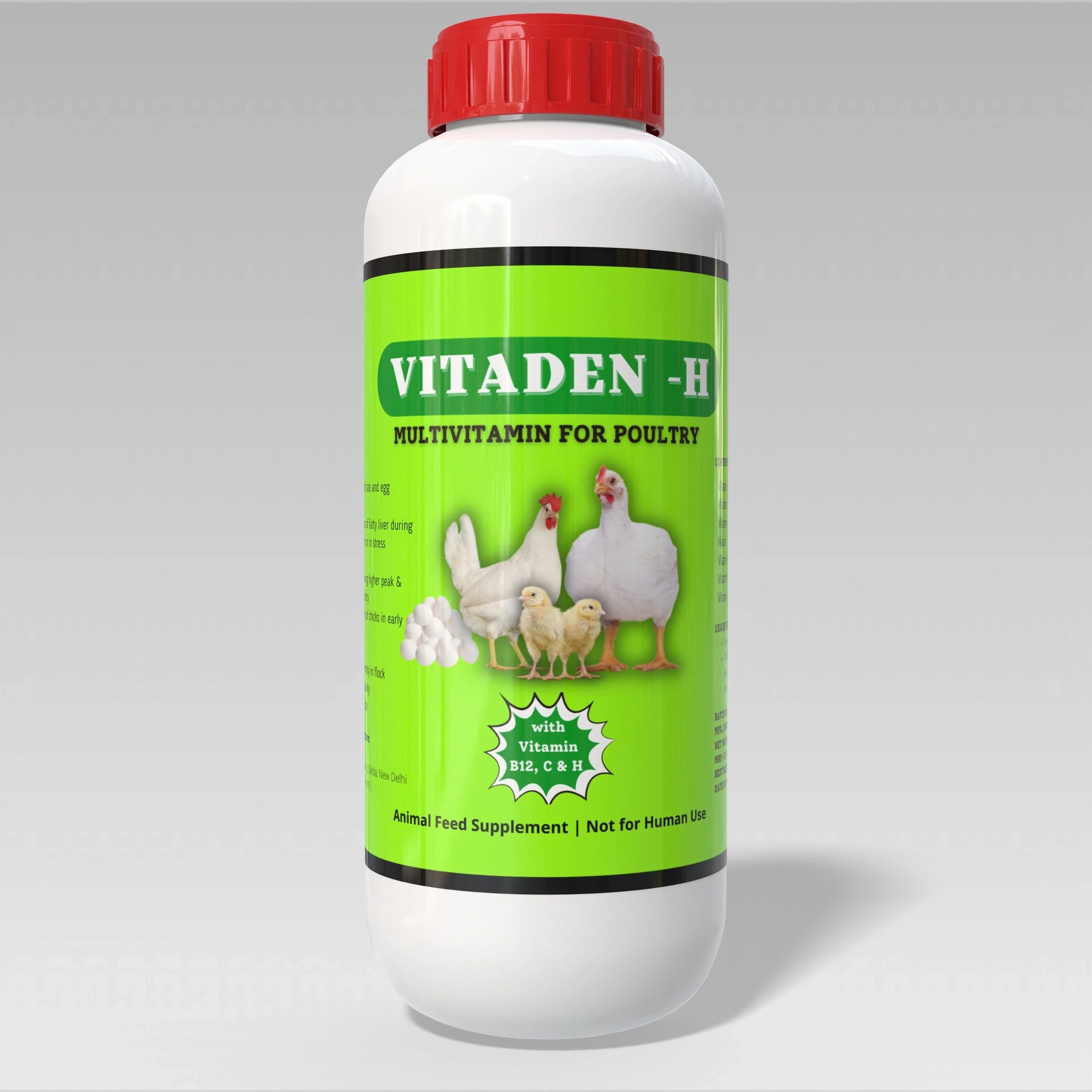
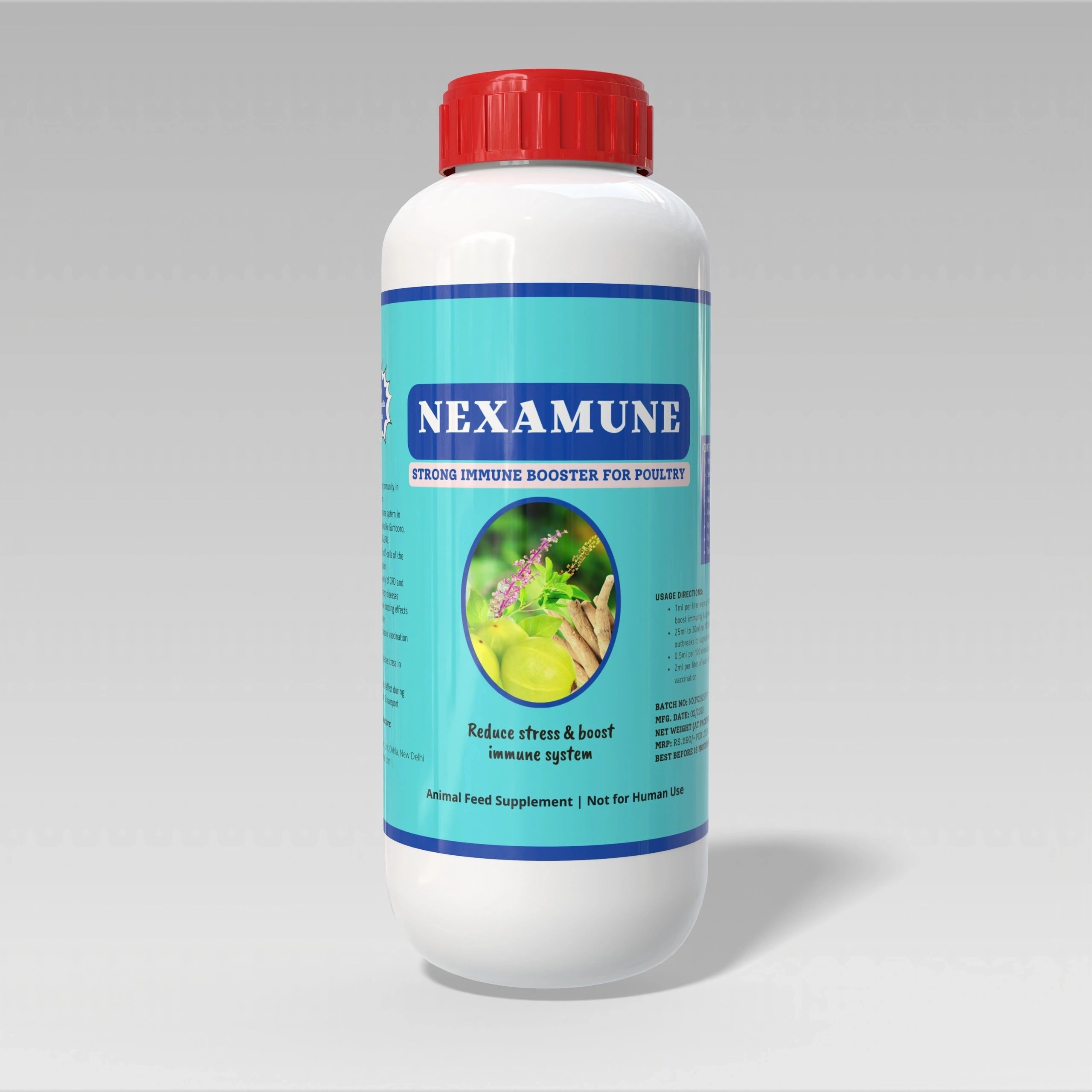
Vitamin supplements (A, D3, E, Biotin, Selenium) VitADEN & Nexamune to boost immunity.
Improved nutrition and flock management.
Prevention of Favus in Poultry
Since favus spreads gradually but persists, prevention is the best strategy:
Segregate infected birds immediately.
Disinfect poultry houses with iodine, phenolic disinfectants, or lime.
Maintain dry litter and proper ventilation.
Avoid introducing new birds with visible lesions.
Use gloves and protective clothing when handling infected poultry.
Zoonotic Importance: Favus in Humans
Favus can infect humans, producing ringworm-like skin lesions on hands, arms, and scalp.
Farmers, vets, and poultry handlers are at highest risk.
Gloves, handwashing, and protective clothing are essential when dealing with affected flocks.
FAQs About Favus in Poultry
1. What causes favus in poultry?
Favus is caused by Microsporum gallinae, a dermatophytic fungus affecting skin and feathers.
2. Can favus spread to humans?
Yes. Favus is zoonotic and can cause ringworm lesions in humans handling infected chickens.
3. How do you treat favus in chickens?
Topical antifungals such as miconazole ointment, iodine, or copper sulphate are commonly used. Severe cases may need systemic antifungals under veterinary care.
4. How can I prevent favus in my flock?
Maintain good sanitation, avoid overcrowding, segregate infected birds, and disinfect poultry houses regularly.
5. Is favus common in commercial poultry farms?
No. It is more common in backyard and small flocks due to poor biosecurity and hygiene.
Conclusion
Favus (dermatophytosis/white comb disease) in poultry is a slow-spreading fungal infection caused mainly by Microsporum gallinae. It produces white, scaly, crusty lesions on combs and wattles, and while birds usually stay healthy, the infection can spread through a flock and to humans.
Topical antifungals (miconazole, iodine, copper sulphate) are effective treatments.
Prevention through sanitation, segregation, and biosecurity remains the best approach.
Farmers must take precautions to avoid zoonotic transmission.
By recognizing favus early and implementing control measures, poultry keepers can protect both their flocks and themselves.
Problem in your flock? Send photos of the birds and droppings on WhatsApp for a first opinion from Dr. Ibne Ali.
लेखक डॉ. इब्ने अली, IMN Pyrophosअपडेट: अक्टूबर 20265 मिनट में पढ़ें
🐓 मुर्गियों में Favus (White Comb Disease): कारण, लक्षण, इलाज और बचाव
मुर्गियों में Favus (White Comb Disease) – कारण, लक्षण, इलाज और बचाव।
मुर्गियों में Favus (Dermatophytosis)
मुर्गियों में favus (dermatophytosis/white comb disease) के बारे में सब कुछ जानिए। इसके कारण, लक्षण, जाँच, इलाज, बचाव और इंसानों को होने वाले zoonotic खतरे के बारे में जानकारी लें।
परिचय
मुर्गियों में Favus, जिसे white comb disease, dermatophytosis या dermatomycosis भी कहते हैं, एक fungal त्वचा संक्रमण है जो मुर्गियों, टर्की, बत्तखों और दूसरे पक्षियों को होता है। यह मुख्य रूप से Microsporum gallinae से और कभी-कभी Trichophyton megninii से होता है।
बड़े commercial farms में favus कम ही देखने को मिलता है, लेकिन backyard या छोटे poultry झुंडों में यह काफी आम है। यह बीमारी इसलिए महत्वपूर्ण है क्योंकि इसमें zoonotic क्षमता है, यानी यह इंसानों में फैलकर दाद (ringworm) संक्रमण कर सकती है।
मुर्गियों में Favus क्या है?
Favus पक्षियों की कलगी (comb), गलकंबल (wattles), त्वचा और पंखों की जड़ों (feather follicles) का एक लंबे समय तक चलने वाला (chronic) fungal संक्रमण है। इसमें चॉक जैसे सफेद, पपड़ीदार या खुरंड वाले घाव बनते हैं, जो अक्सर कलगी पर छोटे सफेद धब्बों से शुरू होकर धीरे-धीरे बड़े हो जाते हैं।
हालाँकि पक्षी बाकी तौर पर अक्सर स्वस्थ रहते हैं, लेकिन इलाज न होने पर संक्रमण धीरे-धीरे पूरे झुंड में फैल सकता है और पक्षियों को संभालने वाले इंसानों के लिए खतरा बन सकता है।
मुर्गियों में Favus के कारण
मुख्य रोगाणु: Microsporum gallinae
कभी-कभी: Trichophyton megninii
संक्रमण सिर्फ keratin वाले tissues (त्वचा, पंख) तक सीमित रहता है।
मुर्गियों में Favus कैसे फैलता है
Favus इन तरीकों से फैलता है:
संक्रमित पक्षियों के साथ सीधे संपर्क से।
दूषित मिट्टी, feeders, waterers, उपकरण या कपड़ों के ज़रिए अप्रत्यक्ष संपर्क से।
पक्षियों को संभालने वाले लोग भी एक झुंड से दूसरे झुंड तक spores ले जा सकते हैं।
यह fungus बहुत मज़बूत होता है, इसलिए disinfection न करने पर farm की जगह लंबे समय तक दूषित रह सकती है।
मुर्गियों में Favus के लक्षण
शुरुआती लक्षण
कलगी और गलकंबल पर छोटे सफेद पाउडर जैसे धब्बे।
त्वचा का हल्का पपड़ी बनना।
बढ़ते हुए लक्षण
कलगी, गलकंबल और गर्दन पर मोटी, खुरंड वाली, चॉक जैसी सफेद परतें।
घावों के आसपास पंख झड़ना।
पपड़ी के साथ खुरदुरी या सख्त त्वचा।
ठीक हुई जगहों पर काले निशान।
गंभीर मामले
पंखों की जड़ों (feather follicles) तक फैलना → पंखों का झड़ जाना।
बहुत कम मामलों में पूरे शरीर में fungal संक्रमण।
मुर्गियों में Favus की जाँच
लक्षण देखकर – कलगी/गलकंबल पर सफेद खुरंड वाले घाव।
Microscope से जाँच (KOH prep) – शाखाओं वाले fungal hyphae दिखते हैं।
Histopathology – मोटी हुई epidermis जिसमें fungus बसा होता है।
Sabouraud’s Dextrose Agar (SDA) पर culture – समय के साथ colonies सफेद → हल्की गुलाबी दिखती हैं और पीछे की तरफ लाल रंग होता है।
मुर्गियों में Favus का इलाज
⚠️ ध्यान दें: Poultry के लिए कोई label-approved antifungal दवा नहीं है, इसलिए इलाज पशु चिकित्सक (vet) की देखरेख में ही करना चाहिए।
1. ऊपर से लगाने वाला इलाज (हल्के मामलों में सबसे असरदार)
Miconazole cream (1%) सीधे घावों पर लगाएँ।
घाव साफ करने के लिए Tincture iodine।
संक्रमित त्वचा पर 2–3% Copper sulphate का घोल।
2. शरीर के अंदर से इलाज (गंभीर मामले)
Griseofulvin (10–20 mg/kg body weight) feed में 7–10 दिन तक।
Ketoconazole (10 mg/kg body weight/day) 5–7 दिन तक (vet की सलाह से)।
3. सहायक इलाज (Supportive Therapy)
Immunity बढ़ाने के लिए Vitamin supplements (A, D3, E, Biotin, Selenium) VitADEN और Nexamune।
बेहतर पोषण और झुंड का अच्छा प्रबंधन।
मुर्गियों में Favus से बचाव
Favus धीरे-धीरे फैलता है लेकिन लंबे समय तक बना रहता है, इसलिए बचाव ही सबसे अच्छा तरीका है:
संक्रमित पक्षियों को तुरंत अलग करें।
Iodine, phenolic disinfectants या चूने से poultry house को disinfect करें।
Litter सूखा और ventilation सही रखें।
दिखने वाले घावों वाले नए पक्षियों को झुंड में न लाएँ।
संक्रमित पक्षियों को संभालते समय दस्ताने और सुरक्षा वाले कपड़े पहनें।
Zoonotic महत्व: इंसानों में Favus
Favus इंसानों को भी हो सकता है, जिससे हाथों, बाँहों और सिर की त्वचा पर दाद (ringworm) जैसे घाव हो जाते हैं।
किसान, vets और poultry संभालने वाले लोगों को सबसे ज़्यादा खतरा है।
प्रभावित झुंडों के साथ काम करते समय दस्ताने, हाथ धोना और सुरक्षा वाले कपड़े ज़रूरी हैं।
मुर्गियों में Favus के बारे में अक्सर पूछे जाने वाले सवाल (FAQs)
1. मुर्गियों में favus किस वजह से होता है?
Favus Microsporum gallinae से होता है, जो त्वचा और पंखों को प्रभावित करने वाला एक dermatophyte fungus है।
2. क्या favus इंसानों में फैल सकता है?
हाँ। Favus zoonotic है और संक्रमित मुर्गियों को संभालने वाले इंसानों में दाद (ringworm) के घाव कर सकता है।
3. मुर्गियों में favus का इलाज कैसे करें?
आम तौर पर ऊपर से लगाने वाली antifungal दवाएँ जैसे miconazole मलहम, iodine या copper sulphate इस्तेमाल होती हैं। गंभीर मामलों में vet की देखरेख में अंदर से दी जाने वाली antifungal दवाओं की ज़रूरत पड़ सकती है।
4. मैं अपने झुंड को favus से कैसे बचाऊँ?
अच्छी साफ-सफाई रखें, ज़्यादा भीड़ (overcrowding) से बचें, संक्रमित पक्षियों को अलग करें और poultry house को नियमित रूप से disinfect करें।
5. क्या favus commercial poultry farms में आम है?
नहीं। कमज़ोर biosecurity और साफ-सफाई की कमी के कारण यह backyard और छोटे झुंडों में ज़्यादा आम है।
निष्कर्ष
मुर्गियों में Favus (dermatophytosis/white comb disease) धीरे-धीरे फैलने वाला fungal संक्रमण है, जो मुख्य रूप से Microsporum gallinae से होता है। इसमें कलगी और गलकंबल पर सफेद, पपड़ीदार, खुरंड वाले घाव बनते हैं, और हालाँकि पक्षी आम तौर पर स्वस्थ रहते हैं, संक्रमण पूरे झुंड में और इंसानों तक फैल सकता है।
ऊपर से लगाने वाली antifungal दवाएँ (miconazole, iodine, copper sulphate) असरदार इलाज हैं।
साफ-सफाई, बीमार पक्षियों को अलग रखने और biosecurity से बचाव ही सबसे अच्छा तरीका है।
किसानों को zoonotic संक्रमण से बचने के लिए सावधानी रखनी चाहिए।
Favus को जल्दी पहचानकर और नियंत्रण के उपाय अपनाकर, poultry पालक अपने झुंड और खुद, दोनों को सुरक्षित रख सकते हैं।
फ़ार्म में कोई दिक्कत? पक्षियों और बीट की फ़ोटो WhatsApp पर भेजिए, डॉ. इब्ने अली से पहली राय लीजिए।
Murgiyon me favus (dermatophytosis/white comb disease) ke baare me sab kuch jaaniye. Iske karan, lakshan, diagnosis, ilaaj, bachav aur insaanon ko hone wale zoonotic risk ke baare me jaankari lein.
Introduction
Murgiyon me Favus, jise white comb disease, dermatophytosis ya dermatomycosis bhi kehte hain, ek fungal skin infection hai jo murgiyon, turkey, batakh aur doosre pakshiyon ko hota hai. Ye mainly Microsporum gallinae se aur kabhi-kabhi Trichophyton megninii se hota hai.
Bade commercial farms me favus kam hi dikhta hai, lekin backyard ya chhote poultry flocks me ye kaafi common hai. Ye bimari isliye important hai kyunki isme zoonotic potential hai, matlab ye insaanon me failkar daad (ringworm) infection kar sakti hai.
Murgiyon me Favus kya hai?
Favus pakshiyon ki kalgi (comb), wattles, skin aur pankhon ki jadon (feather follicles) ka ek lamba chalne wala (chronic) fungal infection hai. Isme chalk jaise safed, papdi wale ya khurand wale ghav bante hain, jo aksar kalgi par chhote safed dhabbon se shuru hokar dheere-dheere bade ho jaate hain.
Waise birds baaki tarah se aksar healthy rehte hain, lekin ilaaj na hone par infection dheere-dheere poore flock me fail sakta hai aur birds ko handle karne wale insaanon ke liye risk ban sakta hai.
Favus insaanon ko bhi ho sakta hai, jisse haath, baanh aur sir ki skin par daad (ringworm) jaise ghav ho jaate hain.
Farmers, vets aur poultry handle karne walon ko sabse zyada risk hai.
Affected flock ke saath kaam karte samay gloves, haath dhona aur protective kapde zaroori hain.
Murgiyon me Favus ke baare me FAQs
1. Murgiyon me favus kis wajah se hota hai?
Favus Microsporum gallinae se hota hai, jo skin aur pankhon ko affect karne wala ek dermatophyte fungus hai.
2. Kya favus insaanon me fail sakta hai?
Haan. Favus zoonotic hai aur infected murgiyon ko handle karne wale insaanon me daad (ringworm) ke ghav kar sakta hai.
3. Murgiyon me favus ka ilaaj kaise karein?
Aam taur par upar se lagane wali antifungal dawayein jaise miconazole ointment, iodine ya copper sulphate use hoti hain. Serious cases me vet ki dekhrekh me andar se di jaane wali antifungal dawaon ki zaroorat pad sakti hai.
4. Main apne flock ko favus se kaise bachaun?
Achhi saaf-safai rakhein, overcrowding se bachein, infected birds ko alag karein aur poultry house ko regular disinfect karein.
5. Kya favus commercial poultry farms me common hai?
Nahi. Kamzor biosecurity aur safai ki kami ki wajah se ye backyard aur chhote flocks me zyada common hai.
Conclusion
Murgiyon me Favus (dermatophytosis/white comb disease) dheere-dheere failne wala fungal infection hai jo mainly Microsporum gallinae se hota hai. Isme kalgi aur wattles par safed, papdi wale, khurand wale ghav bante hain, aur waise birds aam taur par healthy rehte hain, lekin infection poore flock me aur insaanon tak fail sakta hai.