Quick colour chart (बीट का रंग)
Tap a colour to jump to its causes.
In this article we will do evaluation of poultry droppings (chicken poop) through color, consistency and its amount in the farm. Observing chicken poop is like checking a bird's health report. It helps find problems in the bird's stomach or intestines early. This is important because it can stop big problems like losing money from fewer eggs or meat and even prevent many birds from dying.
Introduction: Observing chicken droppings is a valuable diagnostic tool for early intervention in bowel and/or cecal diseases in poultry. It allows poultry farmers to limit economic losses associated with production decreases (meat and eggs) and prevent significant mortality.
Types of Droppings: Poultry produce two types of droppings: fecal and cecal.
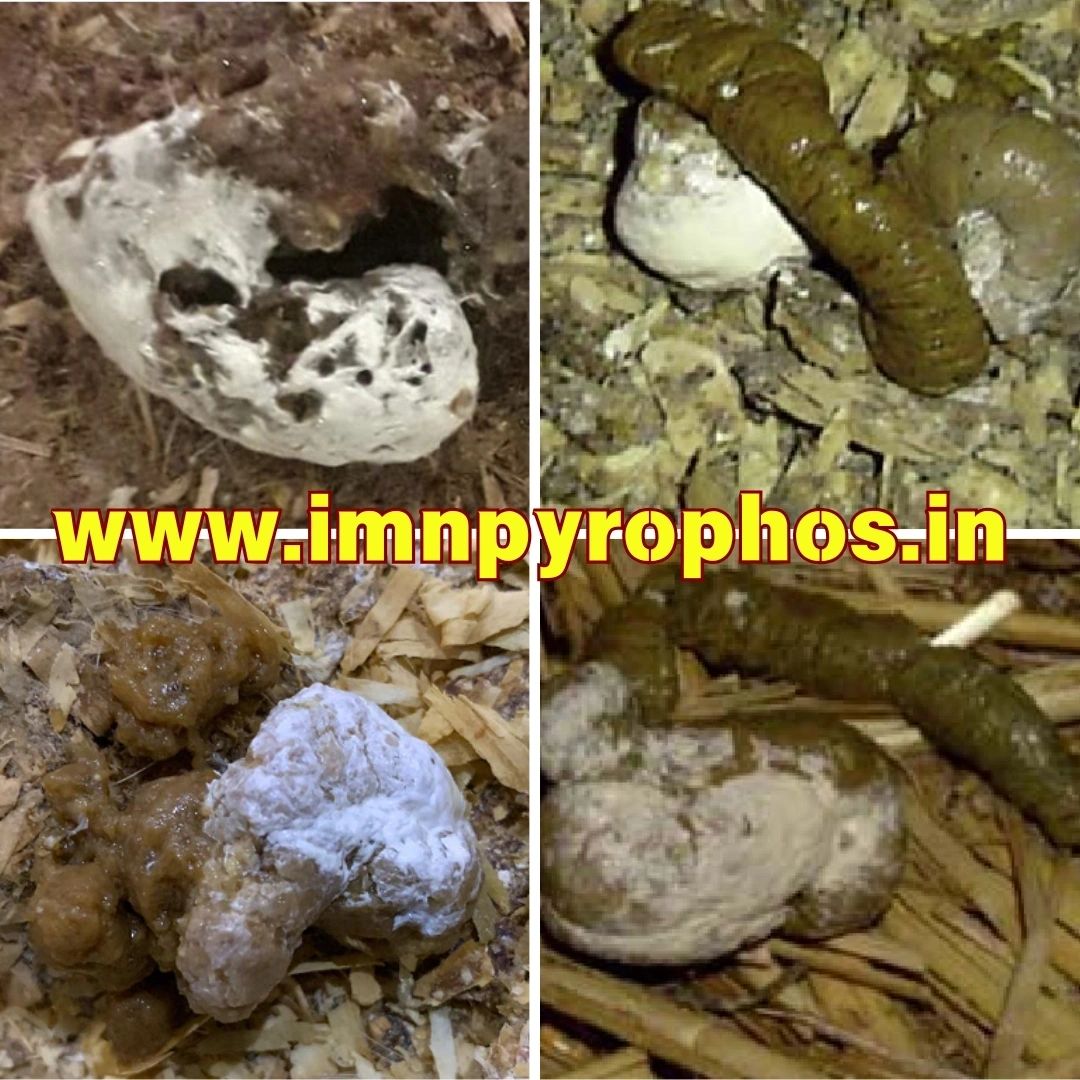
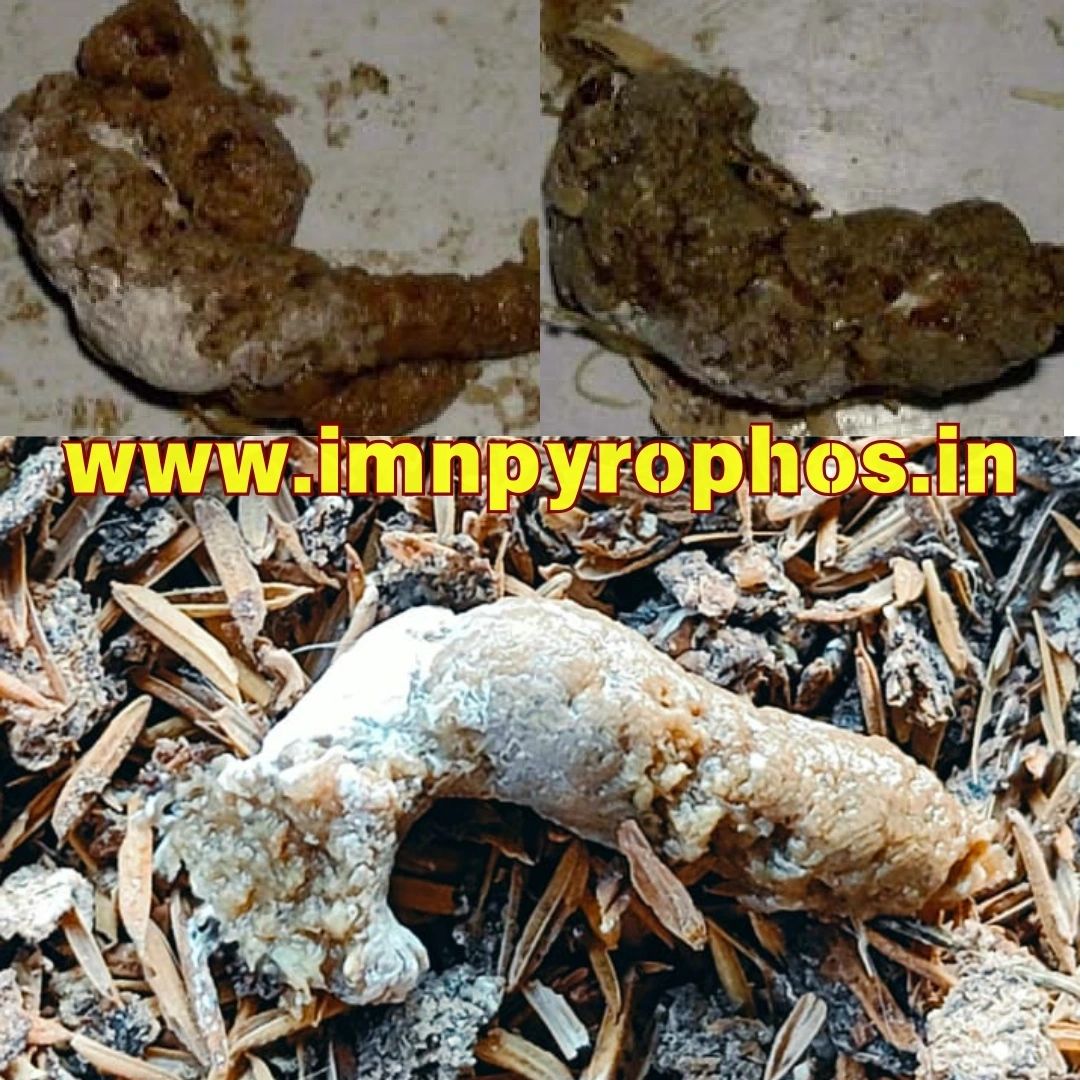
1. Fecal Droppings: Normal fecal droppings are small, molded, with a white urate cap. They often have a down feather attached and show no signs of wetness. They are dry, greenish-brown in color, and lack mucus or undigested grains.
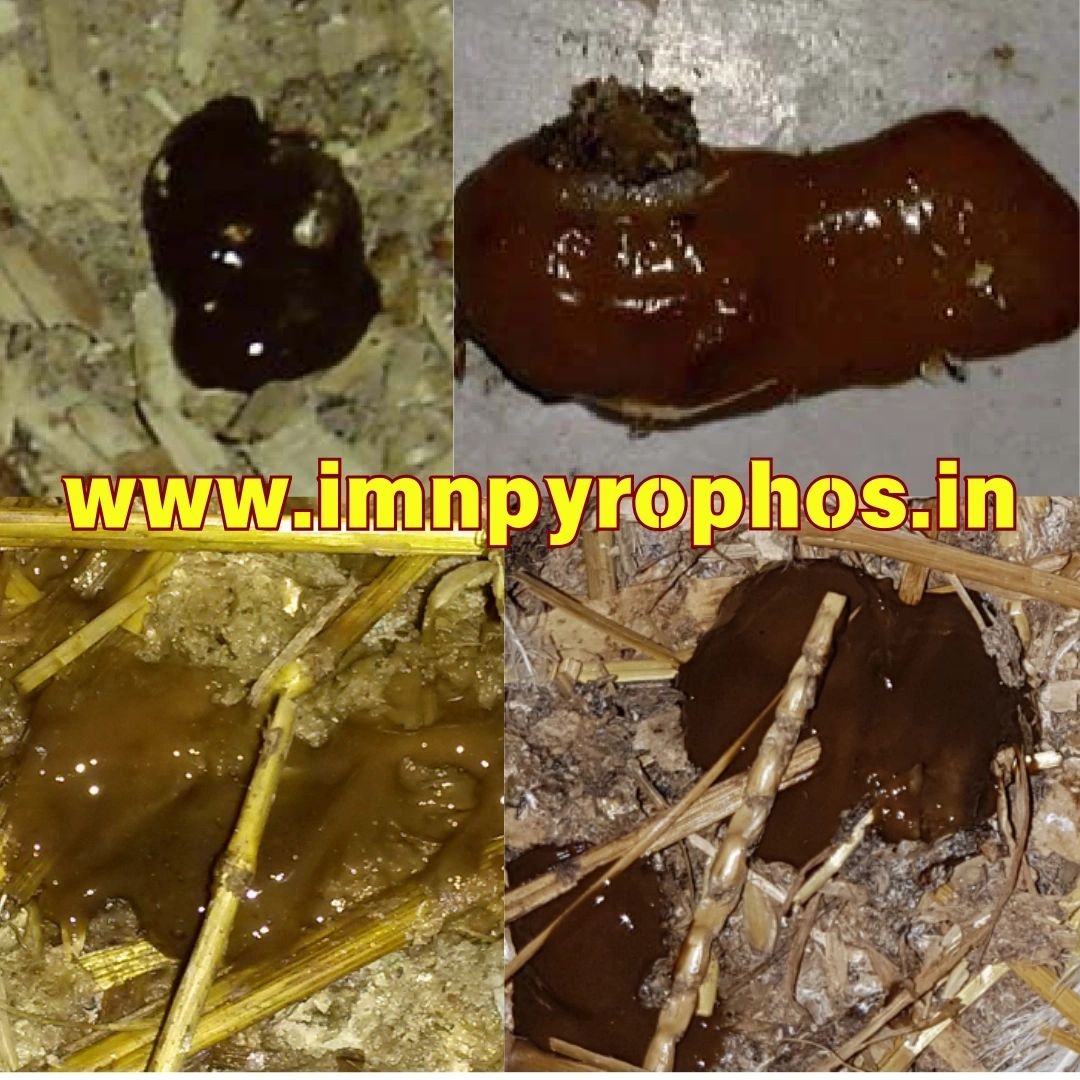
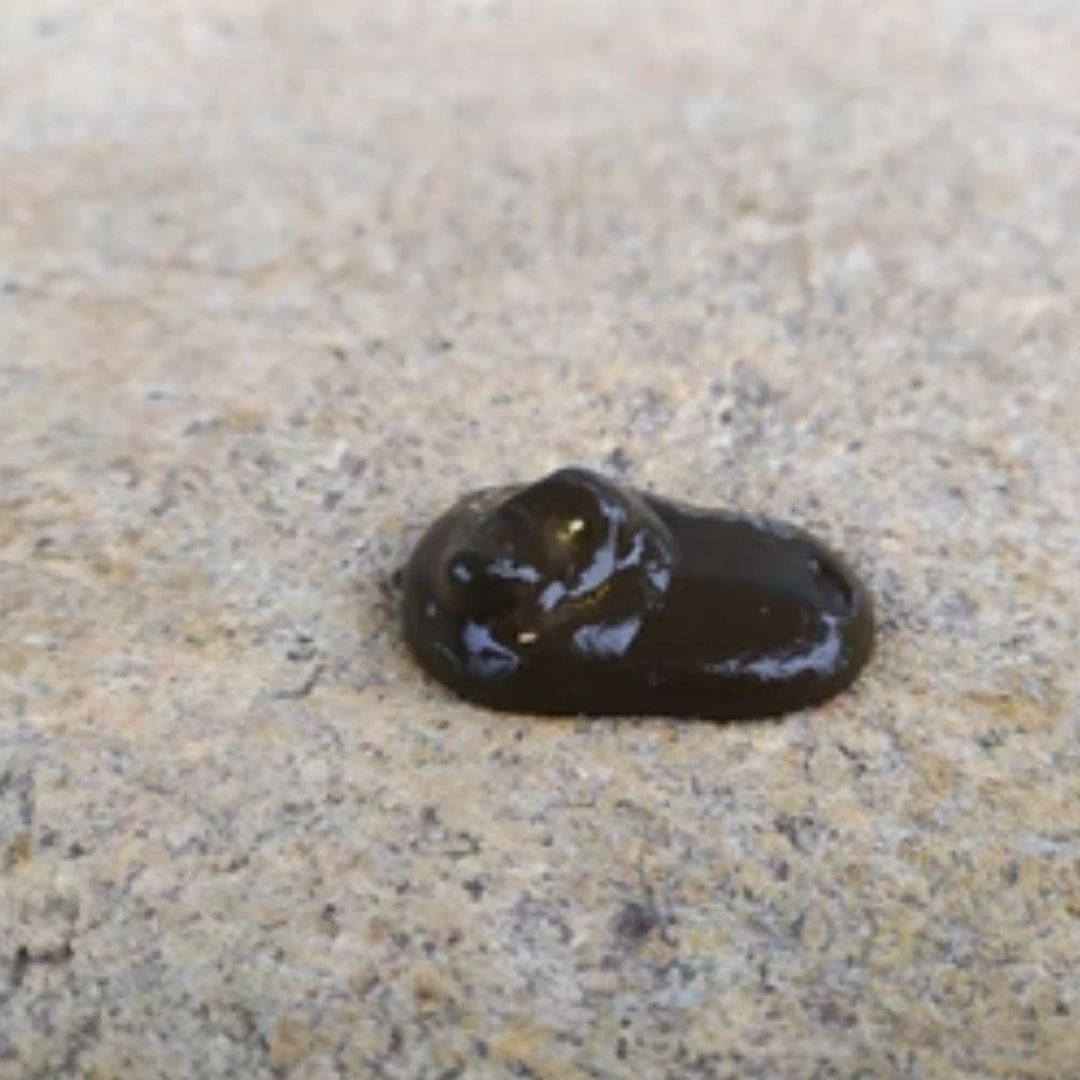
2. Cecal Droppings: Normal cecal droppings vary in color (from dark brown to almost black) and are firm, smooth, viscous, and smelly.
Evaluating Droppings:
When examining droppings, consider the following factors:
Water content: Assess whether the droppings are normal, moderately moist, watery, or very liquid (diarrhea).
Volume: Note any increase in the volume of droppings.
Consistency: Observe any loss of consistency, such as watery or foamy droppings.
Color: Look for color changes, particularly the presence of melena (digested blood) or fresh blood.
Oily appearance: Check for an oily sheen on the droppings.
Presence of undigested feed: Note any undigested feed in the droppings.
Abnormal smell: Detect any unusual odors associated with the droppings.
Location of droppings:
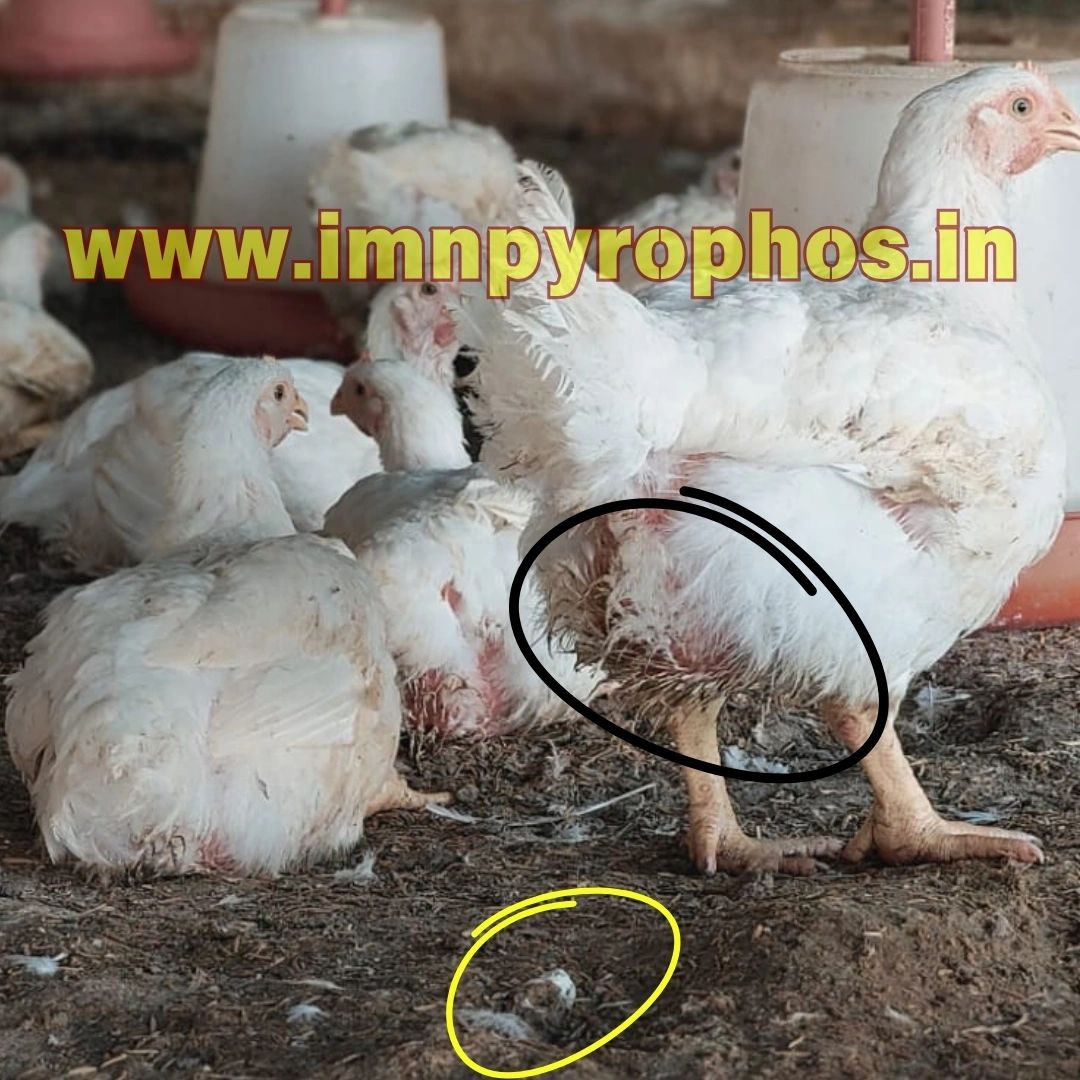
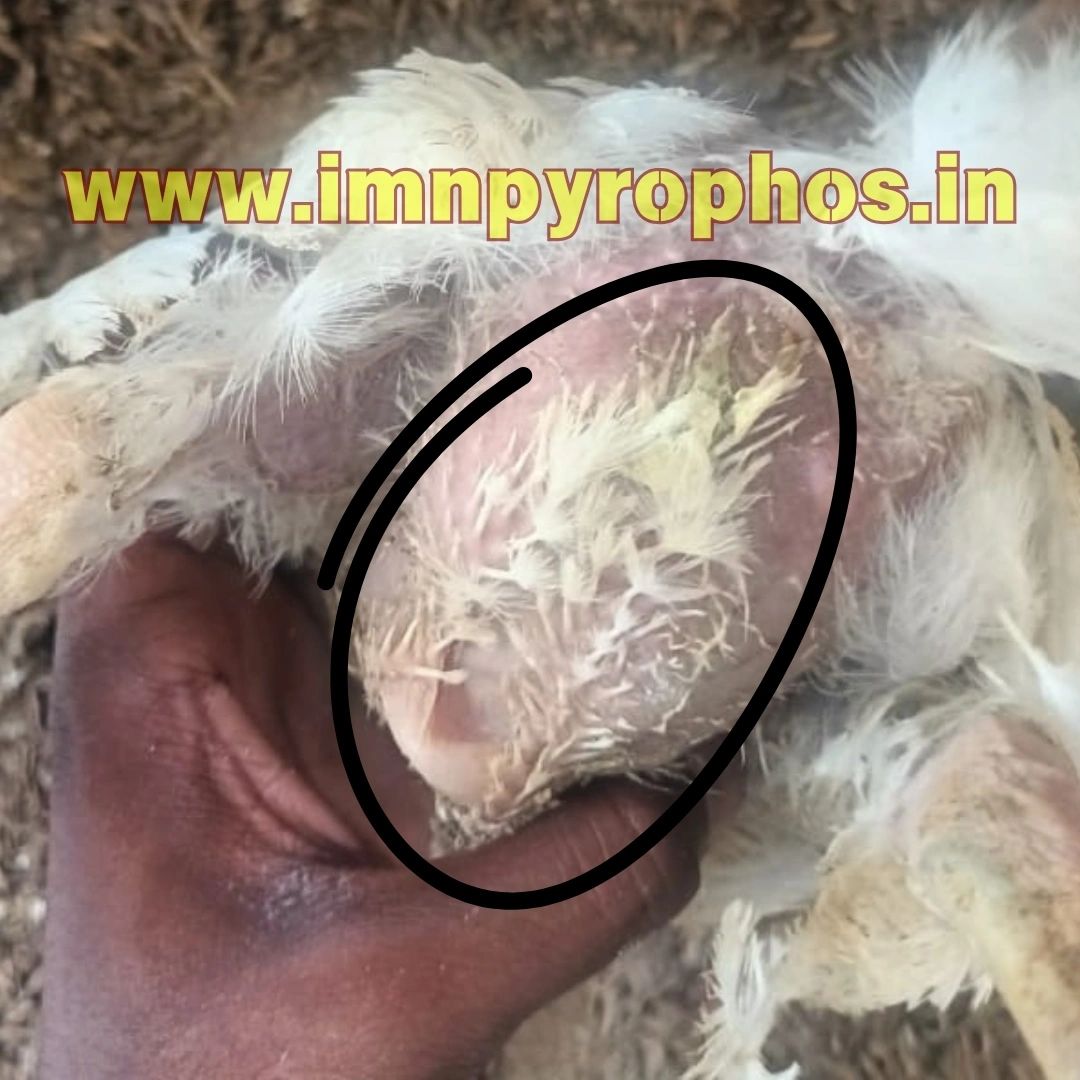
Observe droppings around waterers, as this provides a consistent location for evaluation. Also examine the birds themselves, especially the cloacal area and feathers, for signs of soiling or staining with diarrheal droppings.
Identifying Early Warning Signs
As observant poultry keepers, you need to be able to spot subtle changes in droppings that might indicate an emerging problem.
Fecal Droppings: Look for changes in size, consistency, and moisture content. If the droppings are larger than usual, starting to lose their form, appearing oily, or becoming wetter, it could be the first sign of an intestinal disorder.
Cecal Droppings: Any change in consistency, especially towards a watery, foamy, or discolored appearance, indicates early signs of cecal dysfunction.
Notes on Poultry Droppings Appearance
We try to provide you a detailed guide to interpreting the appearance of poultry droppings as an indicator of gut health. The information can be categorized into four levels of concern: healthy, red flag, bad, and danger.
1. Healthy Poultry Droppings:
Fecal Droppings: Small, well-formed with a white urate cap, greenish-brown color, dry and odorless, may have a down feather attached.
Cecal Droppings: Vary in color (dark brown to almost black), firm, smooth, viscous, and smelly.
Healthy droppings are seen above in picture 1
2. Red Flag Droppings indicate beginning of problem:
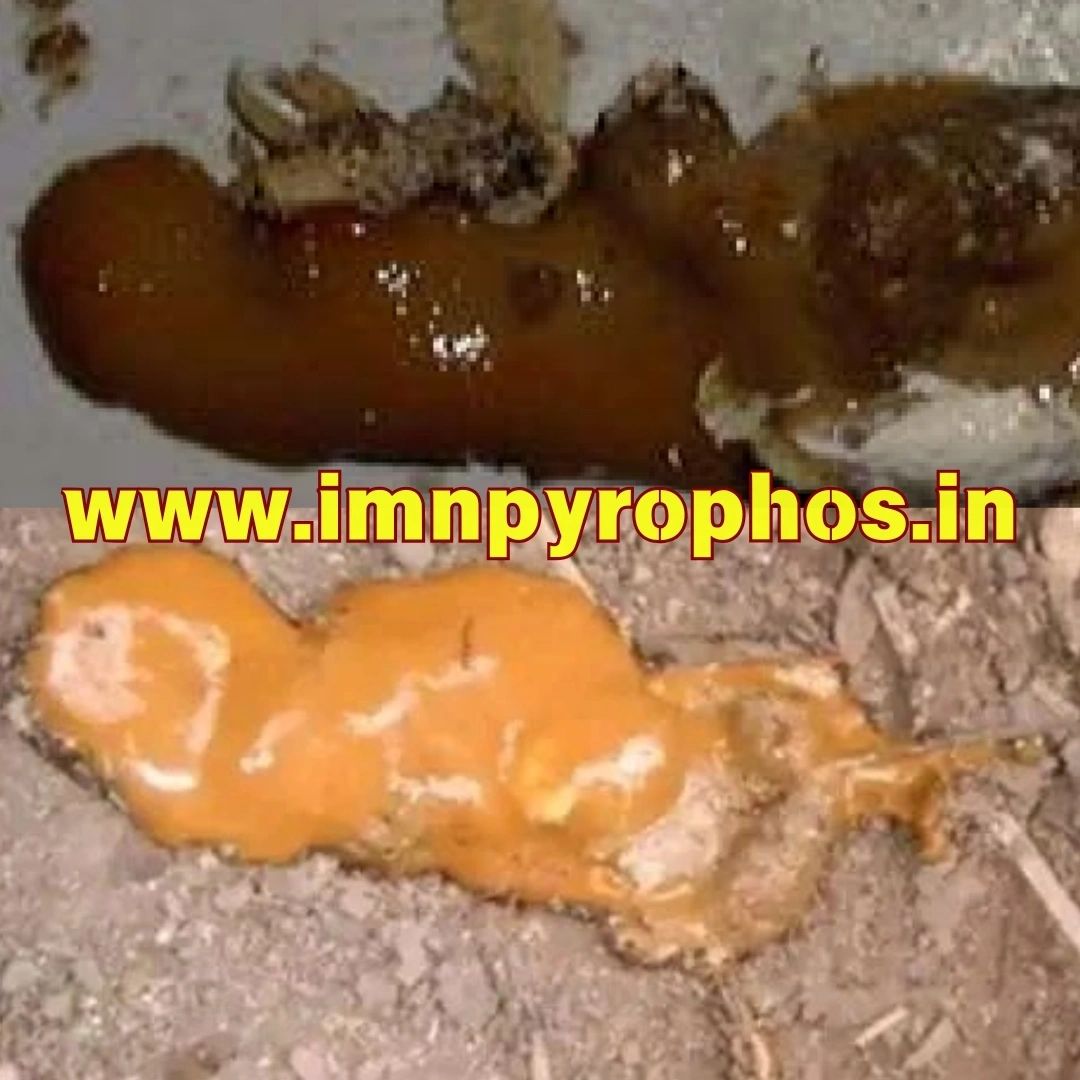
Fecal Droppings: Increased size, beginning to lose structure, oily appearance, increased moisture.
Cecal Droppings: Watery, loss of consistency, foamy, color change, indicating early cecal dysfunction.
3. Bad Droppings Which Require Immediate Intervention to Reduce Losses:
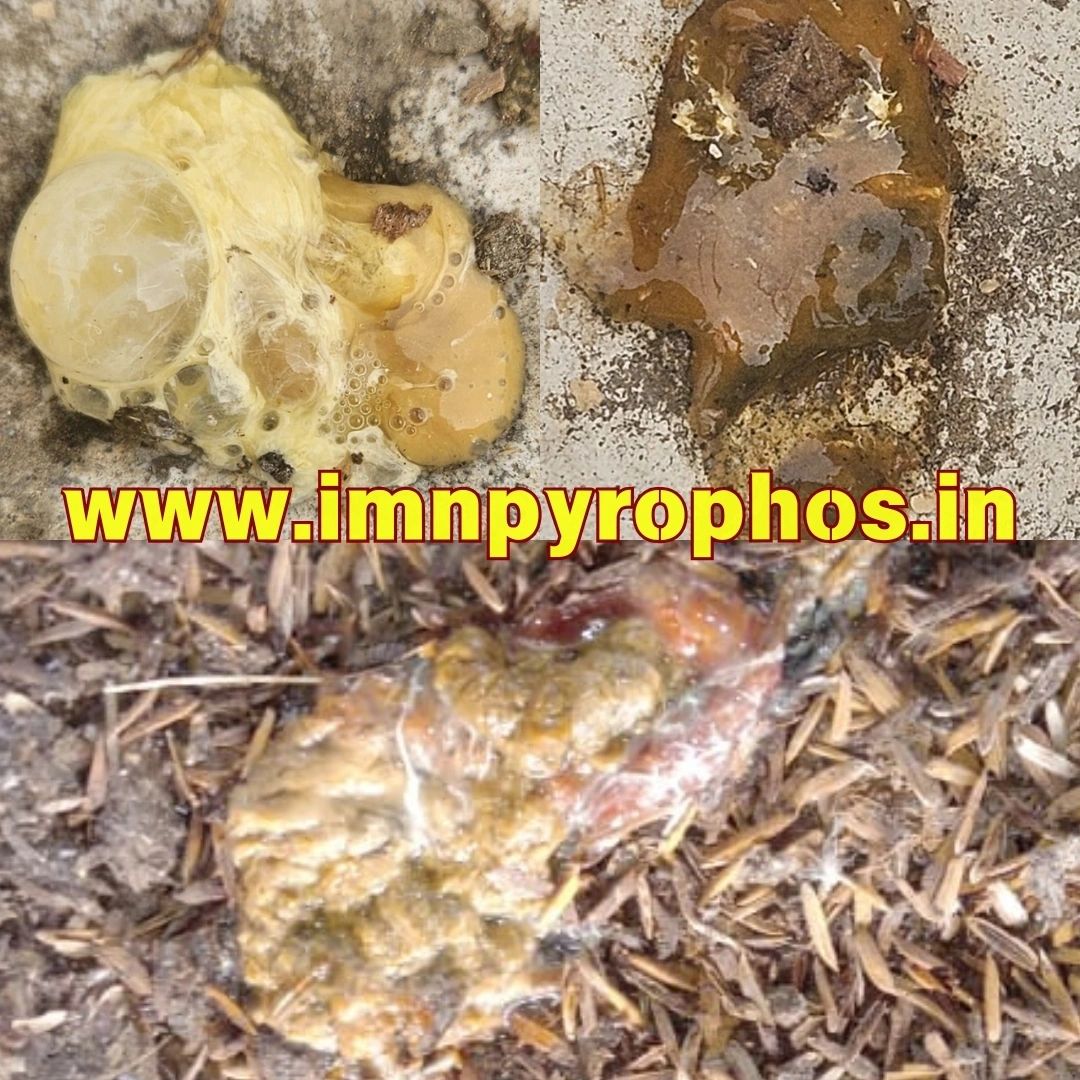
Fecal Droppings: Watery, loss of firmness, undigested feed, may have orange mucus.
Cecal Droppings: Foamy, color change, liquid, no consistency.
4. Danger Droppings are Sure Sign of Very Serious Problem and Accompanied with Mortality:
Fecal Droppings: Watery diarrhea, undigested feed, mucus, necrotic material, and/or blood.
Cecal Droppings: Very foamy (mousse-like), spread out, color change, liquid.
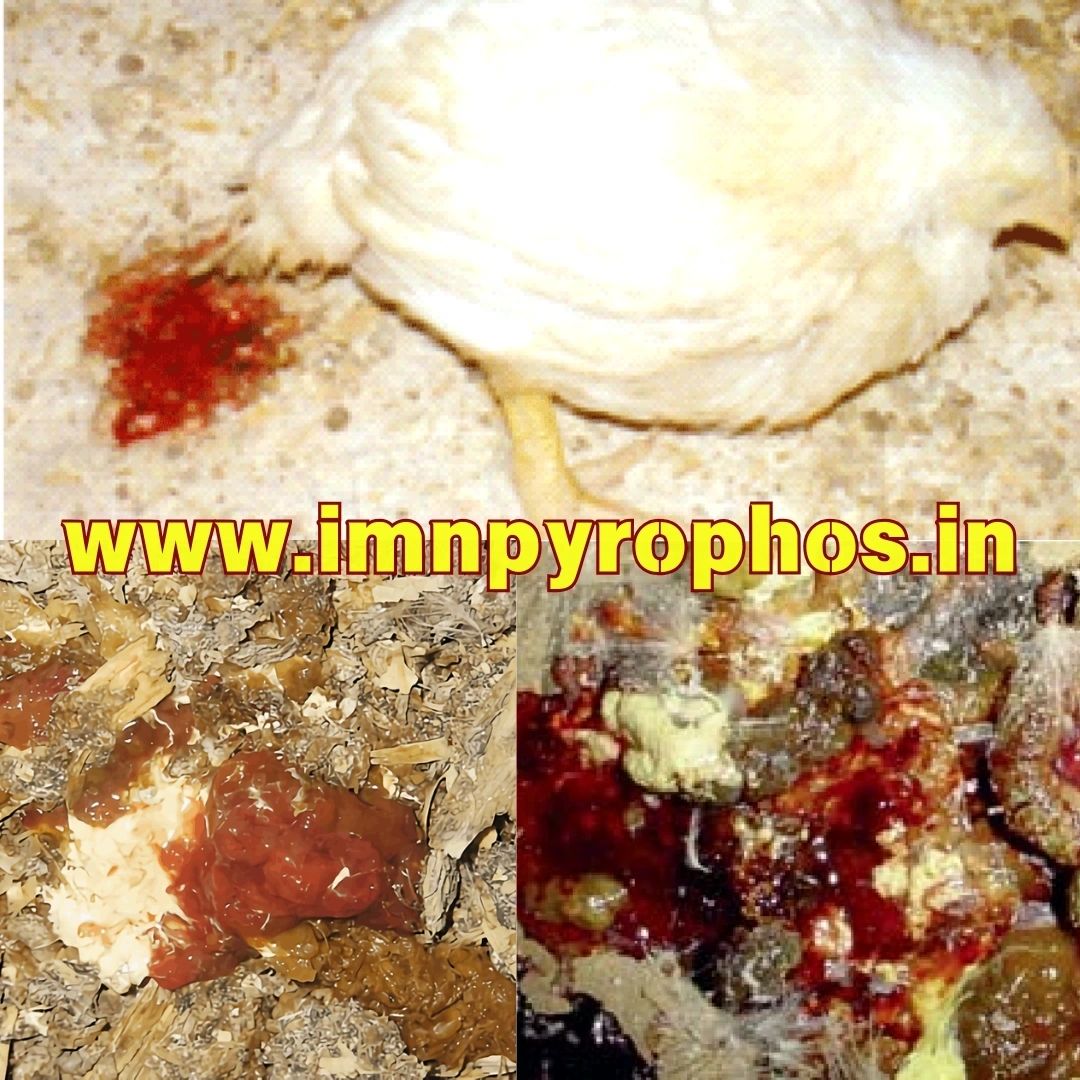
Examples of Conditions Associated with Dropping Appearance
Here we provide some specific examples of diseases and conditions associated with abnormal droppings:
Aviadenovirosis (Inclusion Body Hepatitis): Can cause diarrheic droppings, sometimes with undigested feed.
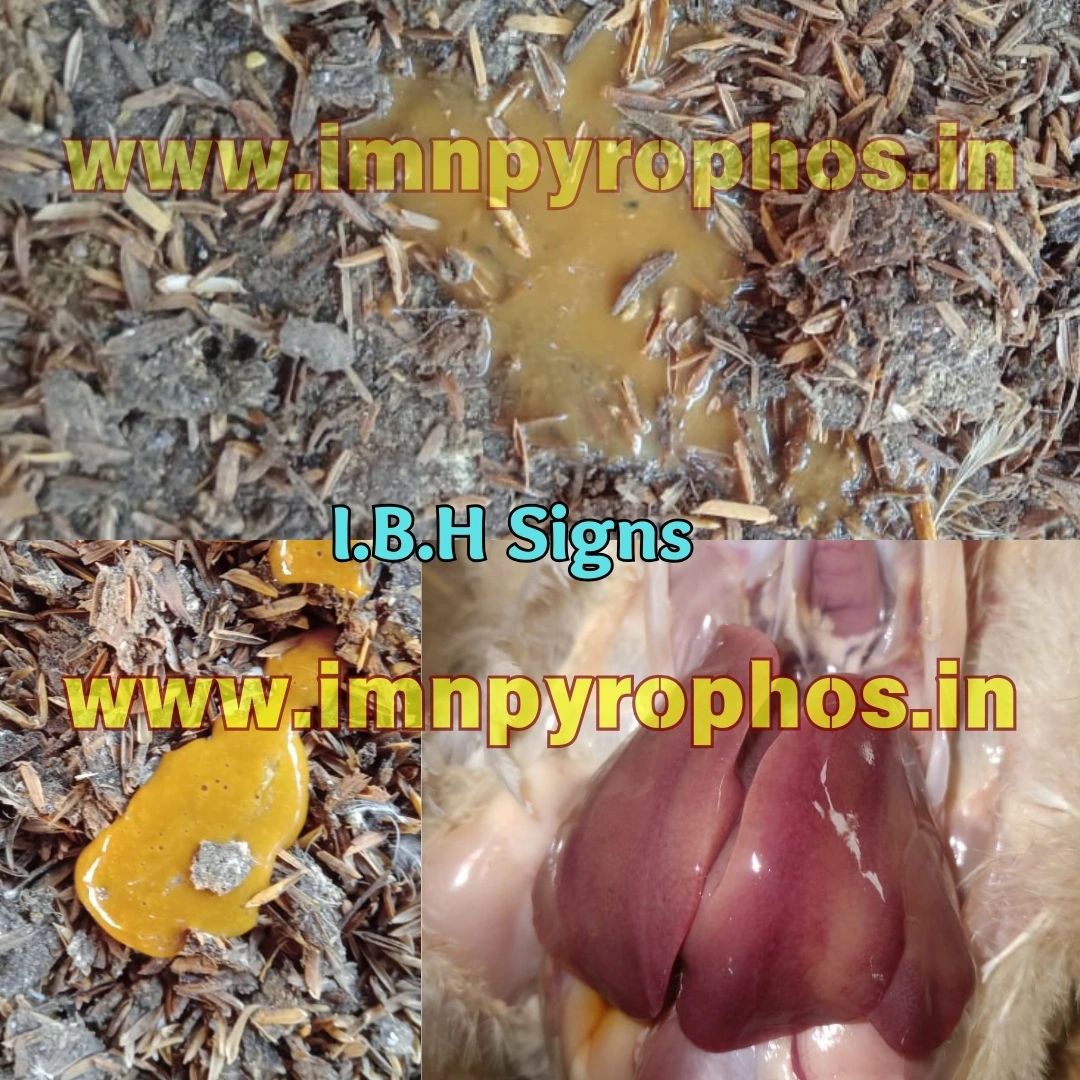
Coccidiosis:
Eimeria acervulina: Can cause diarrhea with orange mucus.
Eimeria maxima: Associated with orange droppings.
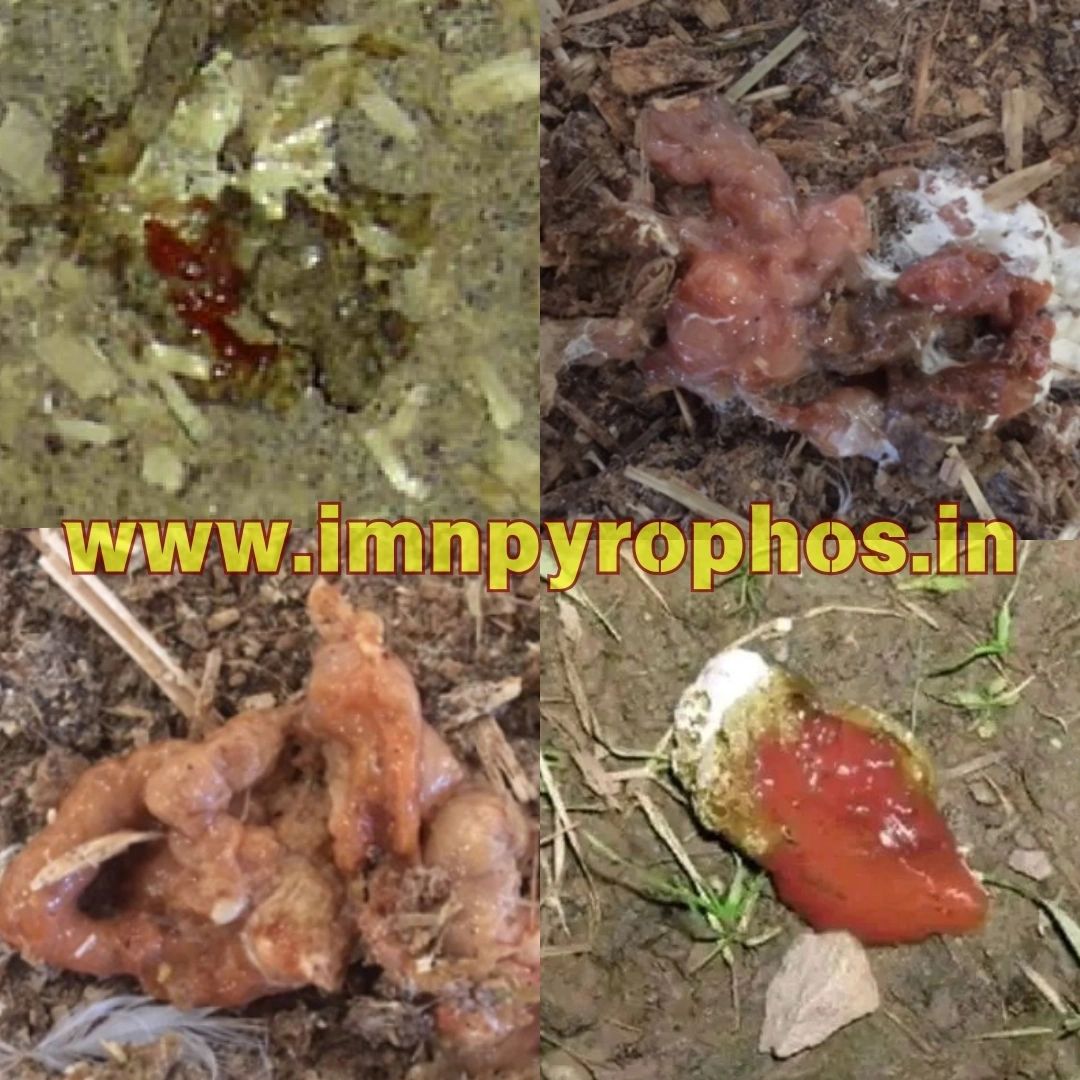
Eimeria tenella: Can cause hemorrhagic cecal droppings.
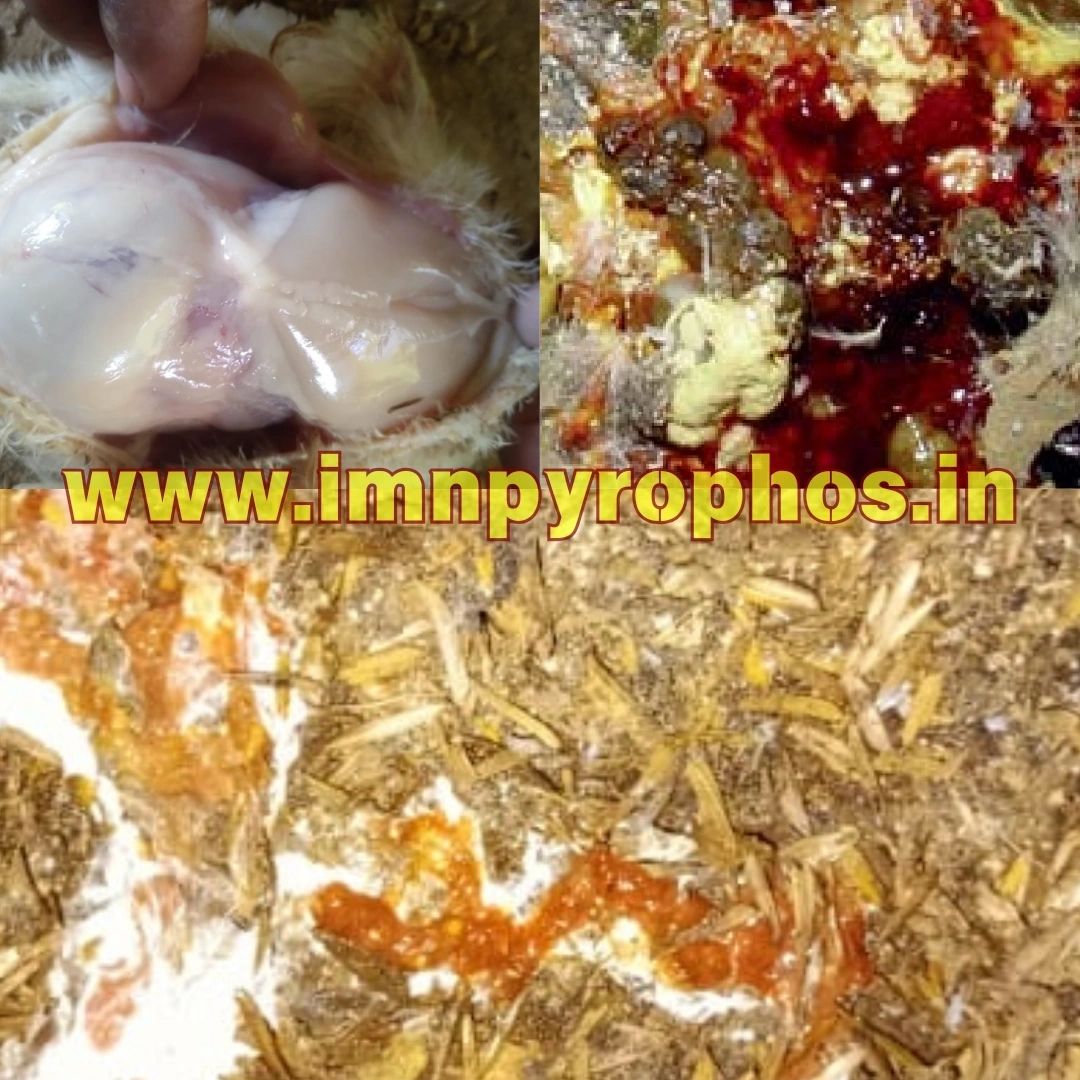
Fumonisins Intoxication: Can cause severe changes in fecal droppings.
Brachyspira spp. infection: Causes very foamy, spread out, discolored, and liquid cecal droppings (as shown in picture 7).
Other Important Observations
The sources emphasize that observing droppings is just one tool for assessing poultry gut health. It's crucial to also consider:
Water Content: The moisture level of droppings can indicate litter quality and potential enteritis issues. Tools like the ELANCOBOX can help assess water content.
ELANCOBOX: The ELANCOBOX is a tool used to assess the water content of droppings and ensure good litter quality (which helps prevent skin diseases and pododermatitis). It involves placing absorbent paper on the litter under a slatted box where birds defecate. This system allows for a good assessment of moisture content. It's essential to consider the flock's water consumption to determine whether watery droppings result from overconsumption (non-pathological) or intestinal damage with impaired reabsorption.
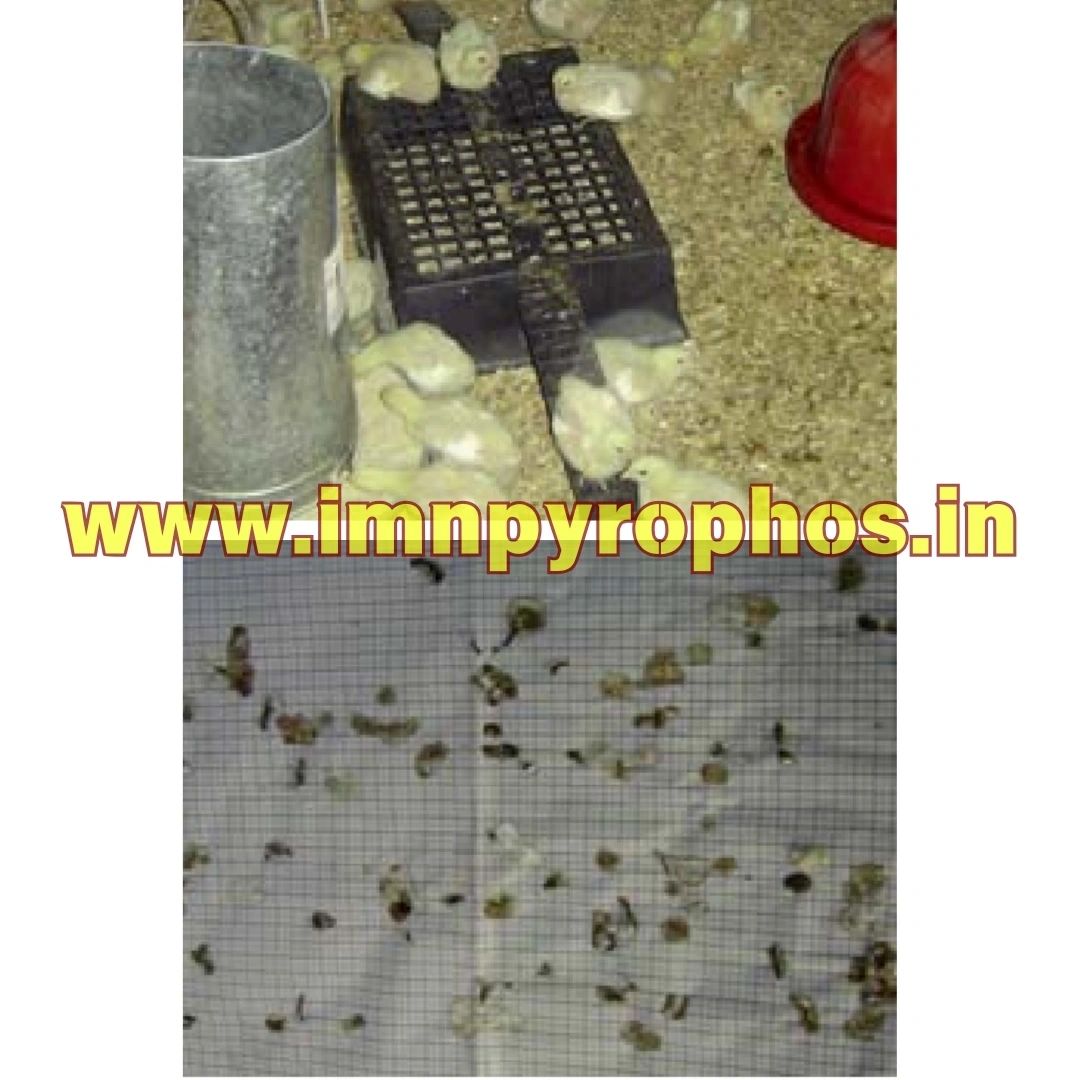
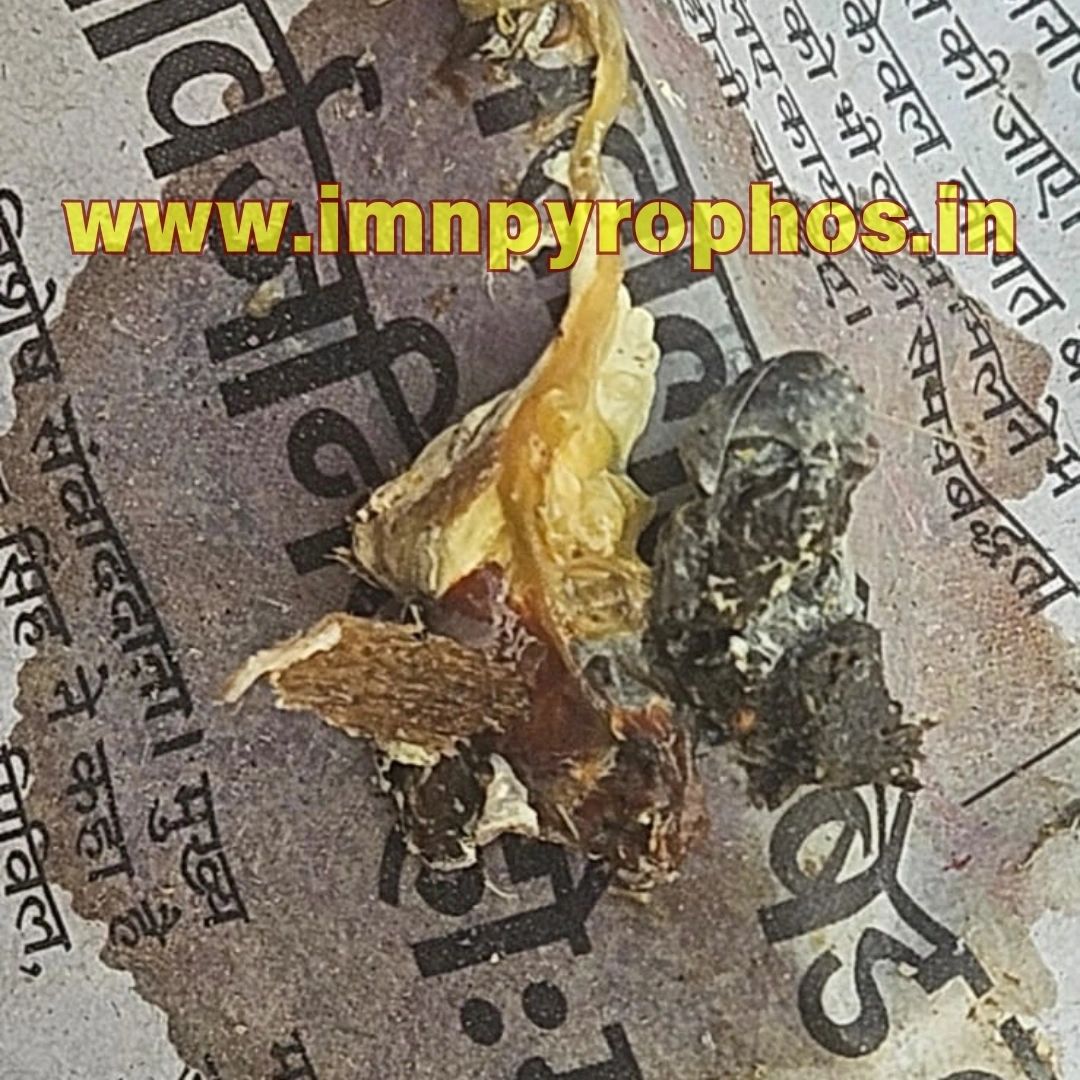
Water Consumption: High water intake can contribute to watery droppings, but it's essential to determine whether it's due to overconsumption or intestinal damage affecting water reabsorption.
Bird Behavior and Appearance: Observations of the birds themselves, particularly around the cloacal area and for soiled feathers, can provide further insights into their health status.
By combining observations of droppings with these other factors, poultry farmers can gain a more comprehensive understanding of their flock's gut health and take appropriate action to prevent and manage diseases.
Gut health · bestseller
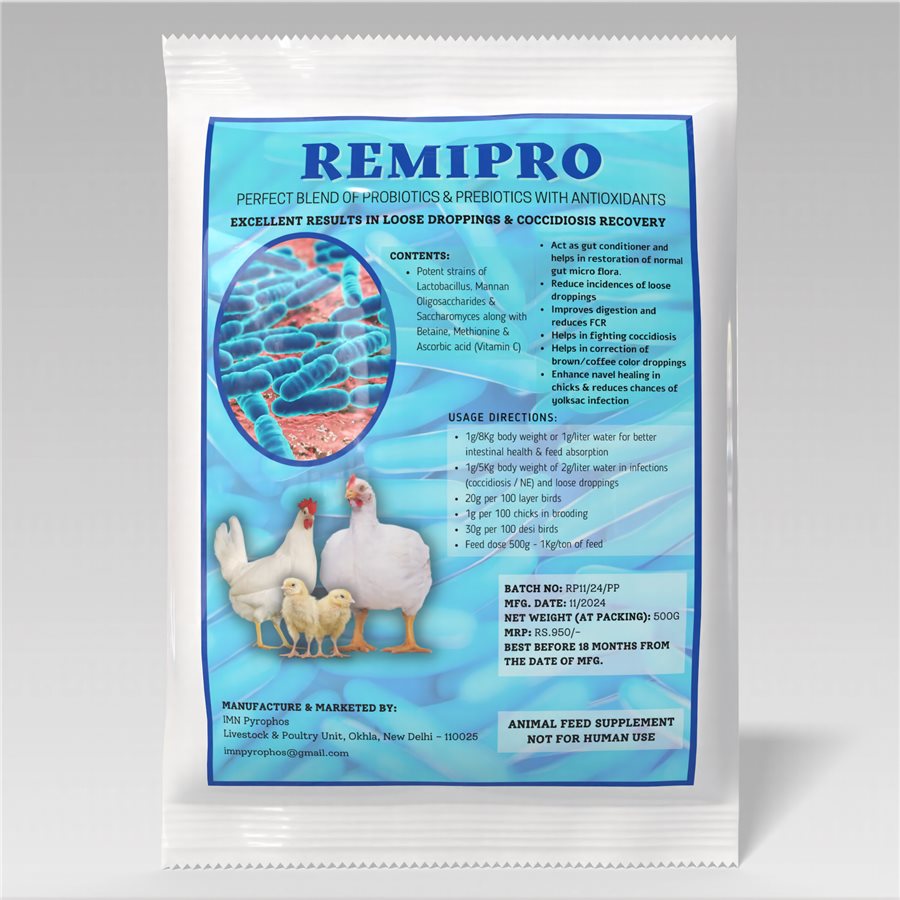
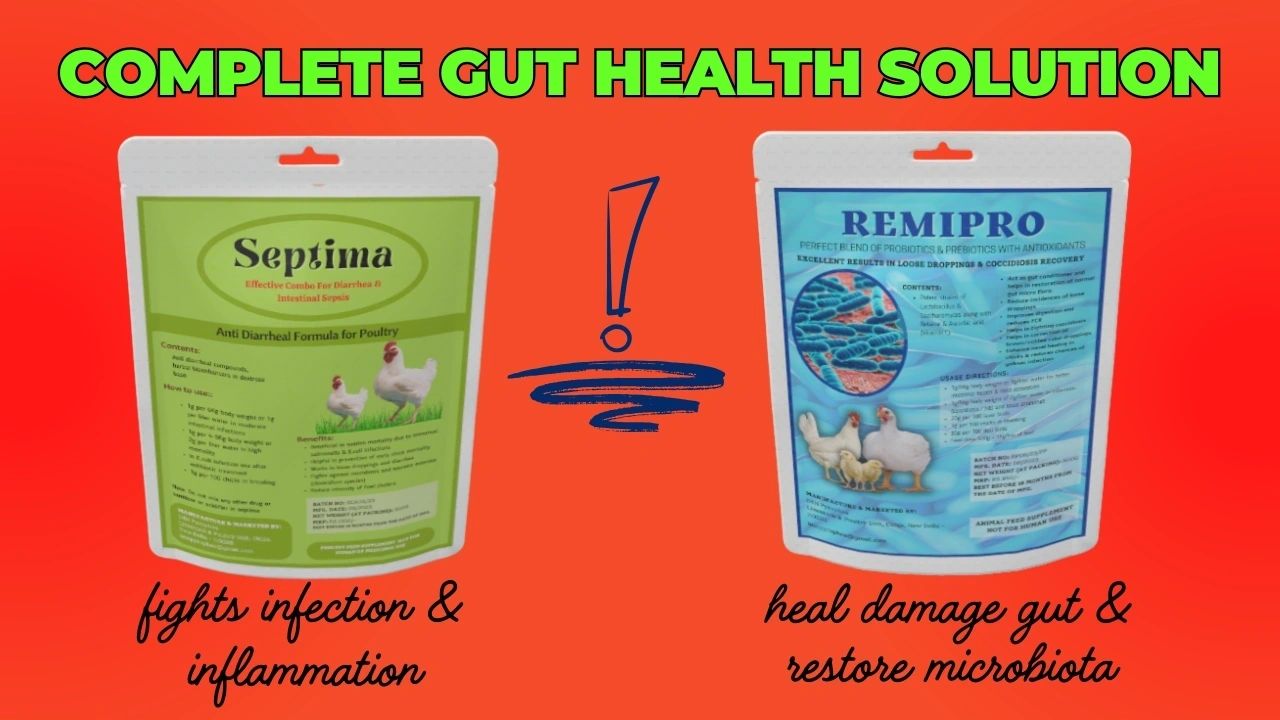
Remipro
Probiotics, prebiotics (MOS) and Saccharomyces with betaine, methionine and vitamin C. Restores normal gut flora, reduces loose droppings, improves digestion and FCR, helps in coccidiosis recovery and corrects brown/coffee coloured droppings.
Dose: 1 g per 8 kg body weight or 1 g per litre of water for routine gut health; 1 g per 5 kg body weight or 2 g per litre during loose droppings and infections; 1 g per 100 chicks in brooding.
500 g ₹626MRP ₹950
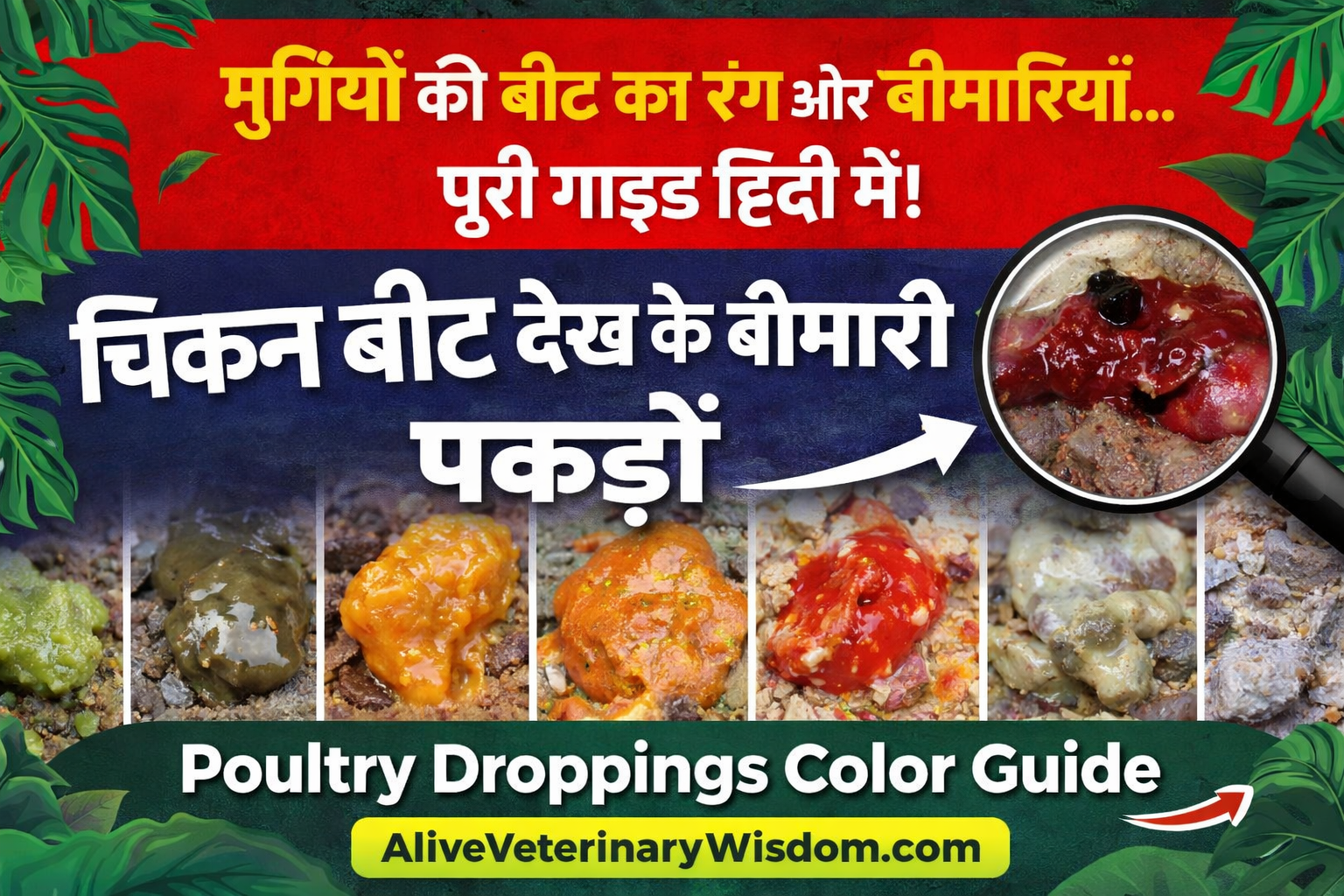
Color Guide: The color of chicken poop (droppings) / diarrhea can provide clues to its underlying cause.
Poultry Dropping / Chicken Poop Color and Related Diseases
Here is a comprehensive guide to interpreting the color of poultry droppings like brown diarrhea in chickens as an indicator of potential health issues. Here's a breakdown of different colors and the associated diseases:
Orange droppings:
Causes:
Sloughing of the intestinal mucosa
Coccidiosis (Eimeria maxima or E. acervulina)
Hypoglycemia
Spiking Mortality Syndrome (HSMS) of broiler chickens
Loss of carotenes and vitamins
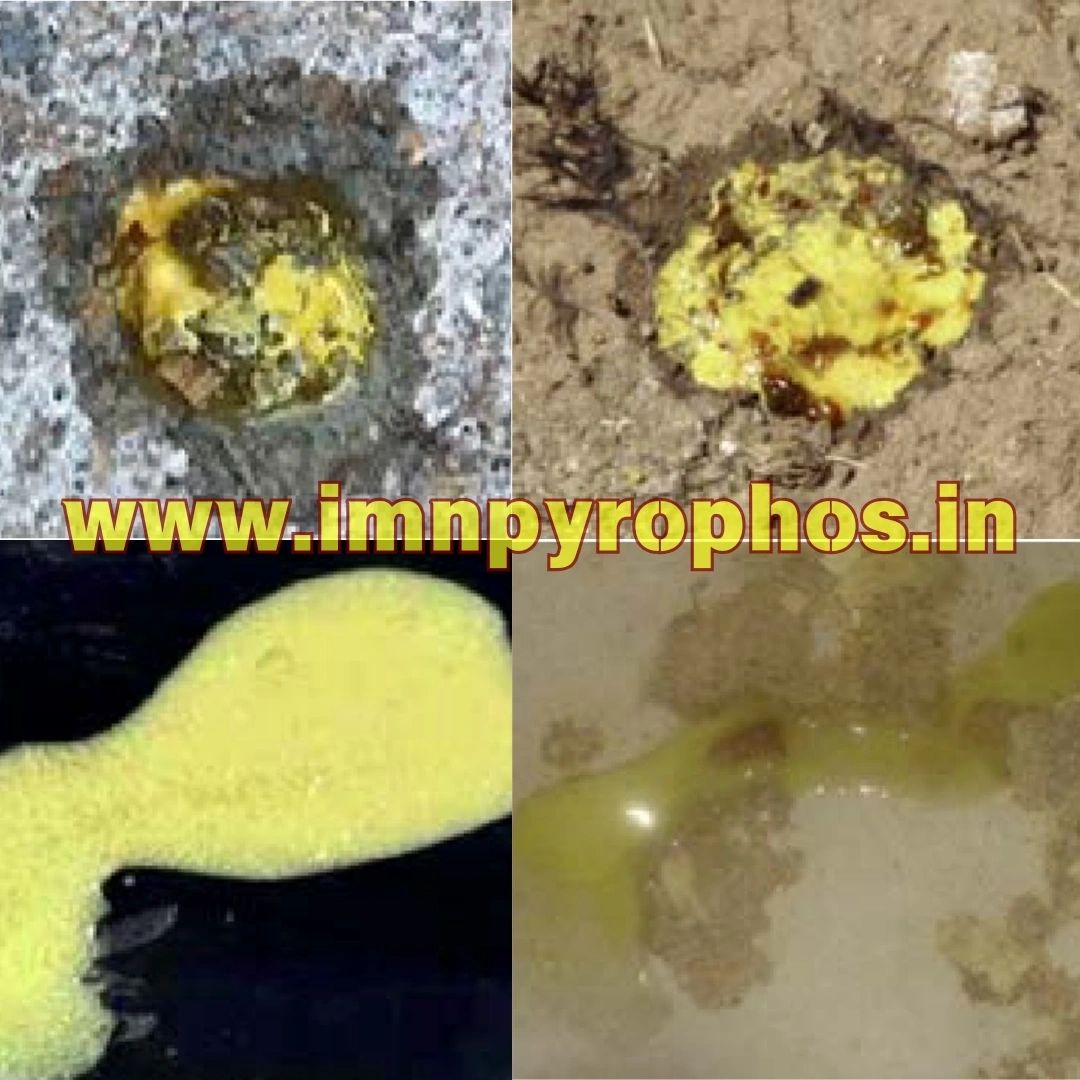
Yellow droppings:
Causes:
Inclusion Body Hepatitis (Aviadenovirosis)
Avian Enterovirus-like virus infection
Histomoniasis (Blackhead)
Poult Enteritis Mortality Syndrome (PEMS)
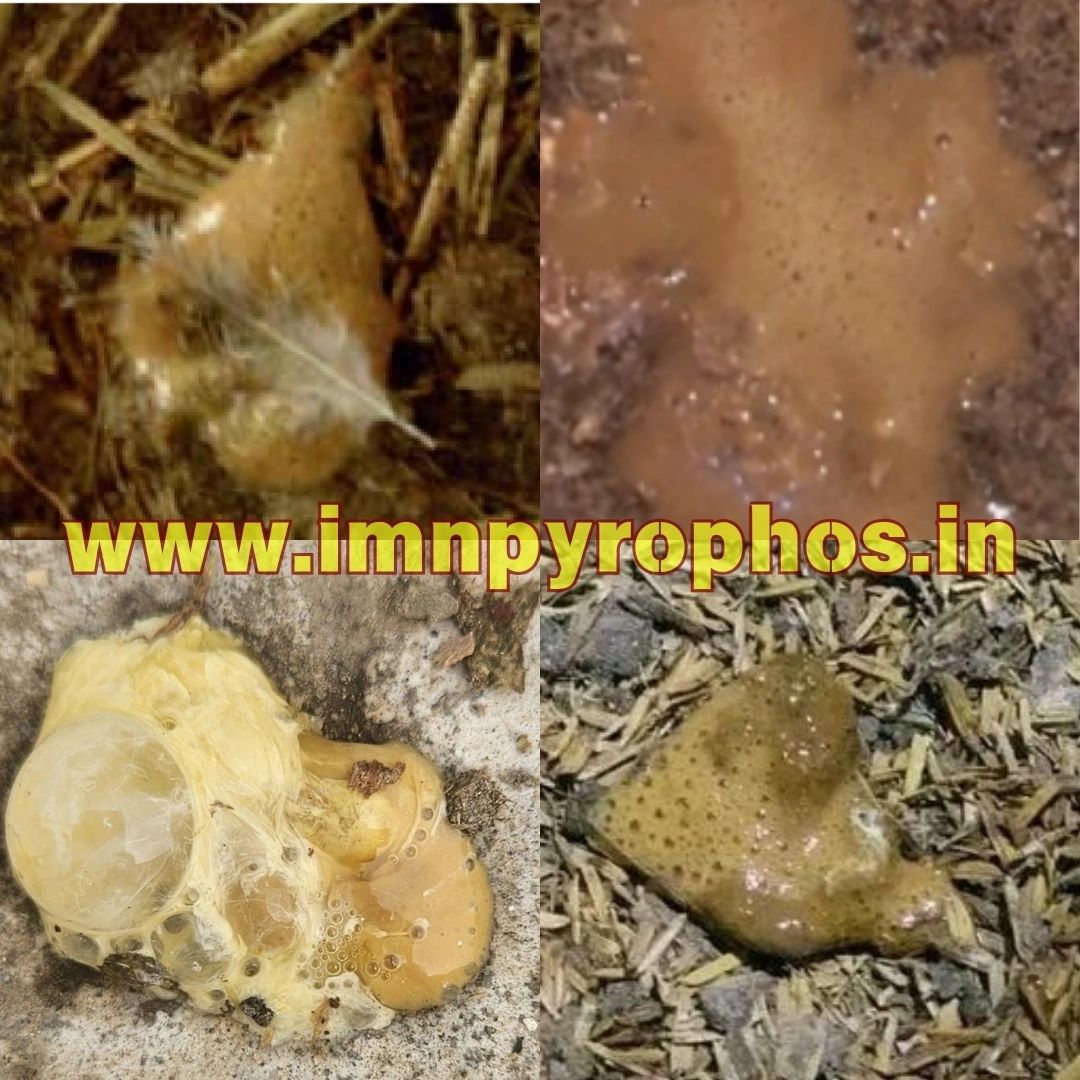
Maldigestion and fermentation in the ceca (can cause foamy yellow droppings)
Caramel droppings:
Causes:
Brachyspira spp. infection
Early stage of Coccidiosis (caramel droppings that later become hemorrhagic if coccidiosis is not treated early)
Other parasitic infestations
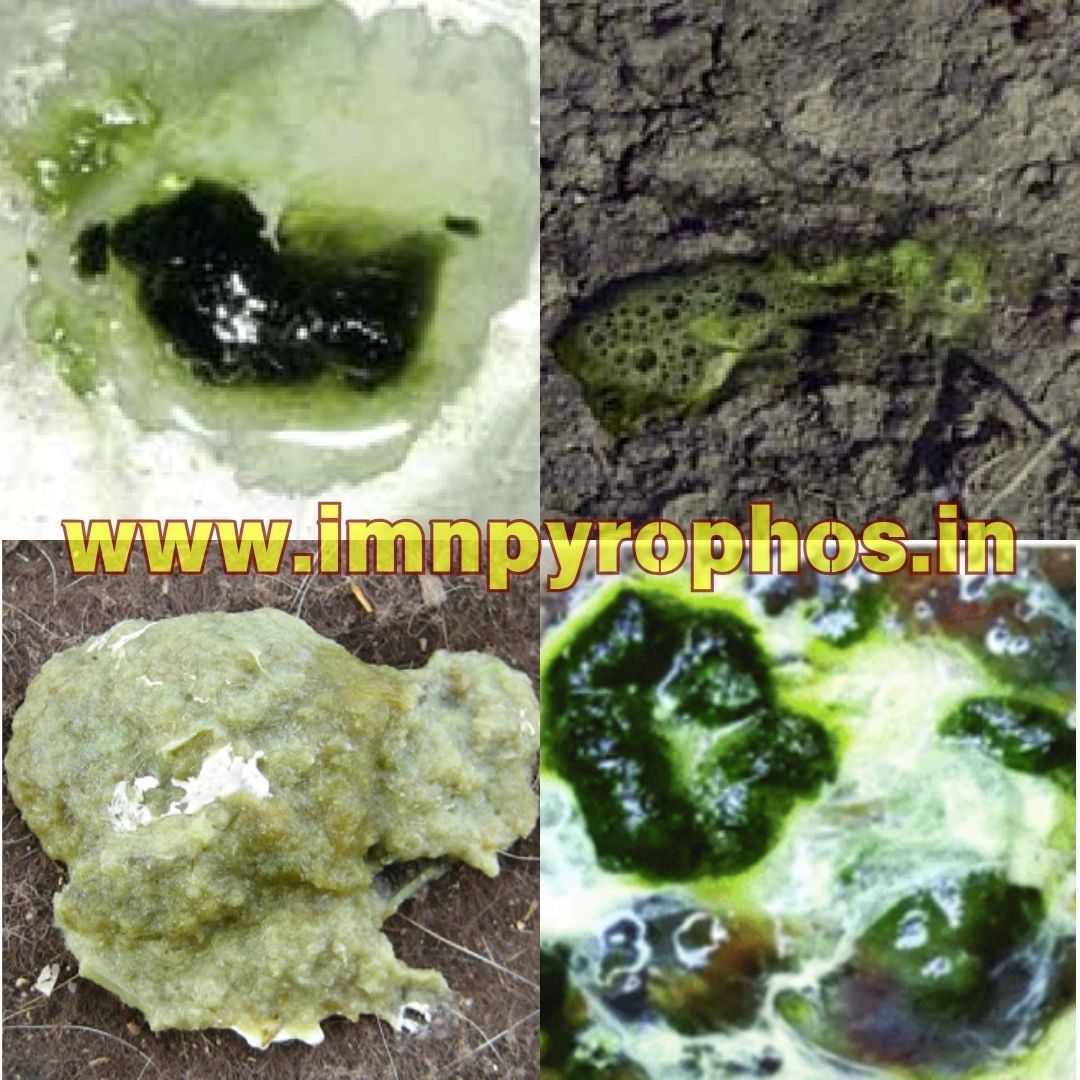
Green droppings (chicken green diarrhea):
Causes:
Fasting
Anorexia (related to disease)
Fat problems in feed (rancidity, quantity, absorption)
Acute septicemic diseases:
Avian Influenza
Newcastle disease
Spirochaetosis
Fowl cholera
Duck Viral Enteritis
Hepatic diseases:
Clostridiosis
Colibacillosis
Loose droppings · bestseller
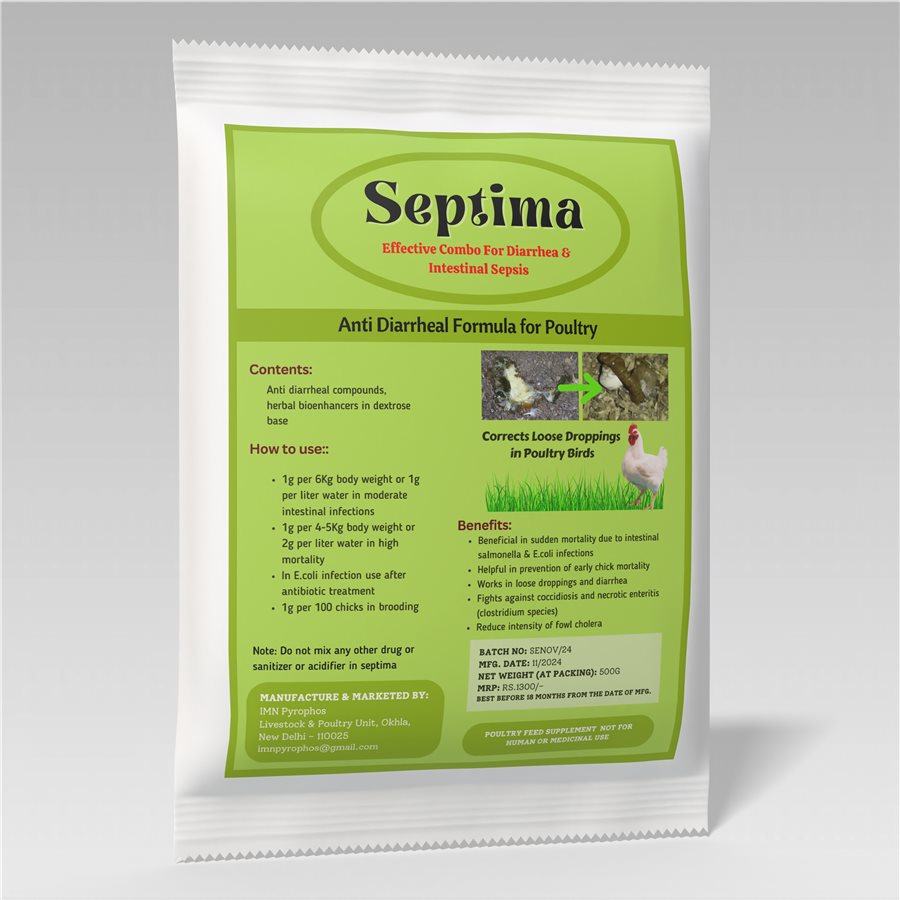
Septima
Anti-diarrhoeal combination with herbal bioenhancers in a dextrose base. Corrects loose droppings and is helpful in sudden mortality from intestinal Salmonella and E. coli, in early chick mortality, and against coccidiosis and necrotic enteritis.
Dose: 1 g per 6 kg body weight or 1 g per litre for moderate cases; 1 g per 4–5 kg body weight or 2 g per litre in high mortality. In E. coli infection, use after the antibiotic course. Do not mix with other drugs, sanitizers or acidifiers.
500 g ₹793MRP ₹1,300
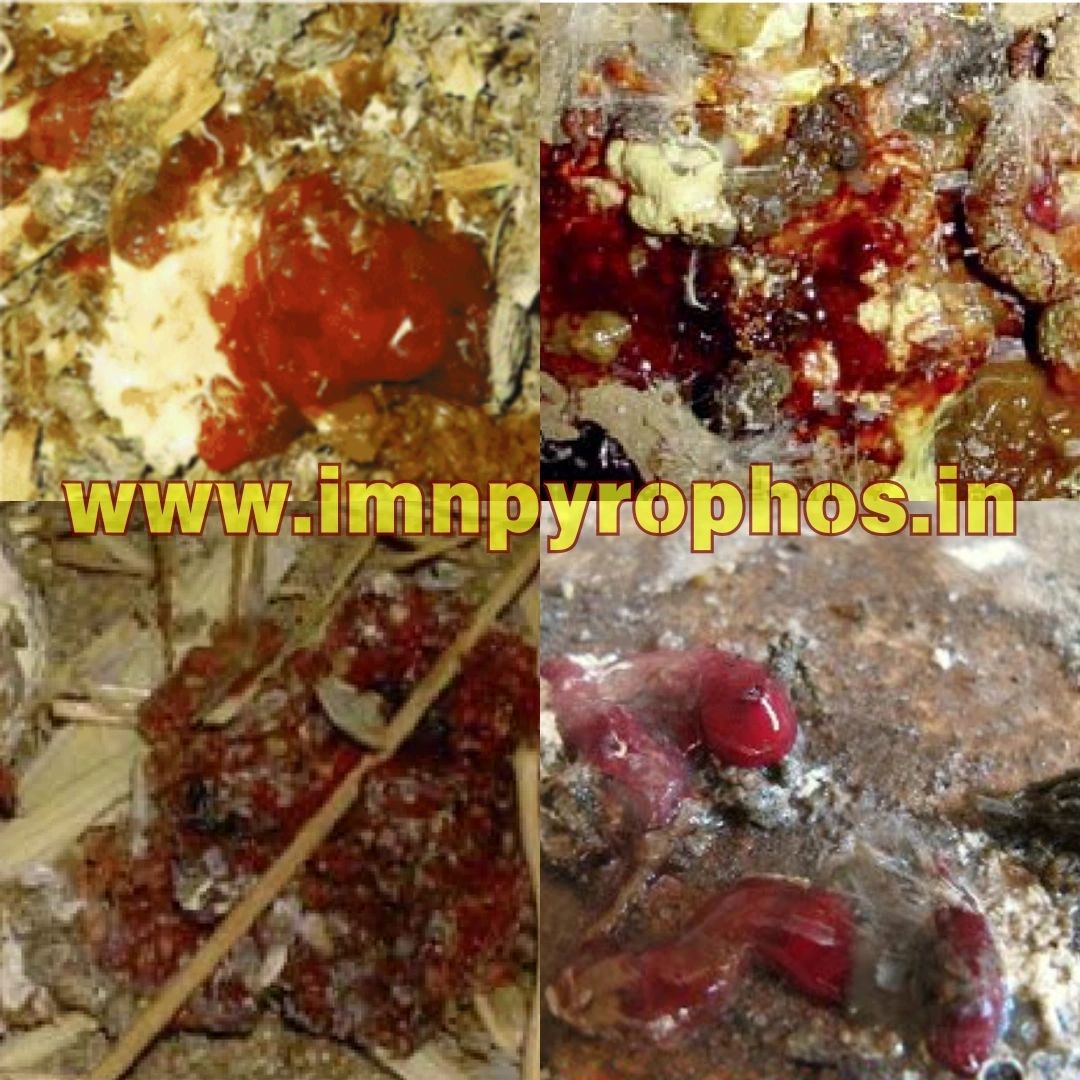
Red (Bloody) droppings:
Causes:
Acute Hemorrhagic Enteritis:
Turkey Hemorrhagic Enteritis (Siadenovirus)
Hemorrhagic Nephritis Enteritis of Geese (HNEG)
Coccidiosis in chickens (Eimeria tenella)
Parasites
Wounds
Cannibalism
Gray droppings:
Causes:
Malabsorption
Mixture of bile and urates in droppings
Antitrypsin factor (undercooked soybean or rapeseed)
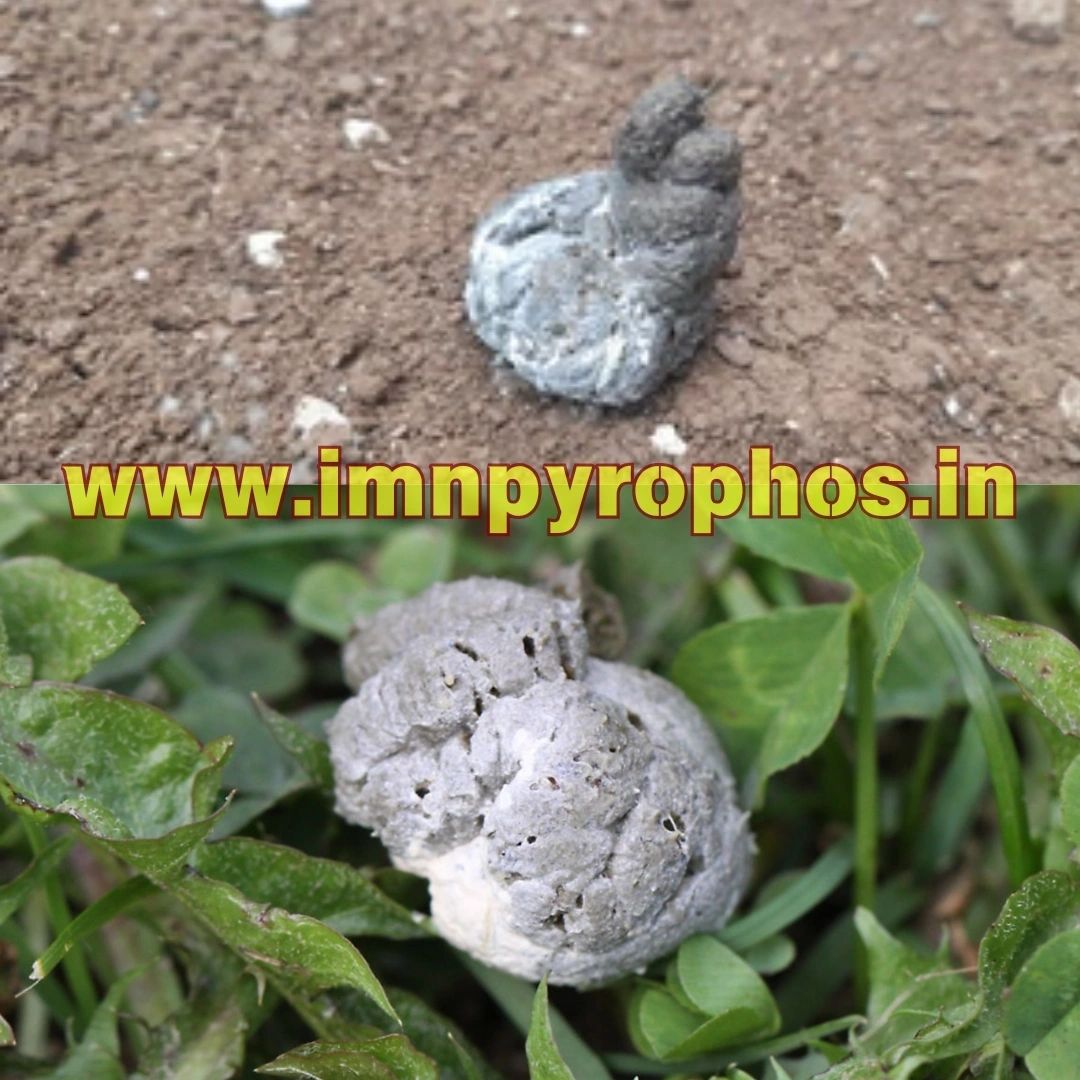
Black (Tarry) droppings:
Cause:
Melena (digested blood)
Possible contributors:
Pellet binder "Lignosol FG"
Excess fiber in the diet (e.g., wheat, barley)
High iron in feed or drinking water
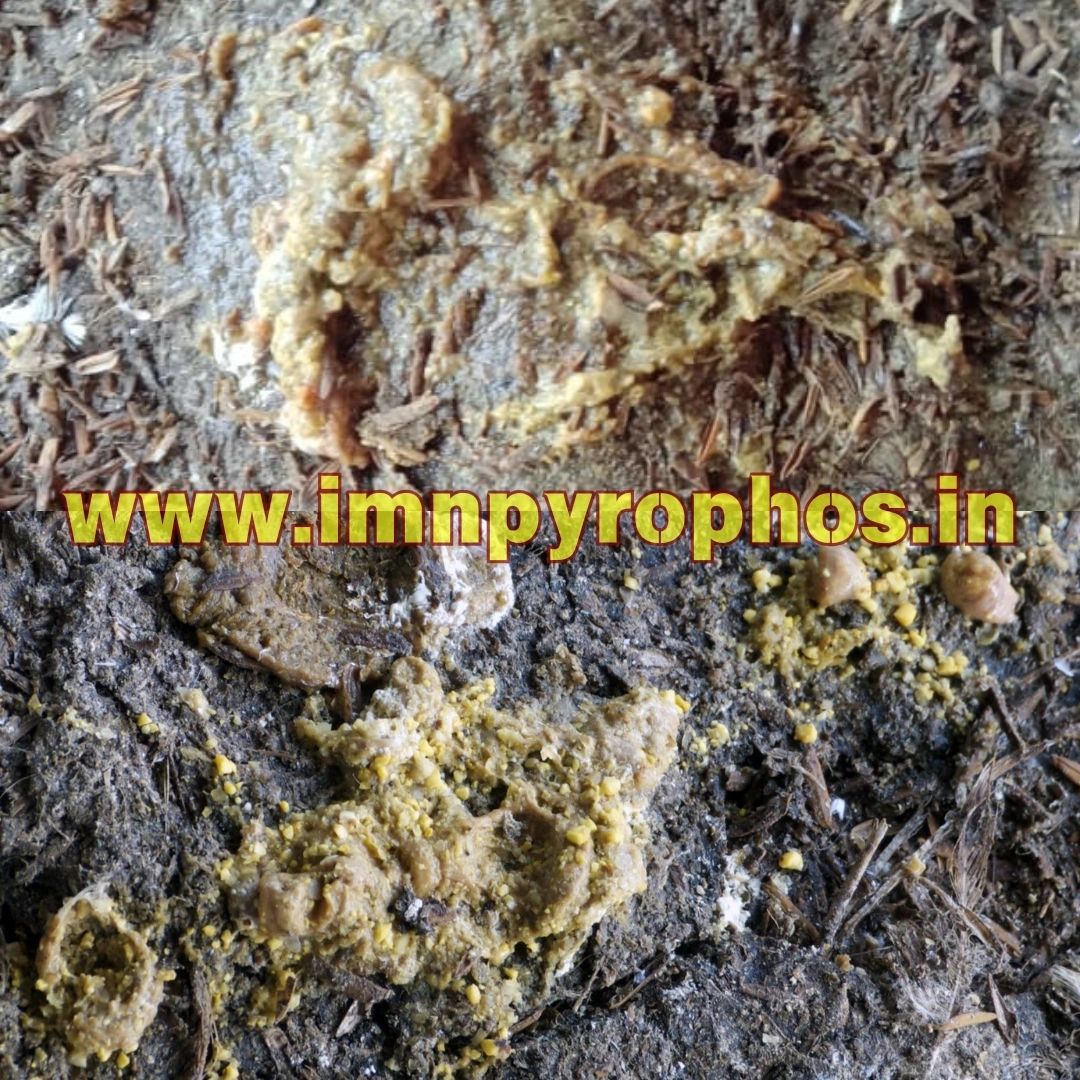
Undigested Feed:
Causes:
Malabsorption
Rapid intestinal transit
Infections
Disturb gut microbiota
Inadequate particle size in the ration
Toxicity
Important Note:
Observing dropping color is a valuable tool for early disease detection, but it's essential to consider other factors like water content, water consumption, and the overall health and behavior of the birds for accurate diagnosis. Always consult a veterinarian for confirmation and appropriate treatment.
Additional Considerations for Accurate Diagnosis
Beyond the appearance of droppings, certain factors can contribute to variations and should be considered for a comprehensive diagnosis.
Water Content: Evaluating the moisture level in droppings helps assess litter quality and aids in the early detection of enteritis. Tools like the ELANCOBOX offer a standardized method for this evaluation.
Water Consumption: It's crucial to assess the flock's water intake to determine whether watery droppings are caused by excessive drinking or intestinal damage affecting water reabsorption.
Bird Observation: Pay close attention to the birds' cloacal area and feathers for any signs of soiling or staining with droppings, as this provides further clues about their health status.
Conclusion:
This guide offers a framework for evaluating poultry droppings and understanding potential causes of abnormalities. Remember that this information is for educational purposes only and should not replace professional veterinary advice. If you observe concerning changes in your flock's droppings, consult us for proper diagnosis and treatment.
Problem in your flock? Send photos of the birds and droppings on WhatsApp for a first opinion from Dr. Ibne Ali.
WhatsApp: 98715 84101इस लेख में हम farm में मुर्गियों की बीट (chicken poop) को उसके रंग, गाढ़ेपन (consistency) और मात्रा के आधार पर जाँचेंगे। मुर्गी की बीट देखना पक्षी की सेहत की रिपोर्ट देखने जैसा है। इससे पक्षी के पेट या आँतों की समस्याएँ जल्दी पकड़ में आ जाती हैं। यह ज़रूरी है क्योंकि इससे अंडे या मीट कम होने से पैसे का नुकसान जैसी बड़ी समस्याएँ रुक सकती हैं और बहुत सारे पक्षियों को मरने से भी बचाया जा सकता है।
परिचय: मुर्गियों की बीट देखना, poultry में आँतों और/या caeca (अंधनाल) की बीमारियों में जल्दी कदम उठाने के लिए एक कीमती जाँच का तरीका है। इससे poultry किसान उत्पादन (मीट और अंडे) घटने से होने वाले आर्थिक नुकसान को सीमित कर सकते हैं और बड़ी mortality को रोक सकते हैं।
बीट के प्रकार: मुर्गियाँ दो तरह की बीट करती हैं: fecal (सामान्य बीट) और cecal (caeca वाली बीट)।
1. Fecal Droppings (सामान्य बीट): सामान्य fecal बीट छोटी, बनी हुई (आकार वाली) होती है, जिस पर सफेद urate की टोपी होती है। अक्सर इस पर एक रोयाँ (down feather) चिपका होता है और इसमें गीलेपन का कोई निशान नहीं होता। यह सूखी, हरी-भूरी होती है, और इसमें बलगम या बिना पचे दाने नहीं होते।
2. Cecal Droppings (caeca वाली बीट): सामान्य cecal बीट का रंग अलग-अलग होता है (गहरे भूरे से लगभग काला तक), और यह ठोस, चिकनी, गाढ़ी (चिपचिपी) और बदबूदार होती है।
बीट की जाँच:
बीट जाँचते समय इन बातों पर ध्यान दें:
पानी की मात्रा: देखें कि बीट सामान्य है, थोड़ी नम है, पानी जैसी है, या बहुत पतली (दस्त) है।
मात्रा (Volume): बीट की मात्रा में कोई बढ़ोतरी हो तो नोट करें।
गाढ़ापन (Consistency): गाढ़ापन कम होना देखें, जैसे पानी जैसी या झागदार बीट।
रंग: रंग में बदलाव देखें, खासकर melena (पचा हुआ खून) या ताज़ा खून।
तेल जैसा दिखना: बीट पर तेल जैसी चमक है या नहीं, जाँचें।
बिना पचा feed: बीट में कोई बिना पचा feed हो तो नोट करें।
असामान्य बदबू: बीट से कोई अलग तरह की बदबू आ रही हो तो पहचानें।
बीट कहाँ देखें:
Waterers (पानी के बर्तनों) के आसपास बीट देखें, क्योंकि जाँच के लिए यह एक तय जगह है। पक्षियों को भी खुद जाँचें, खासकर cloaca (मलद्वार) के आसपास और पंखों पर, कि कहीं दस्त वाली बीट से गंदगी या दाग तो नहीं लगे।
शुरुआती चेतावनी के संकेत पहचानना
ध्यान रखने वाले poultry पालक के तौर पर, आपको बीट में होने वाले छोटे-छोटे बदलाव पकड़ने आने चाहिए, जो किसी शुरू होती समस्या का संकेत हो सकते हैं।
Fecal Droppings: आकार, गाढ़ेपन और नमी में बदलाव देखें। अगर बीट सामान्य से बड़ी है, उसका आकार बिगड़ने लगा है, तेल जैसी दिख रही है, या ज़्यादा गीली हो रही है, तो यह आँतों की गड़बड़ी का पहला संकेत हो सकता है।
Cecal Droppings: गाढ़ेपन में कोई भी बदलाव, खासकर पानी जैसी, झागदार या रंग बदली हुई दिखना, caeca की गड़बड़ी के शुरुआती संकेत हैं।
मुर्गियों की बीट के रूप पर नोट्स
हम आपको आँतों की सेहत (gut health) के संकेत के रूप में मुर्गियों की बीट का रूप समझने की एक विस्तृत गाइड देने की कोशिश कर रहे हैं। इस जानकारी को चिंता के चार स्तरों में बाँटा जा सकता है: स्वस्थ, red flag (खतरे की घंटी), खराब, और खतरनाक।
1. स्वस्थ मुर्गी की बीट:
Fecal Droppings: छोटी, अच्छी तरह बनी हुई, सफेद urate की टोपी के साथ, हरी-भूरी, सूखी और बिना बदबू की, इस पर रोयाँ (down feather) चिपका हो सकता है।
Cecal Droppings: रंग अलग-अलग (गहरे भूरे से लगभग काला), ठोस, चिकनी, गाढ़ी और बदबूदार।
स्वस्थ बीट ऊपर तस्वीर 1 में दिखाई गई है
2. Red Flag बीट, जो समस्या की शुरुआत बताती है:
Fecal Droppings: आकार बढ़ा हुआ, बनावट बिगड़ने लगी, तेल जैसी दिखना, नमी बढ़ी हुई।
Cecal Droppings: पानी जैसी, गाढ़ापन कम, झागदार, रंग बदला हुआ, जो caeca की शुरुआती गड़बड़ी बताता है।
3. खराब बीट, जिसमें नुकसान कम करने के लिए तुरंत कदम उठाना ज़रूरी है:
Fecal Droppings: पानी जैसी, सख्ती खत्म, बिना पचा feed, नारंगी बलगम हो सकता है।
Cecal Droppings: झागदार, रंग बदला हुआ, पतली, कोई गाढ़ापन नहीं।
4. खतरनाक बीट, जो बहुत गंभीर समस्या का पक्का संकेत है और जिसके साथ mortality भी होती है:
Fecal Droppings: पानी जैसे दस्त, बिना पचा feed, बलगम, सड़ा हुआ (necrotic) पदार्थ, और/या खून।
Cecal Droppings: बहुत झागदार (mousse जैसी), फैली हुई, रंग बदला हुआ, पतली।
बीट के रूप से जुड़ी बीमारियों के उदाहरण
यहाँ असामान्य बीट से जुड़ी कुछ खास बीमारियों और स्थितियों के उदाहरण दिए गए हैं:
Aviadenovirosis (Inclusion Body Hepatitis): दस्त वाली बीट कर सकती है, कभी-कभी बिना पचे feed के साथ।
Coccidiosis:
Eimeria acervulina: नारंगी बलगम के साथ दस्त कर सकता है।
Eimeria maxima: नारंगी बीट से जुड़ा है।
Eimeria tenella: caeca से खूनी बीट कर सकता है।
Fumonisins Intoxication (ज़हर): Fecal बीट में गंभीर बदलाव कर सकता है।
Brachyspira spp. संक्रमण: बहुत झागदार, फैली हुई, रंग बदली हुई और पतली cecal बीट करता है (जैसा तस्वीर 7 में दिखाया गया है)।
दूसरी ज़रूरी बातें
स्रोत इस बात पर ज़ोर देते हैं कि बीट देखना poultry की आँतों की सेहत जाँचने का सिर्फ एक तरीका है। इन बातों पर भी ध्यान देना ज़रूरी है:
पानी की मात्रा: बीट में नमी का स्तर litter की quality और enteritis (आँतों की सूजन) की संभावित समस्या बता सकता है। ELANCOBOX जैसे tools पानी की मात्रा जाँचने में मदद कर सकते हैं।
ELANCOBOX: ELANCOBOX एक tool है जिससे बीट में पानी की मात्रा जाँची जाती है और litter की अच्छी quality पक्की की जाती है (जो त्वचा की बीमारियों और pododermatitis यानी पैरों के तलवों की सूजन से बचाती है)। इसमें litter पर सोखने वाला कागज़ रखकर उसके ऊपर जाली वाला (slatted) डिब्बा रखा जाता है, जिस पर पक्षी बीट करते हैं। इस तरीके से नमी की मात्रा का अच्छा अंदाज़ा लगता है। झुंड के पानी पीने की मात्रा पर ध्यान देना ज़रूरी है, ताकि पता चले कि पानी जैसी बीट ज़्यादा पानी पीने से है (बीमारी नहीं) या आँतों के नुकसान से, जिसमें पानी वापस सोखने की क्षमता कम हो गई है।
पानी पीने की मात्रा: ज़्यादा पानी पीने से बीट पानी जैसी हो सकती है, लेकिन यह तय करना ज़रूरी है कि यह ज़्यादा पानी पीने से है या आँतों के नुकसान से, जो पानी को वापस सोखने पर असर डालता है।
पक्षियों का व्यवहार और दिखावट: पक्षियों को खुद देखना, खासकर cloaca के आसपास और गंदे पंखों को, उनकी सेहत के बारे में और जानकारी दे सकता है।
बीट को देखने के साथ इन दूसरी बातों को जोड़कर, poultry किसान अपने झुंड की आँतों की सेहत को बेहतर समझ सकते हैं और बीमारियों से बचाव और नियंत्रण के लिए सही कदम उठा सकते हैं।
आँत की सेहत · बेस्टसेलर
Remipro
प्रोबायोटिक, प्रीबायोटिक (MOS) और Saccharomyces, साथ में बीटेन, मेथियोनीन और विटामिन C। आँत के अच्छे बैक्टीरिया लौटाता है, पतली बीट घटाता है, पाचन और FCR सुधारता है, कॉक्सीडियोसिस से उबरने में मदद करता है और भूरी/कॉफी रंग की बीट ठीक करता है।
मात्रा: रोज़ की आँत सेहत के लिए 1 ग्राम प्रति 8 किलो वज़न या 1 ग्राम प्रति लीटर पानी; पतली बीट और इन्फेक्शन में 1 ग्राम प्रति 5 किलो वज़न या 2 ग्राम प्रति लीटर; ब्रूडिंग में 1 ग्राम प्रति 100 चूज़े।
500 g ₹626MRP ₹950
रंग गाइड: मुर्गी की बीट / दस्त का रंग उसके पीछे की वजह के बारे में सुराग दे सकता है।
मुर्गी की बीट का रंग और उससे जुड़ी बीमारियाँ
यहाँ मुर्गियों की बीट के रंग, जैसे मुर्गियों में भूरे दस्त, को सेहत की संभावित समस्याओं के संकेत के रूप में समझने की पूरी गाइड है। अलग-अलग रंग और उनसे जुड़ी बीमारियाँ इस तरह हैं:
नारंगी बीट:
कारण:
आँतों की अंदरूनी परत (mucosa) का झड़ना
Coccidiosis (Eimeria maxima या E. acervulina)
खून में शुगर की कमी (Hypoglycemia)
Broiler चूज़ों का Spiking Mortality Syndrome (HSMS)
Carotenes और vitamins की कमी
पीली बीट:
कारण:
Inclusion Body Hepatitis (Aviadenovirosis)
Avian Enterovirus-like virus संक्रमण
Histomoniasis (Blackhead)
Poult Enteritis Mortality Syndrome (PEMS)
खाना ठीक से न पचना और caeca में fermentation (झागदार पीली बीट कर सकता है)
कैरामेल (हल्के भूरे) रंग की बीट:
कारण:
Brachyspira spp. संक्रमण
Coccidiosis की शुरुआती stage (कैरामेल रंग की बीट, जो coccidiosis का जल्दी इलाज न होने पर बाद में खूनी हो जाती है)
दूसरे परजीवी संक्रमण
हरी बीट (मुर्गियों में हरे दस्त):
कारण:
भूखा रहना
भूख न लगना (बीमारी से जुड़ा)
Feed में fat की समस्या (बासीपन/rancidity, मात्रा, सोखना)
तेज़ septicemic बीमारियाँ:
Avian Influenza
Newcastle disease
Spirochaetosis
Fowl cholera
Duck Viral Enteritis
Liver की बीमारियाँ:
Clostridiosis
Colibacillosis
पतली बीट · बेस्टसेलर
Septima
डेक्सट्रोज़ बेस में हर्बल बायोएन्हांसर के साथ दस्त-रोधी कॉम्बिनेशन। पतली बीट ठीक करता है; आँत के Salmonella और E. coli से अचानक मौतों, शुरुआती चूज़ा मृत्यु, कॉक्सीडियोसिस और नेक्रोटिक एंटेराइटिस में मददगार।
मात्रा: सामान्य केस में 1 ग्राम प्रति 6 किलो वज़न या 1 ग्राम प्रति लीटर; ज़्यादा मौतों में 1 ग्राम प्रति 4–5 किलो वज़न या 2 ग्राम प्रति लीटर। E. coli में एंटीबायोटिक कोर्स के बाद दें। दूसरी दवा, सैनिटाइज़र या एसिडिफायर के साथ न मिलाएँ।
500 g ₹793MRP ₹1,300
लाल (खूनी) बीट:
कारण:
तेज़ Hemorrhagic Enteritis (खूनी आँत्रशोथ):
Turkey Hemorrhagic Enteritis (Siadenovirus)
हंसों का Hemorrhagic Nephritis Enteritis (HNEG)
मुर्गियों में Coccidiosis (Eimeria tenella)
परजीवी
घाव
एक-दूसरे को चोंच मारना/नोचना (Cannibalism)
स्लेटी (Gray) बीट:
कारण:
पोषक तत्व ठीक से न सोखना (Malabsorption)
बीट में पित्त (bile) और urates का मिश्रण
Antitrypsin factor (ठीक से न पका soybean या rapeseed)
काली (तारकोल जैसी) बीट:
कारण:
Melena (पचा हुआ खून)
संभावित कारण:
Pellet binder "Lignosol FG"
खुराक में ज़्यादा fiber (जैसे गेहूँ, जौ)
Feed या पीने के पानी में ज़्यादा iron
बिना पचा Feed:
कारण:
पोषक तत्व ठीक से न सोखना (Malabsorption)
आँतों से खाना बहुत जल्दी निकल जाना
संक्रमण
आँतों के अच्छे बैक्टीरिया (gut microbiota) का बिगड़ना
खुराक में दानों का सही आकार (particle size) न होना
ज़हरीलापन (Toxicity)
ज़रूरी नोट:
बीट का रंग देखना बीमारी को जल्दी पकड़ने का एक कीमती तरीका है, लेकिन सही जाँच के लिए पानी की मात्रा, पानी पीने की मात्रा, और पक्षियों की पूरी सेहत और व्यवहार जैसी दूसरी बातों पर भी ध्यान देना ज़रूरी है। पुष्टि और सही इलाज के लिए हमेशा पशु चिकित्सक से सलाह लें।
सही जाँच के लिए कुछ और बातें
बीट के रूप के अलावा, कुछ बातें बदलाव का कारण बन सकती हैं और पूरी जाँच के लिए इन पर ध्यान देना चाहिए।
पानी की मात्रा: बीट में नमी का स्तर जाँचने से litter की quality का पता चलता है और enteritis को जल्दी पकड़ने में मदद मिलती है। ELANCOBOX जैसे tools इस जाँच के लिए एक तय (standardized) तरीका देते हैं।
पानी पीने की मात्रा: झुंड कितना पानी पी रहा है, यह जाँचना बहुत ज़रूरी है, ताकि पता चले कि पानी जैसी बीट ज़्यादा पानी पीने से है या आँतों के नुकसान से, जो पानी को वापस सोखने पर असर डालता है।
पक्षियों को देखना: पक्षियों के cloaca के आसपास और पंखों पर बीट की गंदगी या दाग पर ध्यान से नज़र रखें, क्योंकि इससे उनकी सेहत के बारे में और सुराग मिलते हैं।
निष्कर्ष:
यह गाइड मुर्गियों की बीट जाँचने और असामान्यताओं के संभावित कारण समझने का एक ढाँचा देती है। याद रखें कि यह जानकारी सिर्फ सीखने के लिए है और पेशेवर पशु चिकित्सक की सलाह की जगह नहीं ले सकती। अगर आपको अपने झुंड की बीट में चिंता वाले बदलाव दिखें, तो सही जाँच और इलाज के लिए हमसे संपर्क करें।
फ़ार्म में कोई दिक्कत? पक्षियों और बीट की फ़ोटो WhatsApp पर भेजिए, डॉ. इब्ने अली से पहली राय लीजिए।
WhatsApp: 98715 84101Is article me hum farm me murgiyon ki beet (chicken poop) ko uske rang, gaadhepan (consistency) aur matra ke hisaab se check karenge. Murghi ki beet dekhna bird ki health report dekhne jaisa hai. Isse bird ke pet ya aanton ki problem jaldi pakad me aa jaati hai. Ye zaroori hai kyunki isse ande ya meat kam hone se paise ka nuksan jaisi badi problems ruk sakti hain aur bahut saare birds ko marne se bhi bachaya ja sakta hai.
Introduction: Murgiyon ki beet dekhna, poultry me aanton aur/ya caeca ki bimariyon me jaldi kadam uthane ke liye ek keemti diagnosis ka tareeka hai. Isse poultry farmers production (meat aur ande) ghatne se hone wale aarthik nuksan ko kam kar sakte hain aur badi mortality ko rok sakte hain.
Beet ke Types: Murgiyan do tarah ki beet karti hain: fecal (normal beet) aur cecal (caeca wali beet).
1. Fecal Droppings: Normal fecal beet chhoti, bani hui (shape wali) hoti hai, jis par safed urate ki topi hoti hai. Aksar is par ek chhota rooyan (down feather) chipka hota hai aur isme geelepan ka koi nishaan nahi hota. Ye sukhi, hari-bhoori hoti hai, aur isme balgam ya bina pache daane nahi hote.
2. Cecal Droppings: Normal cecal beet ka rang alag-alag hota hai (gehre bhoore se lagbhag kaale tak), aur ye thos, chikni, gaadhi (chipchipi) aur badboodar hoti hai.
Beet ki Jaanch:
Beet check karte samay in baaton par dhyan dein:
Paani ki matra: Dekhein ki beet normal hai, thodi nam hai, paani jaisi hai, ya bahut patli (dast) hai.
Matra (Volume): Beet ki matra me koi badhotri ho to note karein.
Gaadhapan (Consistency): Gaadhapan kam hona dekhein, jaise paani jaisi ya jhaag wali beet.
Rang: Rang me badlav dekhein, khaas kar melena (pacha hua khoon) ya taaza khoon.
Tel jaisa dikhna: Beet par tel jaisi chamak hai ya nahi, check karein.
Bina pacha feed: Beet me koi bina pacha feed ho to note karein.
Alag tarah ki badboo: Beet se koi alag tarah ki badboo aa rahi ho to pehchanein.
Beet kahan Dekhein:
Waterers ke aas-paas beet dekhein, kyunki jaanch ke liye ye ek fix jagah hai. Birds ko bhi khud check karein, khaas kar cloaca (vent) ke aas-paas aur pankhon par, ki kahin dast wali beet se gandagi ya daag to nahi lage.
Shuruati Warning Signs Pehchanna
Dhyan rakhne wale poultry paalak ke taur par, aapko beet me hone wale chhote-chhote badlav pakadne aane chahiye, jo kisi shuru hoti problem ka sign ho sakte hain.
Fecal Droppings: Size, gaadhepan aur nami me badlav dekhein. Agar beet normal se badi hai, uska shape bigadne laga hai, tel jaisi dikh rahi hai, ya zyada geeli ho rahi hai, to ye aanton ki gadbadi ka pehla sign ho sakta hai.
Cecal Droppings: Gaadhepan me koi bhi badlav, khaas kar paani jaisi, jhaag wali ya rang badli hui dikhna, caeca ki gadbadi ke shuruati sign hain.
Murgiyon ki Beet ke Roop par Notes
Hum aapko gut health ke sign ke roop me murgiyon ki beet ka roop samajhne ki ek detailed guide dene ki koshish kar rahe hain. Is jaankari ko chinta ke chaar level me baanta ja sakta hai: healthy, red flag (khatre ki ghanti), kharab, aur danger.
1. Healthy Murghi ki Beet:
Fecal Droppings: Chhoti, achhi tarah bani hui, safed urate ki topi ke saath, hari-bhoori, sukhi aur bina badboo ki, is par rooyan (down feather) chipka ho sakta hai.
Cecal Droppings: Rang alag-alag (gehre bhoore se lagbhag kaala), thos, chikni, gaadhi aur badboodar.
Healthy beet upar picture 1 me dikhai gayi hai
2. Red Flag Beet, jo problem ki shuruat batati hai:
Fecal Droppings: Size badha hua, banawat bigadne lagi, tel jaisi dikhna, nami badhi hui.
Cecal Droppings: Paani jaisi, gaadhapan kam, jhaag wali, rang badla hua, jo caeca ki shuruati gadbadi batata hai.
3. Kharab Beet, jisme nuksan kam karne ke liye turant kadam uthana zaroori hai:
Fecal Droppings: Paani jaisi, sakhti khatam, bina pacha feed, orange balgam ho sakta hai.
Cecal Droppings: Jhaag wali, rang badla hua, patli, koi gaadhapan nahi.
4. Danger Beet, jo bahut serious problem ka pakka sign hai aur jiske saath mortality bhi hoti hai:
Fecal Droppings: Paani jaise dast, bina pacha feed, balgam, sada hua (necrotic) material, aur/ya khoon.
Cecal Droppings: Bahut jhaag wali (mousse jaisi), faili hui, rang badla hua, patli.
Beet ke Roop se Judi Bimariyon ke Examples
Yahan abnormal beet se judi kuch khaas bimariyon aur conditions ke examples diye gaye hain:
Aviadenovirosis (Inclusion Body Hepatitis): Dast wali beet kar sakti hai, kabhi-kabhi bina pache feed ke saath.
Coccidiosis:
Eimeria acervulina: Orange balgam ke saath dast kar sakta hai.
Eimeria maxima: Orange beet se juda hai.
Eimeria tenella: Caeca se khooni beet kar sakta hai.
Fumonisins Intoxication: Fecal beet me serious badlav kar sakta hai.
Brachyspira spp. infection: Bahut jhaag wali, faili hui, rang badli hui aur patli cecal beet karta hai (jaisa picture 7 me dikhaya gaya hai).
Doosri Zaroori Baatein
Sources is baat par zor dete hain ki beet dekhna poultry ki gut health check karne ka sirf ek tareeka hai. In baaton par bhi dhyan dena zaroori hai:
Paani ki matra: Beet me nami ka level litter ki quality aur enteritis ki possible problem bata sakta hai. ELANCOBOX jaise tools paani ki matra check karne me madad kar sakte hain.
ELANCOBOX: ELANCOBOX ek tool hai jisse beet me paani ki matra check ki jaati hai aur litter ki achhi quality pakki ki jaati hai (jo skin ki bimariyon aur pododermatitis yaani pairon ke talwon ki sujan se bachati hai). Isme litter par sokhne wala kaagaz rakh kar uske upar jaali wala (slatted) dibba rakha jata hai, jis par birds beet karte hain. Is tareeke se nami ki matra ka achha andaza lagta hai. Flock ke paani peene ki matra par dhyan dena zaroori hai, taaki pata chale ki paani jaisi beet zyada paani peene se hai (bimari nahi) ya aanton ke nuksan se, jisme paani wapas sokhne ki kshamta kam ho gayi hai.
Paani peene ki matra: Zyada paani peene se beet paani jaisi ho sakti hai, lekin ye tay karna zaroori hai ki ye zyada paani peene se hai ya aanton ke nuksan se, jo paani ko wapas sokhne par asar daalta hai.
Birds ka Behaviour aur Dikhawat: Birds ko khud dekhna, khaas kar cloaca ke aas-paas aur gande pankhon ko, unki health ke baare me aur jaankari de sakta hai.
Beet dekhne ke saath in doosri baaton ko jod kar, poultry farmers apne flock ki gut health ko behtar samajh sakte hain aur bimariyon se bachav aur control ke liye sahi kadam utha sakte hain.
Aant ki sehat · bestseller
Remipro
Probiotic, prebiotic (MOS) aur Saccharomyces, saath me betaine, methionine aur vitamin C. Aant ke achhe bacteria lautata hai, patli beet ghatata hai, pachan aur FCR sudharta hai, coccidiosis se ubharne me madad karta hai aur bhoori/coffee rang ki beet theek karta hai.
Matra: Roz ki aant sehat ke liye 1 g prati 8 kg wazan ya 1 g prati litre paani; patli beet aur infection me 1 g prati 5 kg wazan ya 2 g prati litre; brooding me 1 g prati 100 chooze.
500 g ₹626MRP ₹950
Color Guide: Murghi ki beet / dast ka rang uske peeche ki wajah ke baare me suraag de sakta hai.
Murghi ki Beet ka Rang aur usse Judi Bimariyan
Yahan murgiyon ki beet ke rang, jaise murgiyon me bhoore dast, ko health problems ke sign ke roop me samajhne ki poori guide hai. Alag-alag rang aur unse judi bimariyan is tarah hain:
Orange Beet:
Karan:
Aanton ki andar ki parat (mucosa) ka jhadna
Coccidiosis (Eimeria maxima ya E. acervulina)
Khoon me sugar ki kami (Hypoglycemia)
Broiler chuzon ka Spiking Mortality Syndrome (HSMS)
Carotenes aur vitamins ki kami
Peeli Beet:
Karan:
Inclusion Body Hepatitis (Aviadenovirosis)
Avian Enterovirus-like virus infection
Histomoniasis (Blackhead)
Poult Enteritis Mortality Syndrome (PEMS)
Khana theek se na pachna aur caeca me fermentation (jhaag wali peeli beet kar sakta hai)
Caramel (halke bhoore) rang ki Beet:
Karan:
Brachyspira spp. infection
Coccidiosis ki shuruati stage (caramel rang ki beet, jo coccidiosis ka jaldi ilaaj na hone par baad me khooni ho jaati hai)
Doosre parasite infestation
Hari Beet (murgiyon me hare dast):
Karan:
Bhookha rehna
Bhookh na lagna (bimari se juda)
Feed me fat ki problem (rancidity/baasipan, matra, absorption)
Tez septicemic bimariyan:
Avian Influenza
Newcastle disease
Spirochaetosis
Fowl cholera
Duck Viral Enteritis
Liver ki bimariyan:
Clostridiosis
Colibacillosis
Patli beet · bestseller
Septima
Dextrose base me herbal bioenhancer ke saath dast-rodhi combination. Patli beet theek karta hai; aant ke Salmonella aur E. coli se achanak maut, shuruaati chooza mrityu, coccidiosis aur necrotic enteritis me madadgaar.
Matra: Saamanya case me 1 g prati 6 kg wazan ya 1 g prati litre; zyada maut me 1 g prati 4–5 kg wazan ya 2 g prati litre. E. coli me antibiotic course ke baad dijiye. Doosri dawa, sanitizer ya acidifier ke saath mat milaiye.
500 g ₹793MRP ₹1,300
Laal (Khooni) Beet:
Karan:
Tez Hemorrhagic Enteritis (khooni aanton ki sujan):
Turkey Hemorrhagic Enteritis (Siadenovirus)
Hans (geese) ka Hemorrhagic Nephritis Enteritis (HNEG)
Murgiyon me Coccidiosis (Eimeria tenella)
Parasites
Ghav
Ek-doosre ko nochna (Cannibalism)
Grey (Slaty) Beet:
Karan:
Poshak tatv theek se na sokhna (Malabsorption)
Beet me pitt (bile) aur urates ka mixture
Antitrypsin factor (theek se na paka soybean ya rapeseed)
Kaali (Taarkol jaisi) Beet:
Karan:
Melena (pacha hua khoon)
Possible karan:
Pellet binder "Lignosol FG"
Khurak me zyada fiber (jaise gehun, jau)
Feed ya peene ke paani me zyada iron
Bina Pacha Feed:
Karan:
Poshak tatv theek se na sokhna (Malabsorption)
Aanton se khana bahut jaldi nikal jana
Infections
Aanton ke achhe bacteria (gut microbiota) ka bigadna
Khurak me daanon ka sahi size (particle size) na hona
Toxicity (zehreelapan)
Zaroori Note:
Beet ka rang dekhna bimari ko jaldi pakadne ka ek keemti tareeka hai, lekin sahi diagnosis ke liye paani ki matra, paani peene ki matra, aur birds ki poori health aur behaviour jaisi doosri baaton par bhi dhyan dena zaroori hai. Confirmation aur sahi ilaaj ke liye hamesha vet se salah lein.
Sahi Diagnosis ke liye kuch aur Baatein
Beet ke roop ke alawa, kuch baatein badlav ka karan ban sakti hain aur poori jaanch ke liye in par dhyan dena chahiye.
Paani ki matra: Beet me nami ka level check karne se litter ki quality ka pata chalta hai aur enteritis ko jaldi pakadne me madad milti hai. ELANCOBOX jaise tools is jaanch ke liye ek standard tareeka dete hain.
Paani peene ki matra: Flock kitna paani pee raha hai, ye check karna bahut zaroori hai, taaki pata chale ki paani jaisi beet zyada paani peene se hai ya aanton ke nuksan se, jo paani ko wapas sokhne par asar daalta hai.
Birds ko Dekhna: Birds ke cloaca ke aas-paas aur pankhon par beet ki gandagi ya daag par dhyan se nazar rakhein, kyunki isse unki health ke baare me aur suraag milte hain.
Conclusion:
Ye guide murgiyon ki beet check karne aur gadbadi ke possible karan samajhne ka ek framework deti hai. Yaad rakhein ki ye jaankari sirf seekhne ke liye hai aur professional vet ki salah ki jagah nahi le sakti. Agar aapko apne flock ki beet me chinta wale badlav dikhein, to sahi diagnosis aur ilaaj ke liye humse sampark karein.
Farm me koi dikkat? Pakshiyon aur beet ki photo WhatsApp par bhejiye, Dr. Ibne Ali se pehli raay lijiye.
WhatsApp: 98715 84101