Welcome to this blog on the fascinating world of goat nutrition and digestion. Understanding how goats process food is crucial for ensuring their health and productivity. We will explore the basic nutritional needs of goats, their unique digestive system, and the step-by-step process of digestion which is essential for making best diet for goat. Some times dairy goat nutrition is also required for milking goats.
Basic Goat Nutrition
Goats, like all living creatures, require a balanced diet to thrive. Their nutritional needs vary depending on factors such as:
- Feed quality and intake: The nutritional content and quantity of available feed significantly impacts a goat's overall health and productivity.
- Forage type: Goats can utilize various food sources, including native and improved pastures, as well as browse. The availability of these sources influences their diet composition.
- Breed and productive capacity: Different goat breeds have varying nutritional needs based on their size, growth rate, and whether they are raised for milk, fiber, or meat.
- Physiological state: A goat's nutritional requirements change throughout its life, with higher demands during growth, pregnancy, and lactation.
- Activity level: Goats engaged in more physical activity require additional energy to support their exertion.
Understanding the Ruminant Digestive System
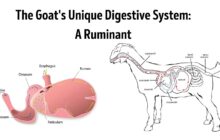
Goats belong to a special group of mammals called ruminants. This classification stems from their remarkable ability to digest high-fiber diets like grass, thanks to their specialized four-compartment stomach. These compartments are:
- Rumen: The largest chamber, acting as a fermentation vat where microorganisms break down plant material.
- Reticulum: Works closely with the rumen in fermentation and also houses the esophageal groove, essential for directing milk in suckling kids.
- Omasum: Believed to be involved in water absorption, further grinding of food, and regulating digesta flow to the abomasum.
- Abomasum: The "true stomach" where enzymatic digestion similar to monogastric animals takes place.
Step-by-step Digestion Process
Let's follow a mouthful of food as it journeys through the goat's digestive system:
- Mouth: Digestion begins with chewing and the addition of saliva, which contains bicarbonate crucial for maintaining rumen pH.
- Esophagus: Transports chewed food to the rumen. It also carries regurgitated food (cud) back to the mouth for further chewing during rumination.
- Rumen and Reticulum: These chambers host a diverse community of microorganisms that break down fiber and convert protein into microbial protein. Carbohydrates are fermented into volatile fatty acids (VFAs), the goat's primary energy source.
- Omasum: Further processes the digesta by absorbing water and reducing particle size.
- Abomasum: Protein and some fats are digested here with the aid of enzymes and hydrochloric acid.
- Small Intestine: The primary site for absorption of amino acids, fats, and limited glucose.
- Large Intestine: Primarily responsible for water absorption and waste collection before excretion.
Rumen health
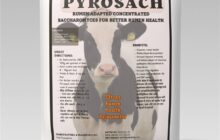
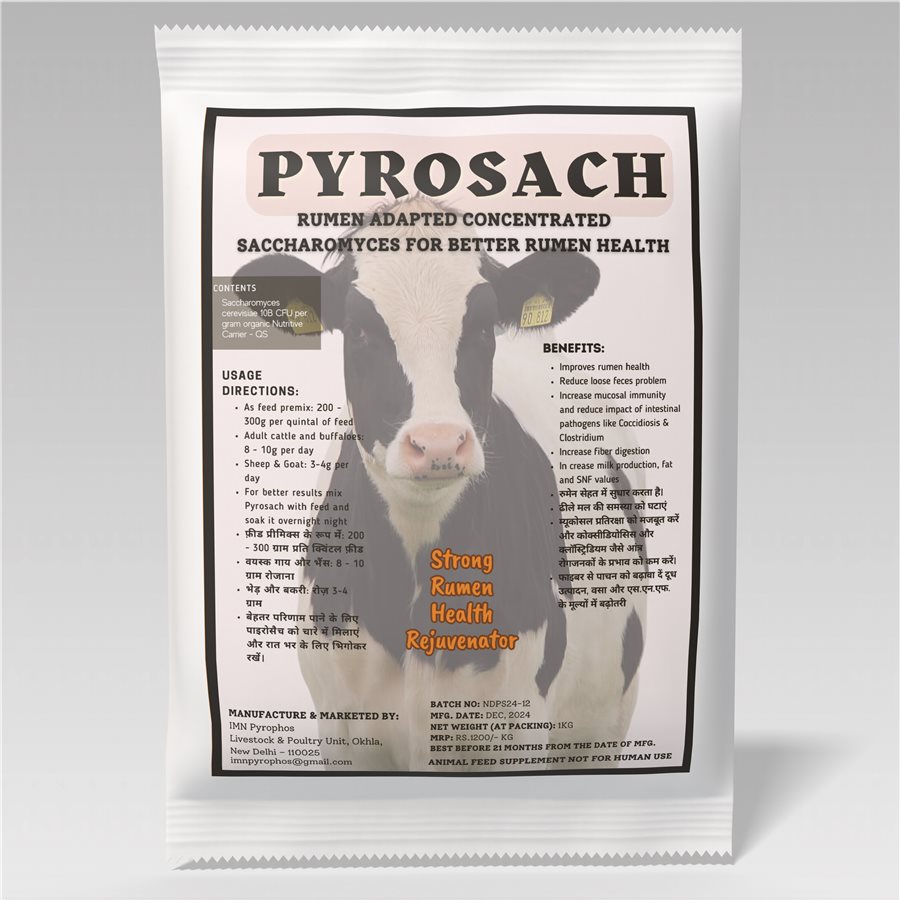
Pyrosach
Rumen-adapted Saccharomyces cerevisiae (10 billion CFU per gram). Improves fibre digestion and rumen health, reduces loose dung, and supports milk, fat and SNF.
Dose: 8–10 g per adult cow or buffalo per day; 3–4 g per sheep or goat; or 200–300 g per quintal of feed. Mix with feed and soak overnight for best results.
1 kg ₹700MRP ₹1,200
Rumen Microorganisms: The Unsung Heroes
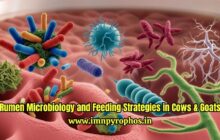
The rumen's ability to digest fiber wouldn't be possible without its diverse population of microorganisms:
- Bacteria: The most numerous, responsible for various tasks like fiber breakdown, protein conversion, and VFA production.
- Protozoa: Consume bacteria and plant matter, particularly starch, sugars, and protein.
- Fungi: Break down tough, fibrous material, making it more accessible to bacteria.
Maintaining a healthy rumen environment for these microbes is crucial. This includes a slightly acidic pH (6.5-7), adequate ammonia and carbohydrates, and an anaerobic (oxygen-free) environment.
Importance of Rumination
Rumination, or "chewing the cud," is essential for efficient digestion. This process further breaks down food particles, increases surface area for microbial action, and stimulates saliva production for rumen pH regulation.
Special Considerations for Kids
Young goats have a developing rumen that requires careful management:
- Milk bypass: The esophageal groove allows milk to bypass the rumen and go directly to the abomasum for efficient digestion.
- Rumen development: As the kid matures, the rumen grows and becomes functional due to the presence of VFAs. Providing hay supports rumen development and health.
- Acidosis prevention: Young ruminants are susceptible to rumen acidosis. It is important to establish regular feeding times, provide good quality milk replacer, avoid sudden dietary changes, and minimize stress.
Conclusion
Understanding the complexities of goat nutrition and their remarkable digestive system is fundamental for successful goat management. By providing balanced diets, promoting rumen health, and considering the specific needs of different age groups, we can ensure healthy and productive goats.
Look at the Goat Nutritional Products by IMN Pyrophos Click Here
Starting or running a goat farm? Ask Dr. Ibne Ali on WhatsApp about feeding, minerals and health.
WhatsApp: 98715 84101बकरी के पोषण और पाचन की दिलचस्प दुनिया पर इस ब्लॉग में आपका स्वागत है। बकरियाँ खाना कैसे पचाती हैं, यह समझना उनकी सेहत और उत्पादन के लिए बहुत ज़रूरी है। हम बकरियों की बुनियादी पोषण ज़रूरतें, उनका खास पाचन तंत्र, और पाचन की एक-एक स्टेप की प्रक्रिया समझेंगे, जो बकरी के लिए सबसे अच्छी खुराक बनाने के लिए ज़रूरी है। कभी-कभी दूध देने वाली बकरियों के लिए डेयरी बकरी पोषण की भी ज़रूरत होती है।
बकरी का बुनियादी पोषण
सभी जीवों की तरह बकरियों को भी अच्छी तरह बढ़ने के लिए संतुलित खुराक चाहिए। उनकी पोषण ज़रूरतें इन बातों पर निर्भर करती हैं:
- चारे की क्वालिटी और मात्रा: मिलने वाले चारे में कितना पोषण है और कितनी मात्रा है, इसका बकरी की सेहत और उत्पादन पर बड़ा असर पड़ता है।
- चारे का प्रकार: बकरियाँ कई तरह का खाना खा सकती हैं, जैसे देसी और सुधरे हुए चरागाह, और झाड़ियों-पेड़ों की पत्तियाँ (browse)। ये चीज़ें कितनी मिलती हैं, इससे उनकी खुराक तय होती है।
- नस्ल और उत्पादन क्षमता: अलग-अलग नस्लों की पोषण ज़रूरतें उनके आकार, बढ़वार की रफ्तार, और इस पर निर्भर करती हैं कि उन्हें दूध, रेशे (fiber) या मीट के लिए पाला जा रहा है।
- शरीर की अवस्था: बकरी की पोषण ज़रूरतें पूरी ज़िंदगी बदलती रहती हैं, बढ़वार, गर्भ (pregnancy) और दूध देने के समय ज़रूरत ज़्यादा होती है।
- मेहनत/चलने-फिरने का स्तर: जो बकरियाँ ज़्यादा चलती-फिरती हैं, उन्हें उस मेहनत के लिए ज़्यादा ऊर्जा चाहिए।
जुगाली करने वाले पशुओं का पाचन तंत्र समझें
बकरियाँ स्तनधारियों के एक खास समूह में आती हैं जिन्हें ruminants (जुगाली करने वाले पशु) कहते हैं। यह नाम उनकी इस खास क्षमता की वजह से है कि वे घास जैसी ज़्यादा रेशे वाली खुराक पचा सकते हैं, और यह उनके चार हिस्सों वाले खास पेट की वजह से होता है। ये हिस्से हैं:
- Rumen (रूमेन): सबसे बड़ा हिस्सा, जो एक फर्मेंटेशन टैंक की तरह काम करता है, जहाँ सूक्ष्म जीव पौधों के हिस्सों को तोड़ते हैं।
- Reticulum (रेटिकुलम): फर्मेंटेशन में रूमेन के साथ मिलकर काम करता है और इसमें esophageal groove (भोजन नली की नाली) भी होती है, जो दूध पीते मेमनों में दूध को सही जगह पहुँचाने के लिए ज़रूरी है।
- Omasum (ओमेसम): माना जाता है कि यह पानी सोखने, खाने को और पीसने, और abomasum की तरफ पचे हुए खाने का बहाव कंट्रोल करने का काम करता है।
- Abomasum (एबोमेसम): यह "असली पेट" है, जहाँ एक पेट वाले पशुओं (monogastric) की तरह एंज़ाइम से पाचन होता है।
रुमेन की सेहत
Pyrosach
रुमेन के अनुकूल Saccharomyces cerevisiae (1000 करोड़ CFU प्रति ग्राम)। रेशे का पाचन और रुमेन की सेहत सुधारता है, पतला गोबर घटाता है, दूध, फैट और SNF में सहायक।
मात्रा: 8–10 ग्राम प्रति वयस्क गाय या भैंस प्रति दिन; भेड़ या बकरी को 3–4 ग्राम; या 200–300 ग्राम प्रति क्विंटल दाना। अच्छे नतीजे के लिए दाने में मिलाकर रात भर भिगोएँ।
1 kg ₹700MRP ₹1,200
पाचन की प्रक्रिया, स्टेप बाय स्टेप
आइए खाने के एक कौर के साथ चलें, जब वह बकरी के पाचन तंत्र से गुज़रता है:
- मुँह: पाचन चबाने और लार मिलने से शुरू होता है। लार में बाइकार्बोनेट होता है, जो रूमेन का pH बनाए रखने के लिए बहुत ज़रूरी है।
- भोजन नली (Esophagus): चबाए हुए खाने को रूमेन तक ले जाती है। जुगाली के समय यह वापस आए खाने (जुगाली का कौर/cud) को दोबारा चबाने के लिए मुँह तक भी लाती है।
- Rumen और Reticulum: इन हिस्सों में तरह-तरह के सूक्ष्म जीव रहते हैं, जो रेशे को तोड़ते हैं और प्रोटीन को माइक्रोबियल प्रोटीन में बदलते हैं। कार्बोहाइड्रेट का फर्मेंटेशन होकर volatile fatty acids (VFAs) बनते हैं, जो बकरी की ऊर्जा का मुख्य स्रोत हैं।
- Omasum: पानी सोखकर और कणों का आकार छोटा करके पचे हुए खाने को आगे तैयार करता है।
- Abomasum: यहाँ एंज़ाइम और हाइड्रोक्लोरिक एसिड की मदद से प्रोटीन और कुछ फैट पचते हैं।
- छोटी आंत: अमीनो एसिड, फैट और थोड़े ग्लूकोज़ को सोखने की मुख्य जगह।
- बड़ी आंत: मुख्य रूप से पानी सोखने और बाहर निकालने से पहले मल इकट्ठा करने का काम करती है।
रूमेन के सूक्ष्म जीव: अनदेखे हीरो
रूमेन की रेशा पचाने की क्षमता उसके तरह-तरह के सूक्ष्म जीवों के बिना संभव नहीं होती:
- बैक्टीरिया: सबसे ज़्यादा संख्या में होते हैं, और रेशा तोड़ने, प्रोटीन बदलने और VFA बनाने जैसे कई काम करते हैं।
- Protozoa: बैक्टीरिया और पौधों के हिस्से खाते हैं, खासकर स्टार्च, शुगर और प्रोटीन।
- फंगस: सख्त, रेशेदार चीज़ों को तोड़ते हैं, जिससे बैक्टीरिया के लिए उन्हें पचाना आसान हो जाता है।
इन सूक्ष्म जीवों के लिए रूमेन का माहौल स्वस्थ रखना बहुत ज़रूरी है। इसमें हल्का अम्लीय pH (6.5-7), पर्याप्त अमोनिया और कार्बोहाइड्रेट, और बिना ऑक्सीजन (anaerobic) का माहौल शामिल है।
जुगाली का महत्व
जुगाली, यानी "खाना दोबारा चबाना", अच्छे पाचन के लिए ज़रूरी है। इससे खाने के कण और टूटते हैं, सूक्ष्म जीवों के काम करने के लिए सतह बढ़ती है, और लार ज़्यादा बनती है जो रूमेन का pH कंट्रोल करती है।
मेमनों (बच्चों) के लिए खास ध्यान
छोटी बकरियों का रूमेन अभी विकसित हो रहा होता है, इसलिए उनका ध्यान से मैनेजमेंट करना पड़ता है:
- दूध का सीधा रास्ता (Milk bypass): esophageal groove की वजह से दूध रूमेन को छोड़कर सीधे abomasum में जाता है, ताकि अच्छे से पचे।
- रूमेन का विकास: जैसे-जैसे मेमना बड़ा होता है, VFAs की मौजूदगी से रूमेन बढ़ता है और काम करने लगता है। सूखी घास (hay) देने से रूमेन का विकास और सेहत अच्छी रहती है।
- एसिडोसिस से बचाव: छोटे जुगाली वाले पशुओं में रूमेन एसिडोसिस आसानी से हो सकता है। खिलाने का नियमित समय तय करना, अच्छी क्वालिटी का milk replacer देना, खुराक में अचानक बदलाव न करना और तनाव कम रखना ज़रूरी है।
निष्कर्ष
बकरी के पोषण की बारीकियों और उनके अनोखे पाचन तंत्र को समझना सफल बकरी पालन की नींव है। संतुलित खुराक देकर, रूमेन की सेहत को बढ़ावा देकर, और अलग-अलग उम्र की खास ज़रूरतों का ध्यान रखकर हम बकरियों को स्वस्थ और उत्पादक बना सकते हैं।
IMN Pyrophos के बकरी पोषण प्रोडक्ट देखने के लिए यहाँ क्लिक करें
बकरी फ़ार्म शुरू कर रहे हैं या चला रहे हैं? दाना, मिनरल और सेहत के बारे में डॉ. इब्ने अली से WhatsApp पर पूछिए।
WhatsApp: 98715 84101Bakri ke nutrition aur pachan ki dilchasp duniya par is blog me aapka swagat hai. Bakriyan khana kaise pachati hain, ye samajhna unki sehat aur production ke liye bahut zaroori hai. Hum bakriyon ki basic nutrition zarooratein, unka khaas digestive system, aur pachan ka step-by-step process samjhenge, jo bakri ke liye best diet banane ke liye zaroori hai. Kabhi-kabhi doodh dene wali bakriyon ke liye dairy goat nutrition ki bhi zaroorat hoti hai.
Bakri ka Basic Nutrition
Sabhi jeevon ki tarah bakriyon ko bhi achhe se badhne ke liye balanced diet chahiye. Unki nutrition zarooratein in baaton par depend karti hain:
- Chaare ki quality aur maatra: Milne wale chaare me kitna nutrition hai aur kitni maatra hai, iska bakri ki sehat aur production par bada asar padta hai.
- Chaare ka type: Bakriyan kai tarah ka khana kha sakti hain, jaise desi aur sudhre hue charagah, aur jhaadiyon-pedon ki pattiyan (browse). Ye cheezein kitni milti hain, isse unki diet tay hoti hai.
- Nasl aur production capacity: Alag-alag nasl ki nutrition zarooratein unke size, growth ki speed, aur is baat par depend karti hain ki unhe doodh, fiber ya meat ke liye paala ja raha hai.
- Body ki avastha: Bakri ki nutrition zarooratein poori zindagi badalti rehti hain, growth, pregnancy aur doodh dene ke time zaroorat zyada hoti hai.
- Activity level: Jo bakriyan zyada chalti-phirti hain, unhe us mehnat ke liye zyada energy chahiye.
Jugaali Karne wale Pashuon ka Digestive System Samjho
Bakriyan mammals ke ek khaas group me aati hain jinhe ruminants (jugaali karne wale pashu) kehte hain. Ye naam unki is khaas capacity ki wajah se hai ki wo ghaas jaisi zyada fiber wali diet pacha sakte hain, aur ye unke chaar hisson wale khaas pet ki wajah se hota hai. Ye hisse hain:
- Rumen: Sabse bada hissa, jo ek fermentation tank ki tarah kaam karta hai, jahan microbes paudhon ke hisson ko todte hain.
- Reticulum: Fermentation me rumen ke saath milkar kaam karta hai aur isme esophageal groove bhi hoti hai, jo doodh peete memnon me doodh ko sahi jagah pahunchane ke liye zaroori hai.
- Omasum: Maana jaata hai ki ye paani sokhne, khane ko aur peesne, aur abomasum ki taraf pache hue khane ka flow control karne ka kaam karta hai.
- Abomasum: Ye "asli pet" hai, jahan ek pet wale pashuon (monogastric) ki tarah enzyme se pachan hota hai.
Pachan ka Process, Step by Step
Chalo khane ke ek kaur ke saath chalte hain, jab wo bakri ke digestive system se guzarta hai:
- Muh: Pachan chabane aur laar milne se shuru hota hai. Laar me bicarbonate hota hai, jo rumen ka pH banaye rakhne ke liye bahut zaroori hai.
- Bhojan nali (Esophagus): Chabaye hue khane ko rumen tak le jaati hai. Jugaali ke time ye wapas aaye khane (cud) ko dobara chabane ke liye muh tak bhi laati hai.
- Rumen aur Reticulum: In hisson me tarah-tarah ke microbes rehte hain, jo fiber todte hain aur protein ko microbial protein me badalte hain. Carbohydrates ka fermentation hokar volatile fatty acids (VFAs) bante hain, jo bakri ki energy ka main source hain.
- Omasum: Paani sokhkar aur kanon ka size chhota karke pache hue khane ko aage taiyaar karta hai.
- Abomasum: Yahan enzymes aur hydrochloric acid ki madad se protein aur kuch fat pachte hain.
- Chhoti aant: Amino acids, fat aur thode glucose ko sokhne ki main jagah.
- Badi aant: Mainly paani sokhne aur bahar nikalne se pehle mal ikattha karne ka kaam karti hai.
Rumen ki sehat
Pyrosach
Rumen ke anukool Saccharomyces cerevisiae (1000 crore CFU prati gram). Reshe ka pachan aur rumen ki sehat sudharta hai, patla gobar ghatata hai, doodh, fat aur SNF me sahayak.
Matra: 8–10 g prati vayask gaay ya bhains prati din; bhed ya bakri ko 3–4 g; ya 200–300 g prati quintal daana. Achhe natije ke liye daane me mila kar raat bhar bhigoiye.
1 kg ₹700MRP ₹1,200
Rumen ke Microbes: Andekhe Hero
Rumen ki fiber pachane ki capacity uske tarah-tarah ke microbes ke bina possible nahi hoti:
- Bacteria: Sabse zyada ginti me hote hain, aur fiber todne, protein badalne aur VFA banane jaise kai kaam karte hain.
- Protozoa: Bacteria aur paudhon ke hisse khaate hain, khaas kar starch, sugar aur protein.
- Fungi: Sakht, reshedar cheezon ko todte hain, jisse bacteria ke liye unhe pachana aasan ho jaata hai.
In microbes ke liye rumen ka mahaul healthy rakhna bahut zaroori hai. Isme halka acidic pH (6.5-7), poora ammonia aur carbohydrates, aur bina oxygen (anaerobic) ka mahaul shaamil hai.
Jugaali ka Mahatva
Jugaali, yaani "khana dobara chabana", achhe pachan ke liye zaroori hai. Isse khane ke kan aur tootte hain, microbes ke kaam karne ke liye surface badhta hai, aur laar zyada banti hai jo rumen ka pH control karti hai.
Memnon (Bachchon) ke liye Khaas Dhyan
Chhoti bakriyon ka rumen abhi develop ho raha hota hai, isliye unka dhyan se management karna padta hai:
- Milk bypass: Esophageal groove ki wajah se doodh rumen ko chhodkar seedhe abomasum me jaata hai, taaki achhe se pache.
- Rumen ka development: Jaise-jaise memna bada hota hai, VFAs ki wajah se rumen badhta hai aur kaam karne lagta hai. Sookhi ghaas (hay) dene se rumen ka development aur sehat achhi rehti hai.
- Acidosis se bachaav: Chhote jugaali pashuon me rumen acidosis aasani se ho sakta hai. Khilane ka regular time tay karna, achhi quality ka milk replacer dena, diet me achanak badlav na karna aur stress kam rakhna zaroori hai.
Conclusion
Bakri ke nutrition ki baarikiyan aur unke anokhe digestive system ko samajhna successful bakri paalan ki neev hai. Balanced diet dekar, rumen ki sehat ko badhava dekar, aur alag-alag umar ki khaas zarooraton ka dhyan rakhkar hum bakriyon ko healthy aur productive bana sakte hain.
IMN Pyrophos ke Goat Nutrition Products dekhne ke liye yahan Click karein
Bakri farm shuru kar rahe hain ya chala rahe hain? Daana, mineral aur sehat ke baare me Dr. Ibne Ali se WhatsApp par poochiye.
WhatsApp: 98715 84101