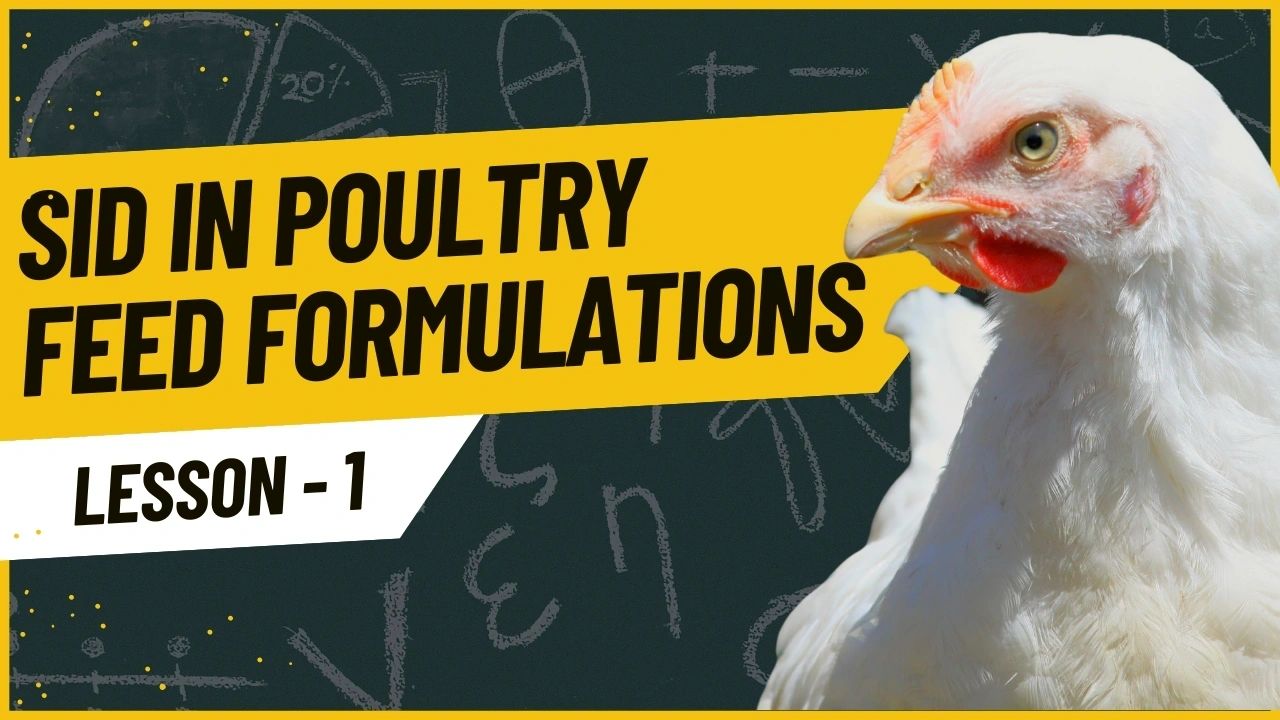
Understanding Standardized Ileal Digestible (SID) Amino Acids in Low-Cost Feed
Standardized Ileal Digestible (SID) amino acids are a critical concept in formulating cost-effective poultry feeds. Here's how SID relates to low-cost feed formulations:
- Definition and Importance: SID refers to the proportion of amino acids that are absorbed by the animal from the diet, after accounting for endogenous losses. This measure is crucial for accurately determining the nutritional value of feed ingredients, ensuring that the dietary needs of broilers are met efficiently without over-supplying amino acids for poultry feed, which can be costly.
- Cost-Effectiveness: By using SID values, feed formulations can be optimized to provide the necessary amino acids in the most efficient manner. This means that less feed is wasted, and the cost of feed can be reduced while still meeting the nutritional requirements of the broilers, like methionine in poultry feed. This is particularly important in low-cost feed formulations where budget constraints are significant.
- Application in Feed Formulation: The SID coefficients are used to calculate the percentage of digestible Amino Acids in Feed in experimental diets. This allows for precise adjustments in the feed composition to ensure that the broilers receive adequate nutrition without unnecessary excess, which can lead to increased feed costs.
- Nutritional Efficiency: Utilizing SID values helps in formulating diets that maximize the nutritional efficiency of the feed. This is especially beneficial in low-cost feed scenarios where the goal is to achieve the best possible growth and performance outcomes at the lowest possible cost.
How did SID affect broiler performance outcomes?
Impact of SID on Broiler Performance Outcomes
Standardized Ileal Digestible (SID) amino acids significantly influence broiler performance outcomes, as highlighted in the study. Here are the key effects:
- Improved Performance in Hot Temperatures: The study found that increasing levels of digestible amino acids improved body weight gain, feed conversion ratio (FCR), and carcass yield for broilers housed in hot temperatures. This suggests that higher SID amino acid levels can mitigate the negative effects of heat stress on broiler performance.
- Differences in Environmental Temperatures: The SID coefficients were higher in cool temperatures (CT) compared to hot temperatures (HT), indicating better amino acid digestibility in cooler environments. This difference in digestibility could lead to variations in performance outcomes based on environmental conditions.
- Optimal Amino Acid Levels: The study identified that diets containing 110 to 120% of the recommended amino acid levels (3.48-3.80 g dLys/Mcal) resulted in optimal performance outcomes for both broiler lines. This range was associated with the best average daily gain (ADG), FCR, and processing yields, demonstrating the importance of precise SID amino acid levels in feed formulations.
- Strain-Specific Responses: The effects of increased digestible amino acid density on feed intake, performance, and processing yield were specific to the broiler strain and grow-out temperature. This indicates that SID amino acid requirements may vary between different broiler lines and environmental conditions, necessitating tailored feed formulations for optimal performance.
In summary, SID amino acids play a crucial role in enhancing broiler performance, particularly under varying environmental conditions. By optimizing SID levels in feed, producers can achieve better growth rates, feed efficiency, and carcass yields, especially in challenging hot climates.
Problem in your flock? Send photos of the birds and droppings on WhatsApp for a first opinion from Dr. Ibne Ali.
WhatsApp: 98715 84101सस्ते feed में Standardized Ileal Digestible (SID) Amino Acids को समझिए
कम खर्च वाला poultry feed बनाने में Standardized Ileal Digestible (SID) amino acids एक बहुत ज़रूरी बात है। SID का सस्ते feed formulation से क्या संबंध है, यह इस तरह समझिए:
- मतलब और अहमियत: SID का मतलब है खुराक में से amino acids का वह हिस्सा जो पशु/पक्षी के शरीर में सोख लिया जाता है, शरीर के अंदर से होने वाले नुकसान (endogenous losses) को घटाने के बाद। Feed के कच्चे माल (ingredients) की असली पोषण कीमत सही-सही पता करने के लिए यह पैमाना बहुत ज़रूरी है, ताकि broiler की पोषण ज़रूरत अच्छे से पूरी हो और poultry feed में ज़रूरत से ज़्यादा amino acids न डाले जाएँ, जो महँगा पड़ सकता है।
- खर्च में बचत: SID values इस्तेमाल करके feed formulation को इस तरह सुधारा जा सकता है कि ज़रूरी amino acids सबसे कुशल तरीके से मिलें। इसका मतलब है कि feed कम बर्बाद होता है, और broiler की पोषण ज़रूरतें (जैसे poultry feed में methionine) पूरी करते हुए भी feed का खर्च घटाया जा सकता है। यह खासकर सस्ते feed formulation में ज़रूरी है, जहाँ बजट की तंगी बड़ी होती है।
- Feed formulation में इस्तेमाल: SID coefficients से प्रयोग वाली खुराकों (experimental diets) में Feed के अंदर पचने लायक Amino Acids का प्रतिशत निकाला जाता है। इससे feed की बनावट में सटीक बदलाव किए जा सकते हैं, ताकि broiler को पूरा पोषण मिले और बेवजह ज़्यादा न हो, क्योंकि ज़्यादा डालने से feed का खर्च बढ़ सकता है।
- पोषण की कुशलता: SID values इस्तेमाल करने से ऐसी खुराक बनाने में मदद मिलती है जो feed की पोषण कुशलता को सबसे ज़्यादा बढ़ाए। यह खासकर सस्ते feed की स्थिति में फ़ायदेमंद है, जहाँ लक्ष्य सबसे कम खर्च में सबसे अच्छी बढ़वार और performance पाना होता है।
SID ने broiler के performance नतीजों पर क्या असर डाला?
Broiler performance नतीजों पर SID का असर
जैसा अध्ययन में बताया गया है, Standardized Ileal Digestible (SID) amino acids broiler के performance नतीजों पर काफ़ी असर डालते हैं। मुख्य असर ये हैं:
- गर्मी में बेहतर performance: अध्ययन में पाया गया कि पचने लायक amino acids का स्तर बढ़ाने से गर्म तापमान में रखे broiler में वज़न बढ़त (body weight gain), feed conversion ratio (FCR), और carcass yield में सुधार हुआ। इससे पता चलता है कि SID amino acids का ऊँचा स्तर broiler performance पर गर्मी के तनाव (heat stress) के बुरे असर को कम कर सकता है।
- वातावरण के तापमान में फ़र्क: SID coefficients ठंडे तापमान (CT) में गर्म तापमान (HT) के मुकाबले ज़्यादा थे, यानी ठंडे वातावरण में amino acids बेहतर पचते हैं। पाचन के इस फ़र्क से वातावरण के हिसाब से performance नतीजों में फ़र्क आ सकता है।
- Amino acids का सबसे सही स्तर: अध्ययन में पाया गया कि सुझाए गए amino acid स्तर के 110 से 120% (3.48-3.80 g dLys/Mcal) वाली खुराक से दोनों broiler lines में सबसे अच्छे performance नतीजे मिले। यही range सबसे अच्छी औसत रोज़ाना बढ़त (ADG), FCR, और processing yield से जुड़ी थी, जो दिखाता है कि feed formulation में SID amino acid का सटीक स्तर कितना ज़रूरी है।
- Strain के हिसाब से अलग असर: पचने लायक amino acid की मात्रा बढ़ाने का feed खाने, performance, और processing yield पर असर broiler के strain और पालन के तापमान के हिसाब से अलग था। इससे पता चलता है कि अलग-अलग broiler lines और वातावरण में SID amino acid की ज़रूरत अलग हो सकती है, इसलिए सबसे अच्छे performance के लिए हालात के हिसाब से feed formulation बनाना ज़रूरी है।
कुल मिलाकर, SID amino acids broiler performance बढ़ाने में बहुत अहम भूमिका निभाते हैं, खासकर बदलते वातावरण में। Feed में SID स्तर को सही करके किसान बेहतर बढ़त, feed efficiency, और carcass yield पा सकते हैं, खासकर मुश्किल गर्म मौसम में।
फ़ार्म में कोई दिक्कत? पक्षियों और बीट की फ़ोटो WhatsApp पर भेजिए, डॉ. इब्ने अली से पहली राय लीजिए।
WhatsApp: 98715 84101Saste feed me Standardized Ileal Digestible (SID) Amino Acids ko samjhiye
Kam kharch wala poultry feed banane me Standardized Ileal Digestible (SID) amino acids ek bahut zaruri cheez hai. SID ka saste feed formulation se kya rishta hai, ye aise samjhiye:
- Matlab aur importance: SID ka matlab hai khuraak me se amino acids ka wo hissa jo bird ke sharir me sokh liya jaata hai, sharir ke andar se hone wale nuksaan (endogenous losses) ko ghatane ke baad. Feed ke ingredients ki asli nutrition value sahi-sahi pata karne ke liye ye paimana bahut zaruri hai, taaki broiler ki nutrition zarurat achhe se poori ho aur poultry feed me zarurat se zyada amino acids na daale jaayein, jo mehenga pad sakta hai.
- Kharch me bachat: SID values use karke feed formulation ko is tarah sudhara ja sakta hai ki zaruri amino acids sabse efficient tareeke se milein. Iska matlab hai ki feed kam barbaad hota hai, aur broiler ki nutrition zaruratein (jaise poultry feed me methionine) poori karte hue bhi feed ka kharch ghataya ja sakta hai. Ye khaas kar saste feed formulation me zaruri hai, jahan budget ki tangi badi hoti hai.
- Feed formulation me use: SID coefficients se experimental diets me Feed ke andar pachne layak Amino Acids ka percentage nikala jaata hai. Isse feed ki banawat me sateek badlav kiye ja sakte hain, taaki broiler ko poora nutrition mile aur bewajah zyada na ho, kyunki zyada daalne se feed ka kharch badh sakta hai.
- Nutrition ki efficiency: SID values use karne se aisi khuraak banane me madad milti hai jo feed ki nutrition efficiency ko sabse zyada badhaye. Ye khaas kar saste feed wali situation me faydemand hai, jahan goal sabse kam kharch me sabse achhi growth aur performance paana hota hai.
SID ne broiler ke performance results par kya asar dala?
Broiler performance results par SID ka asar
Jaisa study me bataya gaya hai, Standardized Ileal Digestible (SID) amino acids broiler ke performance results par kaafi asar daalte hain. Main asar ye hain:
- Garmi me behtar performance: Study me paya gaya ki pachne layak amino acids ka level badhane se garam temperature me rakhe broiler me body weight gain, feed conversion ratio (FCR), aur carcass yield me sudhaar hua. Isse pata chalta hai ki SID amino acids ka ooncha level broiler performance par heat stress ke bure asar ko kam kar sakta hai.
- Mahaul ke temperature me farak: SID coefficients thande temperature (CT) me garam temperature (HT) ke mukable zyada the, yaani thande mahaul me amino acids behtar pachte hain. Pachan ke is farak se mahaul ke hisaab se performance results me farak aa sakta hai.
- Amino acids ka sabse sahi level: Study me paya gaya ki suggest kiye gaye amino acid level ke 110 se 120% (3.48-3.80 g dLys/Mcal) wali khuraak se dono broiler lines me sabse achhe performance results mile. Yahi range sabse achhi average daily gain (ADG), FCR, aur processing yield se judi thi, jo dikhata hai ki feed formulation me SID amino acid ka sateek level kitna zaruri hai.
- Strain ke hisaab se alag asar: Pachne layak amino acid ki matra badhane ka feed khane, performance, aur processing yield par asar broiler ke strain aur palan ke temperature ke hisaab se alag tha. Isse pata chalta hai ki alag-alag broiler lines aur mahaul me SID amino acid ki zarurat alag ho sakti hai, isliye sabse achhe performance ke liye halaat ke hisaab se feed formulation banana zaruri hai.
Kul milakar, SID amino acids broiler performance badhane me bahut bada role nibhate hain, khaas kar badalte mahaul me. Feed me SID level ko sahi karke kisan behtar growth, feed efficiency, aur carcass yield paa sakte hain, khaas kar mushkil garam mausam me.
Farm me koi dikkat? Pakshiyon aur beet ki photo WhatsApp par bhejiye, Dr. Ibne Ali se pehli raay lijiye.
WhatsApp: 98715 84101