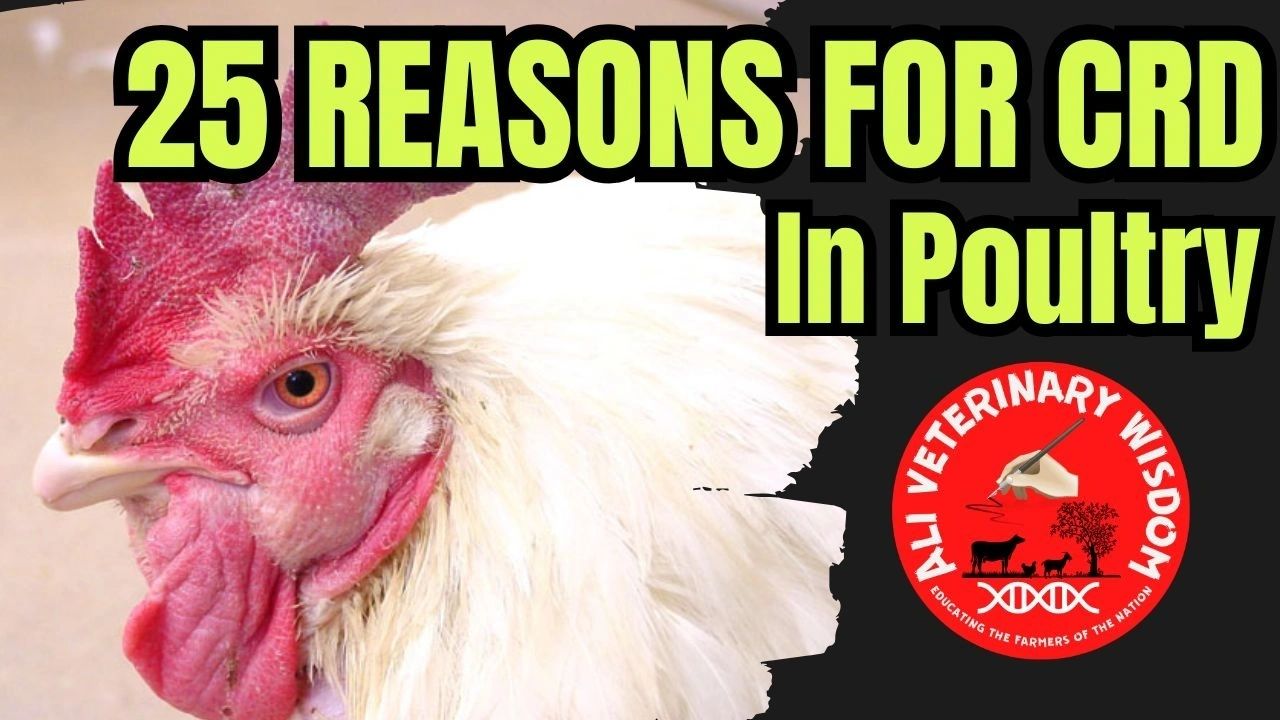
Is Your Flock Gasping? Unmasking the Sneaky Threat of Poultry Respiratory Diseases – crd treatment
Poultry farmers and enthusiasts, are you noticing unusual signs in your flock? Are your birds coughing, sneezing, or showing signs of distress? Respiratory diseases can be a silent saboteur, impacting your flock’s health, productivity, and your bottom line. This comprehensive guide, drawing from the latest information in the sources, will help you understand, identify, and combat these sneaky threats.
Decoding the Distress Signals: Key Respiratory Symptoms
Early detection is key to managing respiratory diseases. Here's what to look for:
- Sinusitis: Facial swelling is often a telltale sign.
- Tracheitis: Be alert for coughing and difficulty breathing, indicating inflammation of the trachea.
- Bronchitis: Watch for signs of distress in the lower respiratory tract.
- Pneumonia: This severe lung infection can lead to significant health issues.
- Airsacculitis: Inflammation of the air sacs is a common symptom of many diseases.
- Conjunctivitis: Redness or swelling around the eyes signals potential trouble.
- Nasal Discharge: Note any unusual discharge from the nostrils.
- Dyspnea: Watch for difficulty breathing in your birds.
The Culprits: Unveiling Diseases that Target Poultry Lungs
Many diseases can trigger respiratory symptoms. Here are some of the main offenders:
- Avian Influenza:
- Low Pathogenic Avian Influenza: Causes a variety of respiratory signs (sinusitis, tracheitis, bronchitis, pneumonia, and airsacculitis).
- Highly Pathogenic Avian Influenza: Can cause sudden death with severe respiratory signs and facial swelling.
- Newcastle Disease:
- Lentogenic Newcastle Disease: Causes respiratory signs, loss of weight, and airsacculitis.
- Mesogenic Newcastle Disease: Results in severe respiratory distress, facial edema, and egg drop.
- Velogenic Newcastle Disease: Leads to severe respiratory disease and high mortality.
- Infectious Bronchitis: This coronavirus causes conjunctivitis, tracheitis, pneumonia, and airsacculitis.
- Quail Bronchitis Virus: Causes severe respiratory signs, conjunctivitis, neurological signs, and hepatitis in quails.
- Fowlpox: Can lead to upper respiratory tract lesions.
- Pacheco's Disease: Psittacines may experience laryngitis, tracheitis, bronchopneumonia, conjunctivitis, and airsacculitis.
- Avian Chlamydiosis: Respiratory signs, conjunctivitis, and airsacculitis in multiple species.
- Bordetellosis: Sinusitis, foamy conjunctivitis, dyspnea, stunting, and tracheitis in turkeys and chickens.
- Ornithobacterium rhinotracheale: Respiratory signs, airsacculitis, greenish diarrhea, tremors, torticollis, and septicemia.
- Duck Septicemia: Respiratory form includes sinusitis, bronchopneumonia, and airsacculitis.
- Chronic Respiratory Disease: This mycoplasma infection results in chronic respiratory issues, sinusitis, keratoconjunctivitis, and airsacculitis.
- Infectious Synovitis: Associated with respiratory signs and airsacculitis.
- Acute Fowl Cholera: Look for facial swelling, conjunctivitis, tracheitis, pneumonia, and airsacculitis.
- Subacute Polyserositis: Causes tracheitis, pneumonia, pleuropneumonia, and airsacculitis.
- Mycoplasmosis (M. meleagridis): Sinusitis, airsacculitis, and reduced hatchability in turkeys.
- Mycoplasmosis (M. iowae): Reduces hatchability and causes airsacculitis.
- Pigeon Herpesvirus infection: Conjunctivitis, nasopharyngitis and necrotic foci in the upper respiratory tract of pigeons.
- Acute and Mild Laryngotracheitis: The acute form causes severe respiratory distress, while the mild form causes mild tracheitis and sinusitis.
- Cryptosporidiosis: Can cause sinusitis, and also has respiratory, gastrointestinal, and renal forms.
- Brooder Pneumonia: Dyspnea, mortality, and nodules in the respiratory tract.
- Syngamus trachea: Causes dyspnea and hemorrhagic tracheitis in gallinaceous birds.
- Duck Reovirosis: Respiratory signs, conjunctivitis, and airsacculitis in Muscovy ducks.
- Excessive Dust: Can cause airsacculitis.
- Live vaccine reaction: Can cause discrete nasal discharge and/or conjunctivitis.
Airsacculitis: The Inflamed Air Sacs
Airsacculitis, inflammation of the air sacs, is a common symptom across many poultry respiratory diseases. It can be caused by various factors:
- Viral Infections: Such as avian influenza, Newcastle disease, infectious bronchitis, quail bronchitis virus, Pacheco’s disease and duck reovirosis.
- Bacterial Infections: Including Ornithobacterium rhinotracheale, Duck septicemia, Acute fowl cholera, and Subacute polyserositis.
- Mycoplasmal Infections: Such as chronic respiratory disease and infectious synovitis.
- Other Infections and Conditions: Including avian chlamydiosis, paratyphoid salmonella, and excessive amounts of dust.
Cracking the Code: Differential Diagnosis
Diagnosing respiratory diseases can be tricky due to overlapping symptoms. The sources offer crucial guidance for differential diagnosis:
- Nasal and Sinus Diseases: Differentiate between causes of nasal discharge, facial swelling, and sinusitis.
- Pharynx, Larynx, Trachea and Bronchi Diseases: Identify causes of lesions and exudates in the upper respiratory tract.
- Lung Diseases: Distinguish between pneumonia, pleuropneumonia, and tumors.
- Airsacculitis: Assess various causes of air sac inflammation.
The Egg-Drop Connection: How Respiratory Diseases Impact Production
Many respiratory diseases can lead to a significant decline in egg production:
- Low Pathogenic Avian Influenza: Egg drop with low mortality.
- Newcastle Disease: Can cause a substantial drop in egg production.
- Infectious Bronchitis: Can also cause significant egg drop.
- Avian Metapneumovirus: Up to 70% egg drop with poor shell quality.
- Chronic Respiratory Disease: Causes egg drop and poor egg quality.
- Infectious Synovitis: Egg drop with eggshell apex abnormalities.
- Acute Fowl Cholera: Can cause an egg drop up to 87%.
- Vitamin A Deficiency: Can lead to egg drop.
- Duck Virus Enteritis: Results in a 25-40% egg drop.
- Mild Form of Laryngotracheitis: Causes a 5-15% egg drop.
- Ochratoxicosis: Can cause egg drop.
- Duck Reovirosis: Causes egg drop.
Protect Your Flock: Prevention and Management Strategies
Respiratory diseases pose a significant threat, but with vigilance and the right strategies, you can protect your flock. Here are some critical steps:
- Early Detection: Regularly monitor your birds for any signs of respiratory distress.
- Biosecurity: Implement strict biosecurity measures to prevent disease introduction.
- Consult a Veterinarian: Seek prompt veterinary advice for accurate diagnosis and effective treatment plans.
The Bottom Line
Respiratory diseases are a serious concern for poultry. By understanding the symptoms, identifying potential causes, and employing preventative measures, you can safeguard your flock's health and productivity. This guide is your first step to keeping your birds healthy and your operation thriving.
By staying informed and proactive, you can protect your poultry from the insidious threat of respiratory diseases. Remember, a healthy flock is a productive flock!
Treatment of CRD (best medicine for crd in poultry)
Almost every poultry farmer gets worried about the respiratory sounds that come from coughing, sneezing, and breathing in their birds. This issue disrupts the peace and productivity of the farm, leaving farmers anxious about when these sounds might turn into something serious like deadly E. coli or CRD. The sounds are caused by mucus in the bird's trachea. In healthy birds, this mucus is like a slightly sticky water that keeps bacteria, viruses, and dust from sticking to the trachea, helping to prevent infections. However, if ventilation is blocked on the farm for any reason and ammonia starts to build up, or if the viral load in the air increases, viruses can begin to adhere to the trachea. This triggers the tracheal cells to produce mucus in larger amounts, which also thickens over time.
Additionally, the trachea can shrink due to inflammatory reactions. Both of these factors hinder airflow into the lungs, leading to wheezing. The bird may jerk its neck, stretch it forward, and struggle to breathe, causing the air to pass over the mucus and create that sound. Several infectious diseases, like LPAI, ND, Infectious Bronchitis, and Mycoplasmosis, can cause wheezing. This situation poses a significant threat to the health of your poultry and your profits, as these diseases can lead to higher mortality rates, reduced egg production, increased feed conversion ratios, and rising medication costs.
At first, the symptoms of CRD are pretty mild, like shortness of breath. You might notice some birds breathing with their mouths open around the farm. If you listen closely, you can hear a crackling and rattling sound. There’s also facial swelling, known as coryza. Unfortunately, these symptoms can lead to mortality. A mix of viruses and bacteria can cause a synergistic infection that shows up as a respiratory disease complex, leading to significant financial losses for farmers. So, getting an accurate diagnosis and treatment is super important. Don’t let CRD wipe out your poultry flock. Try Respoze today for broiler crd treatment .
Respoze is an innovative solution aimed at tackling sound issues related to CRD in poultry. It's really effective at both preventing and treating respiratory sound problems because it thins out the thick mucus in the trachea and helps to open up any narrowed areas. This ultimately smooths out the airflow in the trachea and lessens the sound issues.
Respoze advanced formula comes as a water-soluble liquid that you mix with drinking water. It helps lessen symptoms related to CRD, cuts down on respiratory sounds, aids in lowering mortality rates, boosts the effectiveness of antibiotics, and improves FCR.
Don’t let CRD get in the way of your poultry business. Safeguard your investment and keep your flock healthy with Repoze.
Repoze: an essential supplement for every poultry farm, so make sure to order it today.
Problem in your flock? Send photos of the birds and droppings on WhatsApp for a first opinion from Dr. Ibne Ali.
WhatsApp: 98715 84101क्या आपके पक्षी हाँफ रहे हैं? पोल्ट्री की सांस की बीमारियों के छिपे खतरे को पहचानें – CRD ट्रीटमेंट
पोल्ट्री किसान भाइयों और पोल्ट्री के शौकीनों, क्या आपको अपने पक्षियों में कुछ अजीब लक्षण दिख रहे हैं? क्या आपके पक्षी खाँस रहे हैं, छींक रहे हैं, या परेशानी में दिख रहे हैं? सांस की बीमारियाँ चुपचाप नुकसान करती हैं — ये आपके पक्षियों की सेहत, उत्पादन और आपकी कमाई पर असर डालती हैं। यह पूरी गाइड, स्रोतों में दी गई ताज़ा जानकारी के आधार पर, आपको इन छिपे खतरों को समझने, पहचानने और उनसे लड़ने में मदद करेगी।
परेशानी के संकेत समझें: सांस की बीमारी के मुख्य लक्षण
सांस की बीमारियों को संभालने के लिए जल्दी पहचान सबसे ज़रूरी है। इन चीज़ों पर ध्यान दें:
- Sinusitis (साइनस की सूजन): चेहरे की सूजन अक्सर इसका साफ संकेत होती है।
- Tracheitis (सांस की नली की सूजन): खाँसी और सांस लेने में तकलीफ पर ध्यान दें, यह ट्रेकिया (सांस की नली) की सूजन का संकेत है।
- Bronchitis (ब्रोंकाइटिस): सांस के निचले रास्ते में परेशानी के संकेतों पर नज़र रखें।
- Pneumonia (निमोनिया): फेफड़ों का यह गंभीर इन्फेक्शन सेहत की बड़ी समस्याएँ पैदा कर सकता है।
- Airsacculitis (एयर सैक की सूजन): एयर सैक की सूजन कई बीमारियों का आम लक्षण है।
- Conjunctivitis (आँख आना): आँखों के आसपास लाली या सूजन किसी परेशानी का संकेत है।
- Nasal Discharge (नाक से पानी आना): नथुनों से कोई भी असामान्य स्राव आए तो ध्यान दें।
- Dyspnea (सांस फूलना): अपने पक्षियों में सांस लेने में तकलीफ पर नज़र रखें।
असली दोषी: पोल्ट्री के फेफड़ों पर हमला करने वाली बीमारियाँ
कई बीमारियाँ सांस के लक्षण पैदा कर सकती हैं। ये हैं मुख्य बीमारियाँ:
- Avian Influenza (बर्ड फ्लू):
- Low Pathogenic Avian Influenza: सांस के कई तरह के लक्षण देता है (sinusitis, tracheitis, bronchitis, pneumonia और airsacculitis)।
- Highly Pathogenic Avian Influenza: गंभीर सांस के लक्षणों और चेहरे की सूजन के साथ अचानक मौत कर सकता है।
- Newcastle Disease (रानीखेत):
- Lentogenic Newcastle Disease: सांस के लक्षण, वज़न घटना और airsacculitis करता है।
- Mesogenic Newcastle Disease: सांस की गंभीर तकलीफ, चेहरे पर सूजन (edema) और अंडा उत्पादन में गिरावट करता है।
- Velogenic Newcastle Disease: गंभीर सांस की बीमारी और ज़्यादा mortality करता है।
- Infectious Bronchitis: यह कोरोना वायरस conjunctivitis, tracheitis, pneumonia और airsacculitis करता है।
- Quail Bronchitis Virus: बटेर में गंभीर सांस के लक्षण, conjunctivitis, नसों से जुड़े (neurological) लक्षण और hepatitis करता है।
- Fowlpox (चेचक): सांस के ऊपरी रास्ते में घाव कर सकता है।
- Pacheco's Disease: तोते जैसे पक्षियों (psittacines) में laryngitis, tracheitis, bronchopneumonia, conjunctivitis और airsacculitis हो सकता है।
- Avian Chlamydiosis: कई प्रजातियों में सांस के लक्षण, conjunctivitis और airsacculitis।
- Bordetellosis: टर्की और मुर्गियों में sinusitis, झागदार conjunctivitis, सांस की तकलीफ, बढ़वार रुकना और tracheitis।
- Ornithobacterium rhinotracheale: सांस के लक्षण, airsacculitis, हरे दस्त, कंपकंपी, गर्दन टेढ़ी होना (torticollis) और septicemia।
- Duck Septicemia: इसके सांस वाले रूप में sinusitis, bronchopneumonia और airsacculitis होता है।
- Chronic Respiratory Disease (CRD): यह mycoplasma इन्फेक्शन लंबे समय तक सांस की समस्या, sinusitis, keratoconjunctivitis और airsacculitis करता है।
- Infectious Synovitis: सांस के लक्षणों और airsacculitis से जुड़ा है।
- Acute Fowl Cholera: चेहरे की सूजन, conjunctivitis, tracheitis, pneumonia और airsacculitis देखें।
- Subacute Polyserositis: tracheitis, pneumonia, pleuropneumonia और airsacculitis करता है।
- Mycoplasmosis (M. meleagridis): टर्की में sinusitis, airsacculitis और hatchability में कमी।
- Mycoplasmosis (M. iowae): hatchability घटाता है और airsacculitis करता है।
- Pigeon Herpesvirus infection: कबूतरों में conjunctivitis, nasopharyngitis और सांस के ऊपरी रास्ते में necrotic foci (मरे हुए ऊतक के धब्बे)।
- Acute और Mild Laryngotracheitis: तेज़ (acute) रूप में सांस की गंभीर तकलीफ होती है, जबकि हल्के (mild) रूप में हल्का tracheitis और sinusitis होता है।
- Cryptosporidiosis: sinusitis कर सकता है, और इसके सांस, पेट-आंत और किडनी वाले रूप भी होते हैं।
- Brooder Pneumonia: सांस की तकलीफ, mortality और सांस के रास्ते में गाँठें (nodules)।
- Syngamus trachea: मुर्गी जाति के पक्षियों में सांस की तकलीफ और खून वाला tracheitis करता है।
- Duck Reovirosis: Muscovy बत्तखों में सांस के लक्षण, conjunctivitis और airsacculitis।
- ज़्यादा धूल: airsacculitis कर सकती है।
- Live vaccine का रिएक्शन: हल्का नाक से पानी आना और/या conjunctivitis कर सकता है।
Airsacculitis: एयर सैक की सूजन
Airsacculitis, यानी एयर सैक की सूजन, पोल्ट्री की कई सांस की बीमारियों में दिखने वाला आम लक्षण है। इसके कई कारण हो सकते हैं:
- वायरल इन्फेक्शन: जैसे avian influenza, Newcastle disease, infectious bronchitis, quail bronchitis virus, Pacheco’s disease और duck reovirosis।
- बैक्टीरियल इन्फेक्शन: जिनमें Ornithobacterium rhinotracheale, Duck septicemia, Acute fowl cholera और Subacute polyserositis शामिल हैं।
- Mycoplasma इन्फेक्शन: जैसे chronic respiratory disease और infectious synovitis।
- दूसरे इन्फेक्शन और हालात: जिनमें avian chlamydiosis, paratyphoid salmonella और बहुत ज़्यादा धूल शामिल है।
पहेली सुलझाएँ: Differential Diagnosis (मिलती-जुलती बीमारियों में फर्क)
लक्षण एक-दूसरे से मिलते-जुलते होने की वजह से सांस की बीमारियों की पहचान मुश्किल हो सकती है। स्रोत differential diagnosis के लिए ज़रूरी मार्गदर्शन देते हैं:
- नाक और साइनस की बीमारियाँ: नाक से पानी, चेहरे की सूजन और sinusitis के अलग-अलग कारणों में फर्क करें।
- गला (Pharynx, Larynx), ट्रेकिया और ब्रोंकाई की बीमारियाँ: सांस के ऊपरी रास्ते में घाव और स्राव (exudate) के कारण पहचानें।
- फेफड़ों की बीमारियाँ: pneumonia, pleuropneumonia और ट्यूमर में फर्क करें।
- Airsacculitis: एयर सैक की सूजन के अलग-अलग कारणों की जाँच करें।
अंडा उत्पादन से संबंध: सांस की बीमारियाँ उत्पादन पर कैसे असर डालती हैं
कई सांस की बीमारियों से अंडा उत्पादन में भारी गिरावट आ सकती है:
- Low Pathogenic Avian Influenza: कम mortality के साथ अंडा उत्पादन में गिरावट।
- Newcastle Disease: अंडा उत्पादन में बड़ी गिरावट कर सकता है।
- Infectious Bronchitis: यह भी अंडा उत्पादन में बड़ी गिरावट कर सकता है।
- Avian Metapneumovirus: खराब छिलके के साथ 70% तक अंडा उत्पादन में गिरावट।
- Chronic Respiratory Disease: अंडा उत्पादन में गिरावट और अंडे की खराब क्वालिटी।
- Infectious Synovitis: अंडे के नुकीले सिरे (apex) के छिलके में खराबी के साथ अंडा उत्पादन में गिरावट।
- Acute Fowl Cholera: 87% तक अंडा उत्पादन गिरा सकता है।
- Vitamin A की कमी: अंडा उत्पादन में गिरावट ला सकती है।
- Duck Virus Enteritis: 25-40% अंडा उत्पादन में गिरावट।
- Laryngotracheitis का हल्का रूप: 5-15% अंडा उत्पादन में गिरावट।
- Ochratoxicosis: अंडा उत्पादन गिरा सकता है।
- Duck Reovirosis: अंडा उत्पादन में गिरावट करता है।
अपने पक्षियों को बचाएँ: रोकथाम और मैनेजमेंट के तरीके
सांस की बीमारियाँ बड़ा खतरा हैं, लेकिन सतर्कता और सही तरीकों से आप अपने पक्षियों को बचा सकते हैं। ये हैं कुछ ज़रूरी कदम:
- जल्दी पहचान: अपने पक्षियों में सांस की तकलीफ के किसी भी संकेत पर नियमित नज़र रखें।
- बायोसिक्योरिटी: बीमारी को फार्म में आने से रोकने के लिए सख्त बायोसिक्योरिटी अपनाएँ।
- पशु चिकित्सक से सलाह लें: सही पहचान और असरदार इलाज के लिए तुरंत वेटरनरी डॉक्टर की सलाह लें।
सीधी बात
सांस की बीमारियाँ पोल्ट्री के लिए गंभीर चिंता हैं। लक्षणों को समझकर, संभावित कारणों को पहचानकर और रोकथाम के उपाय अपनाकर आप अपने पक्षियों की सेहत और उत्पादन को सुरक्षित रख सकते हैं। यह गाइड आपके पक्षियों को स्वस्थ और आपके फार्म को फलता-फूलता रखने की तरफ पहला कदम है।
जानकारी रखकर और पहले से तैयार रहकर आप अपने पोल्ट्री को सांस की बीमारियों के छिपे खतरे से बचा सकते हैं। याद रखें, स्वस्थ पक्षी ही अच्छा उत्पादन देते हैं!
CRD का इलाज (best medicine for crd in poultry)
लगभग हर पोल्ट्री किसान अपने पक्षियों की खाँसी, छींक और सांस से आने वाली आवाज़ों (खरखराहट) से परेशान हो जाता है। यह समस्या फार्म का सुकून और उत्पादन दोनों बिगाड़ देती है, और किसान चिंता में रहते हैं कि कब ये आवाज़ें जानलेवा E. coli या CRD जैसी किसी गंभीर चीज़ में बदल जाएँ। ये आवाज़ें पक्षी की ट्रेकिया (सांस की नली) में बलगम (mucus) की वजह से आती हैं। स्वस्थ पक्षियों में यह बलगम थोड़े चिपचिपे पानी जैसा होता है, जो बैक्टीरिया, वायरस और धूल को ट्रेकिया पर चिपकने नहीं देता और इन्फेक्शन से बचाता है। लेकिन अगर किसी वजह से फार्म में वेंटिलेशन रुक जाए और अमोनिया जमा होने लगे, या हवा में वायरस का लोड बढ़ जाए, तो वायरस ट्रेकिया पर चिपकने लगते हैं। इससे ट्रेकिया की कोशिकाएँ ज़्यादा मात्रा में बलगम बनाने लगती हैं, जो समय के साथ गाढ़ा भी हो जाता है।
इसके अलावा, सूजन की वजह से ट्रेकिया सिकुड़ भी सकती है। ये दोनों चीज़ें फेफड़ों तक हवा जाने में रुकावट डालती हैं, जिससे घरघराहट (wheezing) होती है। पक्षी गर्दन झटक सकता है, उसे आगे खींच सकता है, और सांस लेने के लिए जूझता है, जिससे हवा बलगम के ऊपर से गुज़रती है और वह आवाज़ बनती है। LPAI, ND, Infectious Bronchitis और Mycoplasmosis जैसी कई इन्फेक्शन वाली बीमारियाँ घरघराहट कर सकती हैं। यह हालत आपके पोल्ट्री की सेहत और आपके मुनाफे के लिए बड़ा खतरा है, क्योंकि इन बीमारियों से mortality बढ़ सकती है, अंडा उत्पादन घट सकता है, feed conversion ratio (FCR) बढ़ सकता है और दवाइयों का खर्च बढ़ता जाता है।
शुरू में CRD के लक्षण काफी हल्के होते हैं, जैसे सांस फूलना। आपको फार्म में कुछ पक्षी चोंच खोलकर सांस लेते दिख सकते हैं। ध्यान से सुनें तो चटकने और खरखराने की आवाज़ सुनाई देती है। चेहरे पर सूजन भी होती है, जिसे coryza कहते हैं। दुर्भाग्य से, इन लक्षणों से mortality हो सकती है। वायरस और बैक्टीरिया मिलकर एक साथ (synergistic) इन्फेक्शन कर सकते हैं, जो respiratory disease complex के रूप में सामने आता है और किसानों को भारी आर्थिक नुकसान होता है। इसलिए सही पहचान और इलाज बहुत ज़रूरी है। CRD को अपने पोल्ट्री फ्लॉक को खत्म मत करने दीजिए। ब्रॉयलर में CRD के इलाज के लिए आज ही Respoze आज़माएँ।
Respoze एक नया समाधान है, जो पोल्ट्री में CRD से जुड़ी आवाज़ (खरखराहट) की समस्या से निपटने के लिए बनाया गया है। यह सांस की आवाज़ की समस्या को रोकने और ठीक करने, दोनों में बहुत असरदार है, क्योंकि यह ट्रेकिया के गाढ़े बलगम को पतला करता है और सिकुड़े हुए हिस्सों को खोलने में मदद करता है। इससे आखिरकार ट्रेकिया में हवा का बहाव आसान होता है और आवाज़ की समस्या कम होती है।
Respoze का एडवांस फॉर्मूला पानी में घुलने वाले लिक्विड के रूप में आता है, जिसे पीने के पानी में मिलाया जाता है। यह CRD से जुड़े लक्षणों को कम करता है, सांस की आवाज़ घटाता है, mortality कम करने में मदद करता है, एंटीबायोटिक का असर बढ़ाता है और FCR सुधारता है।
CRD को अपने पोल्ट्री बिज़नेस के रास्ते में मत आने दीजिए। Repoze के साथ अपने निवेश को सुरक्षित रखें और अपने पक्षियों को स्वस्थ रखें।
Repoze: हर पोल्ट्री फार्म के लिए एक ज़रूरी सप्लीमेंट, इसलिए आज ही ऑर्डर करें।
फ़ार्म में कोई दिक्कत? पक्षियों और बीट की फ़ोटो WhatsApp पर भेजिए, डॉ. इब्ने अली से पहली राय लीजिए।
WhatsApp: 98715 84101Kya Aapke Birds Haanf Rahe Hain? Poultry ki Saans ki Bimariyon ke Chhupe Khatre ko Pehchano – CRD treatment
Poultry farmer bhaiyon aur poultry ke shaukeen doston, kya aapko apne flock me kuch ajeeb lakshan dikh rahe hain? Kya aapke birds khaans rahe hain, chheenk rahe hain, ya pareshaan dikh rahe hain? Saans ki bimariyan chupchaap nuksan karti hain — ye aapke birds ki sehat, production aur aapki kamai par asar daalti hain. Ye poori guide, sources me di gayi latest jaankari ke base par, aapko in chhupe khatron ko samajhne, pehchanne aur inse ladne me madad karegi.
Pareshani ke Signal Samjho: Saans ki Bimari ke Main Lakshan
Saans ki bimariyon ko sambhalne ke liye jaldi pehchan sabse zaroori hai. In cheezon par dhyan do:
- Sinusitis: Chehre ki sujan aksar iska saaf signal hoti hai.
- Tracheitis: Khaansi aur saans lene me takleef par dhyan do, ye trachea (saans ki nali) ki sujan ka signal hai.
- Bronchitis: Saans ke neeche wale raaste me pareshani ke signal par nazar rakho.
- Pneumonia: Phephdon ka ye serious infection sehat ki badi problems kar sakta hai.
- Airsacculitis: Air sac ki sujan kai bimariyon ka common lakshan hai.
- Conjunctivitis: Aankhon ke aas-paas laali ya sujan kisi problem ka signal hai.
- Nasal Discharge: Naak se koi bhi ajeeb paani ya discharge aaye to note karo.
- Dyspnea: Apne birds me saans lene me takleef par nazar rakho.
Asli Dushman: Poultry ke Phephdon par Attack Karne wali Bimariyan
Kai bimariyan saans ke lakshan de sakti hain. Ye rahi main bimariyan:
- Avian Influenza (bird flu):
- Low Pathogenic Avian Influenza: Saans ke kai tarah ke lakshan deta hai (sinusitis, tracheitis, bronchitis, pneumonia aur airsacculitis).
- Highly Pathogenic Avian Influenza: Serious saans ke lakshan aur chehre ki sujan ke saath achanak maut kar sakta hai.
- Newcastle Disease (Ranikhet):
- Lentogenic Newcastle Disease: Saans ke lakshan, wazan ghatna aur airsacculitis karta hai.
- Mesogenic Newcastle Disease: Saans ki serious takleef, chehre par sujan (edema) aur egg drop karta hai.
- Velogenic Newcastle Disease: Serious saans ki bimari aur high mortality karta hai.
- Infectious Bronchitis: Ye coronavirus conjunctivitis, tracheitis, pneumonia aur airsacculitis karta hai.
- Quail Bronchitis Virus: Bater me serious saans ke lakshan, conjunctivitis, neurological lakshan aur hepatitis karta hai.
- Fowlpox (chechak): Saans ke upar wale raaste me ghaav kar sakta hai.
- Pacheco's Disease: Tote jaise pakshiyon (psittacines) me laryngitis, tracheitis, bronchopneumonia, conjunctivitis aur airsacculitis ho sakta hai.
- Avian Chlamydiosis: Kai species me saans ke lakshan, conjunctivitis aur airsacculitis.
- Bordetellosis: Turkey aur murgiyon me sinusitis, jhaagdaar conjunctivitis, saans ki takleef, growth rukna aur tracheitis.
- Ornithobacterium rhinotracheale: Saans ke lakshan, airsacculitis, hare dast, kampkampi, gardan tedhi hona (torticollis) aur septicemia.
- Duck Septicemia: Iske saans wale form me sinusitis, bronchopneumonia aur airsacculitis hota hai.
- Chronic Respiratory Disease (CRD): Ye mycoplasma infection lambe time tak saans ki problem, sinusitis, keratoconjunctivitis aur airsacculitis karta hai.
- Infectious Synovitis: Saans ke lakshan aur airsacculitis se juda hai.
- Acute Fowl Cholera: Chehre ki sujan, conjunctivitis, tracheitis, pneumonia aur airsacculitis dekho.
- Subacute Polyserositis: Tracheitis, pneumonia, pleuropneumonia aur airsacculitis karta hai.
- Mycoplasmosis (M. meleagridis): Turkey me sinusitis, airsacculitis aur hatchability me kami.
- Mycoplasmosis (M. iowae): Hatchability ghatata hai aur airsacculitis karta hai.
- Pigeon Herpesvirus infection: Kabutaron me conjunctivitis, nasopharyngitis aur saans ke upar wale raaste me necrotic foci.
- Acute aur Mild Laryngotracheitis: Acute form me saans ki serious takleef hoti hai, jabki mild form me halka tracheitis aur sinusitis hota hai.
- Cryptosporidiosis: Sinusitis kar sakta hai, aur iske saans, pet-aant aur kidney wale form bhi hote hain.
- Brooder Pneumonia: Saans ki takleef, mortality aur saans ke raaste me gaanthein (nodules).
- Syngamus trachea: Murgi jaati ke pakshiyon me saans ki takleef aur khoon wala tracheitis karta hai.
- Duck Reovirosis: Muscovy battakhon me saans ke lakshan, conjunctivitis aur airsacculitis.
- Zyada Dhool: Airsacculitis kar sakti hai.
- Live vaccine ka reaction: Halka naak se paani aana aur/ya conjunctivitis kar sakta hai.
Airsacculitis: Air Sac ki Sujan
Airsacculitis, yaani air sac ki sujan, poultry ki kai saans ki bimariyon me dikhne wala common lakshan hai. Iske kai kaaran ho sakte hain:
- Viral Infection: Jaise avian influenza, Newcastle disease, infectious bronchitis, quail bronchitis virus, Pacheco’s disease aur duck reovirosis.
- Bacterial Infection: Jinme Ornithobacterium rhinotracheale, Duck septicemia, Acute fowl cholera aur Subacute polyserositis shaamil hain.
- Mycoplasma Infection: Jaise chronic respiratory disease aur infectious synovitis.
- Doosre Infection aur Halaat: Jinme avian chlamydiosis, paratyphoid salmonella aur bahut zyada dhool shaamil hai.
Paheli Suljhao: Differential Diagnosis
Lakshan aapas me milte-julte hone ki wajah se saans ki bimariyon ki pehchan mushkil ho sakti hai. Sources differential diagnosis ke liye zaroori guidance dete hain:
- Naak aur Sinus ki Bimariyan: Naak se paani, chehre ki sujan aur sinusitis ke alag-alag kaaranon me fark karo.
- Pharynx, Larynx, Trachea aur Bronchi ki Bimariyan: Saans ke upar wale raaste me ghaav aur exudate ke kaaran pehchano.
- Phephdon ki Bimariyan: Pneumonia, pleuropneumonia aur tumor me fark karo.
- Airsacculitis: Air sac ki sujan ke alag-alag kaaranon ko check karo.
Egg Drop se Connection: Saans ki Bimariyan Production par Kaise Asar Daalti Hain
Kai saans ki bimariyon se egg production me bhaari girawat aa sakti hai:
- Low Pathogenic Avian Influenza: Kam mortality ke saath egg drop.
- Newcastle Disease: Egg production me badi girawat kar sakta hai.
- Infectious Bronchitis: Ye bhi bada egg drop kar sakta hai.
- Avian Metapneumovirus: Kharab chhilke ke saath 70% tak egg drop.
- Chronic Respiratory Disease: Egg drop aur ande ki kharab quality.
- Infectious Synovitis: Ande ke nukile sire (apex) ke chhilke me kharabi ke saath egg drop.
- Acute Fowl Cholera: 87% tak egg drop kar sakta hai.
- Vitamin A ki Kami: Egg drop la sakti hai.
- Duck Virus Enteritis: 25-40% egg drop.
- Laryngotracheitis ka Mild Form: 5-15% egg drop.
- Ochratoxicosis: Egg drop kar sakta hai.
- Duck Reovirosis: Egg drop karta hai.
Apne Flock ko Bachao: Bachaav aur Management ke Tarike
Saans ki bimariyan bada khatra hain, lekin alert rehkar aur sahi tarikon se aap apne flock ko bacha sakte ho. Ye rahe kuch zaroori steps:
- Jaldi Pehchan: Apne birds me saans ki takleef ke kisi bhi signal par regular nazar rakho.
- Biosecurity: Bimari ko farm me aane se rokne ke liye sakht biosecurity apnao.
- Vet Doctor se Salah Lo: Sahi diagnosis aur asardaar treatment ke liye turant veterinary doctor ki salah lo.
Seedhi Baat
Saans ki bimariyan poultry ke liye serious chinta hain. Lakshan samajhkar, sambhavit kaaran pehchankar aur bachaav ke upay apnakar aap apne flock ki sehat aur production ko safe rakh sakte ho. Ye guide aapke birds ko healthy aur aapke farm ko aage badhta rakhne ki taraf pehla kadam hai.
Jaankari rakhkar aur pehle se tayyar rehkar aap apne poultry ko saans ki bimariyon ke chhupe khatre se bacha sakte ho. Yaad rakho, healthy flock hi productive flock hota hai!
CRD ka Treatment (best medicine for crd in poultry)
Lagbhag har poultry farmer apne birds ki khaansi, chheenk aur saans se aane wali awaazon (kharkhar) se pareshaan ho jaata hai. Ye problem farm ka sukoon aur production dono bigaad deti hai, aur farmer tension me rehte hain ki kab ye awaazein jaanleva E. coli ya CRD jaisi kisi serious cheez me badal jaayein. Ye awaazein bird ki trachea (saans ki nali) me mucus (balgam) ki wajah se aati hain. Healthy birds me ye mucus thode chipchipe paani jaisa hota hai, jo bacteria, virus aur dhool ko trachea par chipakne nahi deta aur infection se bachata hai. Lekin agar kisi wajah se farm me ventilation ruk jaaye aur ammonia jama hone lage, ya hawa me virus ka load badh jaaye, to virus trachea par chipakne lagte hain. Isse trachea ke cells zyada mucus banane lagte hain, jo time ke saath gaadha bhi ho jaata hai.
Iske alawa, sujan ki wajah se trachea sikud bhi sakti hai. Ye dono cheezein phephdon tak hawa jaane me rukawat daalti hain, jisse wheezing (gharghar) hoti hai. Bird gardan jhatak sakta hai, use aage kheench sakta hai, aur saans lene ke liye joojhta hai, jisse hawa mucus ke upar se guzarti hai aur wo awaaz banti hai. LPAI, ND, Infectious Bronchitis aur Mycoplasmosis jaisi kai infectious bimariyan wheezing kar sakti hain. Ye halat aapke poultry ki sehat aur aapke profit ke liye bada khatra hai, kyunki in bimariyon se mortality badh sakti hai, egg production ghat sakta hai, feed conversion ratio (FCR) badh sakta hai aur dawai ka kharcha badhta jaata hai.
Shuru me CRD ke lakshan kaafi halke hote hain, jaise saans phoolna. Farm me kuch birds chonch khol kar saans lete dikh sakte hain. Dhyan se suno to chatakne aur kharkharane ki awaaz sunai deti hai. Chehre par sujan bhi hoti hai, jise coryza kehte hain. Afsos ki baat hai ki in lakshanon se mortality ho sakti hai. Virus aur bacteria milkar ek saath (synergistic) infection kar sakte hain, jo respiratory disease complex ke roop me saamne aata hai aur farmers ko bhaari aarthik nuksan hota hai. Isliye sahi diagnosis aur treatment bahut zaroori hai. CRD ko apna poultry flock khatam mat karne do. Broiler CRD treatment ke liye aaj hi Respoze try karo.
Respoze ek naya solution hai, jo poultry me CRD se judi awaaz (kharkhar) ki problem se nipatne ke liye banaya gaya hai. Ye saans ki awaaz ki problem ko rokne aur theek karne dono me bahut asardaar hai, kyunki ye trachea ke gaadhe mucus ko patla karta hai aur sikude hue hisson ko kholne me madad karta hai. Isse aakhir me trachea me hawa ka flow smooth hota hai aur awaaz ki problem kam hoti hai.
Respoze ka advanced formula paani me ghulne wale liquid ke roop me aata hai, jise peene ke paani me milaya jaata hai. Ye CRD se jude lakshan kam karta hai, saans ki awaaz ghatata hai, mortality kam karne me madad karta hai, antibiotic ka asar badhata hai aur FCR sudharta hai.
CRD ko apne poultry business ke raaste me mat aane do. Repoze ke saath apna investment safe rakho aur apne flock ko healthy rakho.
Repoze: har poultry farm ke liye ek zaroori supplement, isliye aaj hi order karo.
Farm me koi dikkat? Pakshiyon aur beet ki photo WhatsApp par bhejiye, Dr. Ibne Ali se pehli raay lijiye.
WhatsApp: 98715 84101