भाषा:
By Dr. Ibne Ali, IMN PyrophosUpdated October 20263 min read
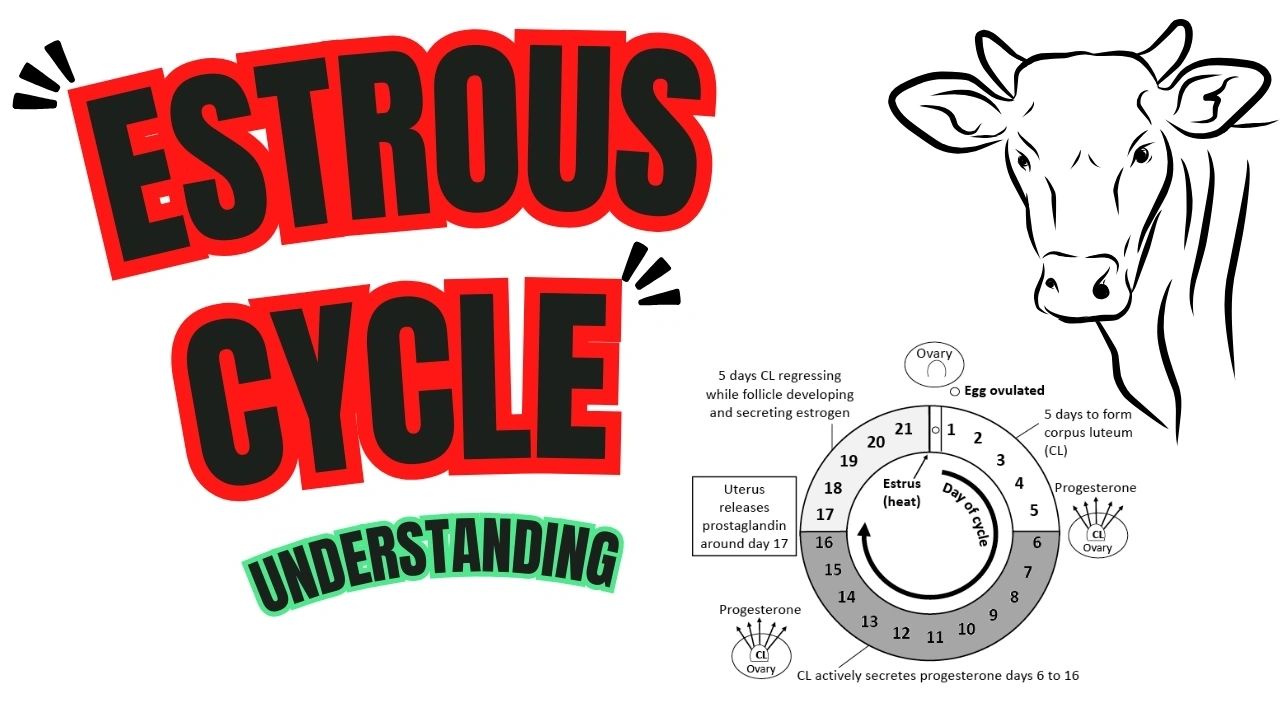
- Bidirectional Communication: There is a precise interplay between the ovary and the hypothalamus-pituitary axis in oestrous cycle . The anterior pituitary directly influences ovarian functions such as folliculogenesis, follicular maturation, ovulation, and corpus luteum (CL) formation. Conversely, the ovary affects the hypothalamus and anterior pituitary, primarily through hormones like oestradiol and progesterone.
- Hormonal Mediation: In oestrous cycle Oestradiol, produced by maturing follicles, and progesterone, produced by the CL, are key mediators in this interaction. These hormones exert feedback effects on the hypothalamus and pituitary, influencing the secretion of gonadotrophins like FSH and LH.
- Feedback Mechanisms: The episodic/tonic hypothalamic release center is influenced by the negative feedback of oestradiol (below threshold levels) and progesterone. Progesterone, in particular, has a profound negative effect on both the tonic and surge centers, which is especially significant in ruminants like cows, ewes, and sows.
- Role of Inhibin and Other Peptides: Inhibin, produced by granulosa cells of large antral follicles, plays a crucial role in suppressing FSH secretion. It has a longer half-life and sets the overall level of negative feedback. Oestradiol, on the other hand, is responsible for day-to-day fluctuations in FSH levels. Additionally, activin and follistatin, other peptide hormones from ovarian follicular fluid, respectively stimulate and suppress FSH secretion. These hormones also have intraovarian functions, such as promoting follicle growth and modulating steroid production.
- Complex Regulation: The regulation of FSH and LH secretion involves a complex interplay of hormones and feedback mechanisms, ensuring precise control over the reproductive cycle. This intricate system highlights the importance of hormonal balance in reproductive health and function.
Hormonal Feedback and Gonadotrophin Regulation in Farm Animals
- Positive Feedback of Oestradiol: In farm animals, the positive feedback effect of oestradiol on hypothalamic-pituitary function is crucial. The preovulatory surge of oestradiol stimulates the release of luteinizing hormone (LH), which is essential for ovulation and corpus luteum (CL) formation.
- Influence of Ovarian Steroids on GnRH Response: The anterior pituitary's response to gonadotropin-releasing hormone (GnRH) is modulated by ovarian steroid levels. There is increased responsiveness when progesterone levels decline and oestradiol levels rise, enhancing the release of LH.
- Self-Regulatory Mechanisms: There are likely self-regulatory mechanisms within the anterior pituitary and hypothalamus that control gonadotrophin secretion. These mechanisms ensure the precise regulation of hormone release.
- Pulsatile Release of Gonadotrophins: Gonadotrophins, particularly LH, are released in a pulsatile manner rather than at a steady rate. This pulsatile release is in response to similar pulsatile GnRH release from the hypothalamus.
- Negative Feedback of Progesterone and Oestradiol: Progesterone mediates its negative feedback by reducing the pulse frequency of gonadotrophin release, while oestradiol reduces pulse amplitude. This feedback regulation is crucial for maintaining hormonal balance.
- Cyclical Activity and Increased Pulse Frequency: The onset of cyclical activity, such as after parturition, at puberty, or at the start of the breeding season, is associated with increased pulse frequency of tonic gonadotrophin secretion. For instance, the presence of a ram with ewes before the breeding season increases the frequency of pulsatile LH release, stimulating ovarian cyclical activity.
Problem in your flock? Send photos of the birds and droppings on WhatsApp for a first opinion from Dr. Ibne Ali.
WhatsApp: 98715 84101लेखक डॉ. इब्ने अली, IMN Pyrophosअपडेट: अक्टूबर 20263 मिनट में पढ़ें
- दोनों तरफ़ से बातचीत: मद चक्र (oestrous cycle) में अंडाशय (ovary) और hypothalamus-pituitary axis के बीच बहुत सटीक तालमेल होता है। Anterior pituitary सीधे अंडाशय के कामों पर असर डालती है, जैसे folliculogenesis (follicle बनना), follicle का पकना, ovulation (अंडा छूटना), और corpus luteum (CL) बनना। उल्टी तरफ़, अंडाशय भी hypothalamus और anterior pituitary पर असर डालता है, मुख्य रूप से oestradiol और progesterone जैसे hormones के ज़रिए।
- Hormones के ज़रिए असर: मद चक्र में पकते हुए follicles से बनने वाला oestradiol और CL से बनने वाला progesterone इस तालमेल के मुख्य माध्यम हैं। ये hormones hypothalamus और pituitary पर feedback असर डालते हैं, जिससे FSH और LH जैसे gonadotrophins का स्राव प्रभावित होता है।
- Feedback के तरीके: Hypothalamus का episodic/tonic स्राव केंद्र oestradiol (threshold से कम स्तर पर) और progesterone के negative feedback से प्रभावित होता है। खासकर progesterone का tonic और surge दोनों केंद्रों पर गहरा negative असर होता है, जो गाय, भेड़ (ewe) और सूअरी (sow) जैसे पशुओं में खास तौर पर अहम है।
- Inhibin और दूसरे peptides की भूमिका: बड़े antral follicles की granulosa cells से बनने वाला inhibin, FSH के स्राव को दबाने में अहम भूमिका निभाता है। इसकी half-life लंबी होती है और यह negative feedback का कुल स्तर तय करता है। वहीं oestradiol, FSH के स्तर में रोज़-रोज़ के उतार-चढ़ाव के लिए ज़िम्मेदार है। इसके अलावा, अंडाशय के follicular fluid से आने वाले दूसरे peptide hormones activin और follistatin, क्रमशः FSH के स्राव को बढ़ाते और दबाते हैं। इन hormones के अंडाशय के अंदर भी काम होते हैं, जैसे follicle की बढ़वार को बढ़ावा देना और steroid बनने को नियंत्रित करना।
- जटिल नियंत्रण: FSH और LH के स्राव का नियंत्रण hormones और feedback तरीकों के जटिल तालमेल से होता है, जिससे प्रजनन चक्र पर सटीक नियंत्रण बना रहता है। यह बारीक सिस्टम दिखाता है कि प्रजनन की सेहत और काम के लिए hormones का संतुलन कितना ज़रूरी है।
फार्म पशुओं में hormones का feedback और gonadotrophin का नियंत्रण
- Oestradiol का positive feedback: फार्म पशुओं में hypothalamus-pituitary के काम पर oestradiol का positive feedback असर बहुत अहम है। Ovulation से पहले oestradiol का अचानक बढ़ना (preovulatory surge) luteinizing hormone (LH) को छोड़ने के लिए उकसाता है, जो ovulation और corpus luteum (CL) बनने के लिए ज़रूरी है।
- GnRH के जवाब पर अंडाशय के steroids का असर: Gonadotropin-releasing hormone (GnRH) के प्रति anterior pituitary का जवाब अंडाशय के steroid स्तरों से तय होता है। जब progesterone का स्तर गिरता है और oestradiol का स्तर बढ़ता है, तो pituitary ज़्यादा जवाब देती है, जिससे LH ज़्यादा छूटता है।
- खुद को नियंत्रित करने वाले तरीके: Anterior pituitary और hypothalamus के अंदर शायद ऐसे self-regulatory तरीके हैं जो gonadotrophin के स्राव को नियंत्रित करते हैं। ये तरीके hormone के छूटने का सटीक नियंत्रण पक्का करते हैं।
- Gonadotrophins का धड़कन की तरह (pulsatile) छूटना: Gonadotrophins, खासकर LH, एक समान रफ़्तार से नहीं बल्कि धड़कन की तरह रुक-रुक कर (pulsatile) छूटते हैं। यह pulsatile छूटना hypothalamus से उसी तरह रुक-रुक कर छूटने वाले GnRH के जवाब में होता है।
- Progesterone और oestradiol का negative feedback: Progesterone, gonadotrophin छूटने की pulse frequency (कितनी बार) घटाकर अपना negative feedback देता है, जबकि oestradiol pulse amplitude (कितनी ज़ोर से) घटाता है। Hormones का संतुलन बनाए रखने के लिए यह feedback नियंत्रण बहुत ज़रूरी है।
- चक्र की शुरुआत और बढ़ी हुई pulse frequency: चक्र वाली गतिविधि की शुरुआत, जैसे ब्याने के बाद, जवानी (puberty) में, या breeding season की शुरुआत में, tonic gonadotrophin स्राव की pulse frequency बढ़ जाती है। उदाहरण के लिए, breeding season से पहले भेड़ों (ewes) के साथ मेढ़ा (ram) रखने से LH के pulsatile छूटने की frequency बढ़ती है, जिससे अंडाशय की चक्र वाली गतिविधि शुरू होती है।
फ़ार्म में कोई दिक्कत? पक्षियों और बीट की फ़ोटो WhatsApp पर भेजिए, डॉ. इब्ने अली से पहली राय लीजिए।
WhatsApp: 98715 84101Lekhak Dr. Ibne Ali, IMN PyrophosUpdate: October 20263 minute me padhein
- Dono taraf se baatcheet: Heat chakra (oestrous cycle) me andashay (ovary) aur hypothalamus-pituitary axis ke beech bahut sateek taalmel hota hai. Anterior pituitary seedhe ovary ke kaamon par asar daalti hai, jaise folliculogenesis (follicle banna), follicle ka pakna, ovulation (anda chhootna), aur corpus luteum (CL) banna. Ulti taraf, ovary bhi hypothalamus aur anterior pituitary par asar daalti hai, mainly oestradiol aur progesterone jaise hormones ke zariye.
- Hormones ke zariye asar: Heat chakra me pakte hue follicles se banne wala oestradiol aur CL se banne wala progesterone is taalmel ke main madhyam hain. Ye hormones hypothalamus aur pituitary par feedback asar daalte hain, jisse FSH aur LH jaise gonadotrophins ka secretion prabhavit hota hai.
- Feedback ke tareeke: Hypothalamus ka episodic/tonic release center oestradiol (threshold se kam level par) aur progesterone ke negative feedback se prabhavit hota hai. Khaas kar progesterone ka tonic aur surge dono centers par gehra negative asar hota hai, jo gaay, bhed (ewe) aur suarni (sow) jaise pashuon me khaas taur par important hai.
- Inhibin aur doosre peptides ka role: Bade antral follicles ki granulosa cells se banne wala inhibin, FSH ke secretion ko dabane me bada role nibhata hai. Iski half-life lambi hoti hai aur ye negative feedback ka total level tay karta hai. Wahin oestradiol, FSH level me roz-roz ke utaar-chadhav ke liye zimmedar hai. Iske alawa, ovary ke follicular fluid se aane wale doosre peptide hormones activin aur follistatin, kram se FSH secretion ko badhate aur dabate hain. In hormones ke ovary ke andar bhi kaam hote hain, jaise follicle ki growth ko badhawa dena aur steroid banne ko control karna.
- Complex control: FSH aur LH ke secretion ka control hormones aur feedback tareekon ke complex taalmel se hota hai, jisse prajanan chakra par sateek control bana rehta hai. Ye baareek system dikhata hai ki prajanan ki sehat aur kaam ke liye hormones ka balance kitna zaruri hai.
Farm pashuon me hormones ka feedback aur gonadotrophin ka control
- Oestradiol ka positive feedback: Farm pashuon me hypothalamus-pituitary ke kaam par oestradiol ka positive feedback asar bahut important hai. Ovulation se pehle oestradiol ka achanak badhna (preovulatory surge) luteinizing hormone (LH) ko chhodne ke liye uksata hai, jo ovulation aur corpus luteum (CL) banne ke liye zaruri hai.
- GnRH ke response par ovary ke steroids ka asar: Gonadotropin-releasing hormone (GnRH) ke prati anterior pituitary ka response ovary ke steroid levels se tay hota hai. Jab progesterone level girta hai aur oestradiol level badhta hai, to pituitary zyada response deti hai, jisse LH zyada chhootta hai.
- Khud ko control karne wale tareeke: Anterior pituitary aur hypothalamus ke andar shayad aise self-regulatory tareeke hain jo gonadotrophin ke secretion ko control karte hain. Ye tareeke hormone ke chhootne ka sateek control pakka karte hain.
- Gonadotrophins ka dhadkan ki tarah (pulsatile) chhootna: Gonadotrophins, khaas kar LH, ek jaisi speed se nahi balki dhadkan ki tarah ruk-ruk kar (pulsatile) chhootte hain. Ye pulsatile release hypothalamus se usi tarah ruk-ruk kar chhootne wale GnRH ke jawab me hota hai.
- Progesterone aur oestradiol ka negative feedback: Progesterone, gonadotrophin chhootne ki pulse frequency (kitni baar) ghata kar apna negative feedback deta hai, jabki oestradiol pulse amplitude (kitne zor se) ghatata hai. Hormones ka balance banaye rakhne ke liye ye feedback control bahut zaruri hai.
- Chakra ki shuruaat aur badhi hui pulse frequency: Chakra wali activity ki shuruaat, jaise byane ke baad, jawani (puberty) me, ya breeding season ki shuruaat me, tonic gonadotrophin secretion ki pulse frequency badh jaati hai. Jaise, breeding season se pehle bhedon (ewes) ke saath medha (ram) rakhne se LH ke pulsatile release ki frequency badhti hai, jisse ovary ki chakra wali activity shuru hoti hai.
Farm me koi dikkat? Pakshiyon aur beet ki photo WhatsApp par bhejiye, Dr. Ibne Ali se pehli raay lijiye.
WhatsApp: 98715 84101