यह आर्टिकल नीचे हिंदी में भी है|
Summary of Non-Fasting Molt Recommendations
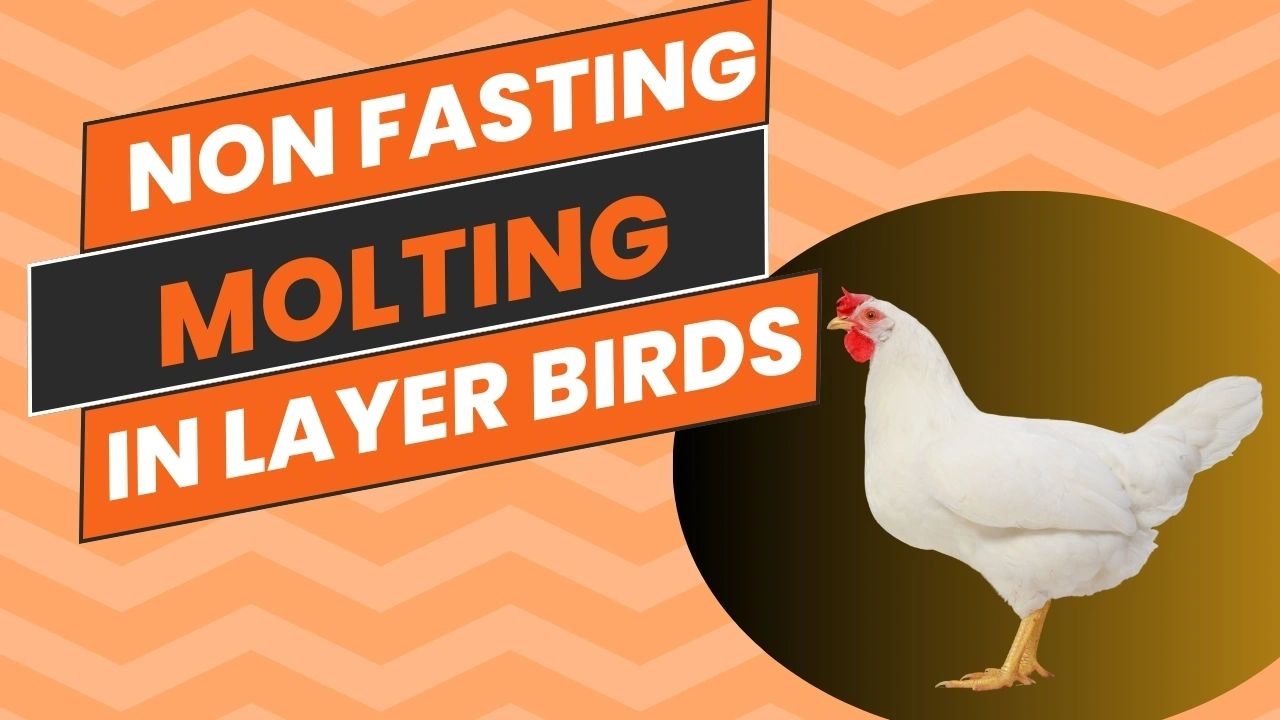
This article discusses the non-fasting molt process in commercial layer flocks, emphasizing its importance for extending the productive life of hens and improving egg production quality. Here are the key points:
Molt Process and Benefits:
- During molting, hens replace feathers and rejuvenate reproductive tissues, which can enhance egg production, shell strength, and albumen thickness.
- Induced molting can significantly improve the rate of lay and overall flock performance, particularly for Hy-Line laying hens.
Nutritional Guidelines:
- The various researches outlines the specific dietary recommendations for hens during the molt, including a metabolizable energy range of 2205-2800 kcal/kg and a crude protein concentration of around 8.50%.
- It stresses the importance of formulating diets to meet the required intake of standardized ileal digestible amino acids, particularly when using various feed ingredients.
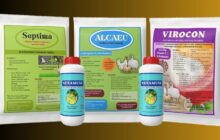
- Also focus on considerable stress that has been generated due to high tissue catabolism which requires additional mineral and vitamin supplementation. To keep immune system and metabolism stable for higher post molt performance PyrocalB supplementation is quite effective and helpful. It contain all B complex vitamins which regulate energy metabolism through pyridoxine, chromium and zinc.
Body Weight Management:
- Maintaining the body weight of hens is crucial during the molt. A reduction to approximately 23% below the 18-week body weight is recommended for optimal post-molt performance.
- Regular monitoring of flock body weight is essential throughout the molting process to ensure health and productivity.
Water and Sodium Levels:
- Hens should have free access to water at all times, as hydration is vital during this period.
- High sodium levels in drinking water (100 ppm or higher) can negatively impact the molt process, so careful management of water quality is necessary.
Timing and Duration:
- The optimal age for inducing molt is typically between 65 to 75 weeks. A complete cessation of egg production for at least two weeks is recommended to achieve the best post-molt performance.
In summary, the comprehensive guidelines for managing non-fasting molt in layer hens, focusing on nutrition, body weight, hydration, and timing to enhance overall flock productivity and health.
How does molting affect egg production quality?
Impact of Molting on Egg Production Quality
Molting has a significant influence on the quality of egg production in commercial layer flocks. Here are the key effects:
Improvement in Egg Quality:
- Molting rejuvenates the reproductive tissues of hens, which can lead to enhanced egg production quality. This includes improvements in shell strength and albumen thickness, both of which are critical for the overall quality of eggs produced.
Rate of Lay:
- Induced molting can extend the productive life of a flock by improving the rate of lay after the molt period. This means that hens are likely to produce eggs more consistently and in greater quantities following a successful molt.
Post-Molt Performance:
- While molting can lead to improvements in egg quality, it is important to note that post-molt performance may not reach the highest pre-molt values. This indicates that while there are benefits, there may also be a temporary decline in production levels immediately following the molt.
- Endocrine sufficiency after molting should be assessed, which is determined be rate of lay. It could be normalize by providing endocrine stimulant which increases circulating GnRH and estrogen concentration. Egg Up has unique composition in this respect it reinforce hormonal axis and funnel nutrients towards liver for yolk synthesis.
Nutritional Influence:
- The quality of eggs produced post-molt can also be influenced by the nutritional management during the molt. A well-formulated diet that meets the hens' needs during this period is essential for optimizing egg size and quality.
Monitoring and Management:
- Effective management practices, including monitoring body weight and adjusting dietary components, are crucial during the molt to ensure that hens return to lay with optimal egg quality. This includes controlling feed intake and ensuring proper hydration.
In summary, molting positively affects egg production quality by rejuvenating reproductive tissues and improving shell strength and albumen thickness. However, careful management and nutrition are essential to maximize these benefits and mitigate any potential declines in production immediately following the molt.
लेयर पक्षियों में नॉन-फास्टिंग मोल्टिंग
नॉन-फास्टिंग मोल्ट की अनुशंसाओं का संक्षेप में विवरण
यह लेख व्यावसायिक लेयर फ्लॉक्स में नॉन-फास्टिंग मोल्ट प्रक्रिया के बारे में बात करता है, और यह बताता है कि यह मुर्गियों के उत्पादक जीवन को बढ़ाने और अंडे के उत्पादन की गुणवत्ता में सुधार के लिए कितना महत्वपूर्ण है। यहाँ कुछ मुख्य बिंदु दिए गए हैं:
मोल्ट प्रक्रिया और इसके लाभ:
- मोल्टिंग के समय, मुर्गियाँ अपने पंखों को बदलती हैं और प्रजनन ऊतकों को फिर से सक्रिय करती हैं, जिससे अण्डों का उत्पादन, कवच की मजबूती और अंडे की सफेदी की मोटाई में वृद्धि होती है।
- प्रेरित मोल्टिंग से अंडे देने की दर और पूरे झुंड के प्रदर्शन में काफी सुधार हो सकता है, खासकर हाई-लाइन अंडे देने वाली मुर्गियों के लिए।
पोषण से जुड़ी सलाह:
- विभिन्न शोधों में मुर्गियों के लिए मोल्ट के दौरान खास आहार संबंधी सुझाव दिए गए हैं, जिसमें 2205-2800 किलोकैलोरी/किलोग्राम की चयापचय ऊर्जा सीमा और लगभग 8.50% की कच्ची प्रोटीन सांद्रता शामिल है।
- यह मानकीकृत इलियल पाच्य अमीनो एसिड के आवश्यक सेवन को पूरा करने के लिए आहार तैयार करने के महत्व पर जोर देता है, खासकर जब हम विभिन्न आहार सामग्री का उपयोग करते हैं।
- उच्च ऊतक अपचय के कारण होने वाले तनाव पर ध्यान देना जरूरी है, जिसके लिए अतिरिक्त खनिज और विटामिन की पूरकता की आवश्यकता होती है। उच्च पोस्ट मोल्ट प्रदर्शन के लिए प्रतिरक्षा प्रणाली और चयापचय को स्थिर रखने में पाइरोकलबी पूरकता काफी प्रभावी और सहायक साबित होती है। इसमें सभी बी कॉम्प्लेक्स विटामिन शामिल होते हैं, जो पाइरिडोक्सिन, क्रोमियम और जिंक के माध्यम से ऊर्जा चयापचय को नियंत्रित करते हैं।
शारीरिक वजन का प्रबंधन:
- मुर्गियों के शरीर का वजन मोल्ट के दौरान बनाए रखना बेहद ज़रूरी है। मोल्ट के बाद बेहतर प्रदर्शन के लिए 18 सप्ताह के शरीर के वजन से लगभग 23% कम करने की सलाह दी जाती है।
- स्वास्थ्य और उत्पादकता को बनाए रखने के लिए, मोल्टिंग प्रक्रिया के दौरान झुंड के शरीर के वजन की नियमित रूप से निगरानी करना जरूरी है।
जल और सोडियम का स्तर:
- मुर्गियों के लिए हमेशा पानी उपलब्ध होना चाहिए, क्योंकि इस समय में हाइड्रेशन बहुत जरूरी है।
- पीने के पानी में सोडियम का उच्च स्तर (100 पीपीएम या इससे अधिक) मोल्ट प्रक्रिया पर बुरा असर डाल सकता है, इसलिए जल की गुणवत्ता का ध्यानपूर्वक प्रबंधन करना जरूरी है।
समय और अवधि:
- मोल्ट को प्रेरित करने के लिए सबसे उपयुक्त आयु आमतौर पर 65 से 75 सप्ताह के बीच होती है। मोल्ट के बाद बेहतरीन प्रदर्शन हासिल करने के लिए कम से कम दो सप्ताह तक अंडे का उत्पादन पूरी तरह से रोकने की सलाह दी जाती है।
संक्षेप में, यह लेख लेयर मुर्गियों में नॉन-फास्टिंग मोल्ट के प्रबंधन के लिए विस्तृत दिशानिर्देश देता है, जिसमें पोषण, शरीर के वजन, जलयोजन और समय पर ध्यान केंद्रित किया गया है ताकि समग्र झुंड की उत्पादकता और स्वास्थ्य में सुधार किया जा सके।
मोल्टिंग का अंडे के उत्पादन की गुणवत्ता पर क्या असर होता है?
अंडा उत्पादन की गुणवत्ता पर मोल्टिंग का असर
व्यावसायिक लेयर फ्लॉक्स में अंडे के उत्पादन की गुणवत्ता पर मोल्टिंग का एक महत्वपूर्ण असर होता है। यहाँ इसके मुख्य प्रभाव बताए गए हैं:
अंडे की गुणवत्ता को बेहतर बनाना:
- मोल्टिंग के दौरान मुर्गियों के प्रजनन ऊतकों में बदलाव होता है, जिससे अंडे के उत्पादन की गुणवत्ता बेहतर हो सकती है। इसमें शेल की मजबूती और एल्बुमिन की मोटाई में सुधार शामिल है, जो कि उत्पादित अंडों की कुल गुणवत्ता के लिए बहुत जरूरी हैं।
ले की दर:
- प्रेरित मोल्टिंग, मोल्ट अवधि के बाद अंडे देने की दर को बेहतर बनाकर झुंड के उत्पादक जीवन को बढ़ा सकता है। इसका मतलब है कि सफल मोल्ट के बाद मुर्गियाँ अधिक नियमितता से और ज्यादा मात्रा में अंडे देने की संभावना रखती हैं।
पोस्ट-बहुत सारे प्रदर्शन:
- हालांकि मोल्टिंग से अंडे की गुणवत्ता में सुधार हो सकता है, लेकिन यह याद रखना जरूरी है कि मोल्ट के बाद का प्रदर्शन हमेशा उच्चतम प्री-मोल्ट मूल्यों तक नहीं पहुंच पाता। इसका मतलब है कि लाभ होने के बावजूद, मोल्टिंग के तुरंत बाद उत्पादन स्तर में अस्थायी गिरावट भी हो सकती है।
- मोल्टिंग के बाद एंडोक्राइन पर्याप्तता का मूल्यांकन करना जरूरी है, जो अंडे देने की दर से तय होता है। इसे एंडोक्राइन उत्तेजक देकर सामान्य किया जा सकता है, जो परिसंचारी GnRH और एस्ट्रोजन की सांद्रता को बढ़ाता है। इस मामले में एग अप की खास संरचना है, जो हार्मोनल अक्ष को मजबूत करती है और जर्दी संश्लेषण के लिए पोषक तत्वों को यकृत की ओर ले जाती है।
पोषण से जुड़े प्रभाव:
- अंडे के मोल्टिंग के बाद, उत्पादित अंडे की गुणवत्ता भी मोल्टिंग के समय पोषण प्रबंधन से प्रभावित हो सकती है। इस दौरान मुर्गियों की ज़रूरतों को पूरा करने वाला एक संतुलित आहार अंडे के आकार और गुणवत्ता को बेहतर बनाने के लिए जरूरी है।
निगरानी और प्रबंधन:
- प्रभावी प्रबंधन तकनीकें, जैसे कि शरीर के वजन की निगरानी और आहार के तत्वों को समायोजित करना, यह सुनिश्चित करने के लिए बेहद जरूरी हैं कि मुर्गियाँ बेहतरीन अंडे की गुणवत्ता के साथ अंडे देने के लिए लौटें। इसमें फ़ीड सेवन को नियंत्रित करना और सही जलयोजन बनाए रखना शामिल है।
संक्षेप में, मोल्टिंग प्रजनन ऊतकों को फिर से सक्रिय करके और खोल की ताकत और ऐल्ब्यूमिन की मोटाई को बेहतर बनाकर अंडे के उत्पादन की गुणवत्ता पर सकारात्मक प्रभाव डालता है। हालांकि, इन फायदों को अधिकतम करने और मोल्ट के तुरंत बाद उत्पादन में किसी भी संभावित कमी को कम करने के लिए सावधानीपूर्वक प्रबंधन और पोषण की आवश्यकता होती है।
Problem in your flock? Send photos of the birds and droppings on WhatsApp for a first opinion from Dr. Ibne Ali.
WhatsApp: 98715 84101नॉन-फास्टिंग मोल्ट की सलाह का सार
यह लेख कमर्शियल layer फ्लॉक में नॉन-फास्टिंग मोल्ट (बिना भूखा रखे मोल्टिंग) की प्रक्रिया के बारे में है, और बताता है कि मुर्गियों की उत्पादन वाली उम्र बढ़ाने और अंडों की क्वालिटी सुधारने के लिए यह कितना ज़रूरी है। मुख्य बातें ये हैं:
मोल्ट की प्रक्रिया और फायदे:
- मोल्टिंग के दौरान मुर्गियाँ अपने पंख बदलती हैं और प्रजनन अंगों के ऊतक (tissues) फिर से नए जैसे हो जाते हैं, जिससे अंडा उत्पादन, छिलके की मज़बूती और अंडे की सफेदी (albumen) की मोटाई बढ़ सकती है।
- Induced molting (करवाई गई मोल्टिंग) से अंडा देने की दर (rate of lay) में काफी सुधार हो सकता है और पूरे फ्लॉक का प्रदर्शन बेहतर होता है, खासकर Hy-Line अंडा देने वाली मुर्गियों में।
पोषण से जुड़ी सलाह:
- अलग-अलग रिसर्च में मोल्ट के दौरान मुर्गियों के लिए खास खुराक की सलाह दी गई है, जिसमें metabolizable energy 2205-2800 kcal/kg और crude protein लगभग 8.50% शामिल है।
- इसमें इस बात पर ज़ोर दिया गया है कि खुराक ऐसी बनाई जाए कि standardized ileal digestible amino acids की ज़रूरी मात्रा पूरी हो, खासकर जब feed में अलग-अलग कच्चा माल इस्तेमाल हो रहा हो।
- इस बात पर भी ध्यान दें कि शरीर के ऊतकों के ज़्यादा टूटने (tissue catabolism) से काफी तनाव (stress) पैदा होता है, जिसके लिए अतिरिक्त मिनरल और विटामिन देने की ज़रूरत होती है। मोल्ट के बाद अच्छे प्रदर्शन के लिए इम्यून सिस्टम और मेटाबॉलिज़्म को स्थिर रखने में PyrocalB देना काफी असरदार और मददगार है। इसमें सभी B कॉम्प्लेक्स विटामिन होते हैं, जो pyridoxine, chromium और zinc के ज़रिए ऊर्जा के मेटाबॉलिज़्म को कंट्रोल करते हैं।
शरीर के वज़न का मैनेजमेंट:
- मोल्ट के दौरान मुर्गियों के शरीर के वज़न को सही रखना बहुत ज़रूरी है। मोल्ट के बाद अच्छे प्रदर्शन के लिए वज़न को 18 हफ्ते वाले वज़न से लगभग 23% कम तक लाने की सलाह दी जाती है।
- सेहत और उत्पादन ठीक रखने के लिए पूरी मोल्टिंग के दौरान फ्लॉक के वज़न की नियमित जाँच ज़रूरी है।
पानी और सोडियम का स्तर:
- मुर्गियों को हर समय खुला पानी मिलना चाहिए, क्योंकि इस दौरान शरीर में पानी की सही मात्रा (hydration) बहुत ज़रूरी है।
- पीने के पानी में सोडियम ज़्यादा (100 ppm या उससे ज़्यादा) होने से मोल्ट की प्रक्रिया पर बुरा असर पड़ सकता है, इसलिए पानी की क्वालिटी का ध्यान से मैनेजमेंट ज़रूरी है।
समय और अवधि:
- मोल्ट करवाने की सबसे सही उम्र आमतौर पर 65 से 75 हफ्ते के बीच होती है। मोल्ट के बाद सबसे अच्छा प्रदर्शन पाने के लिए कम से कम दो हफ्ते तक अंडा उत्पादन पूरी तरह बंद होने की सलाह दी जाती है।
संक्षेप में, ये layer मुर्गियों में नॉन-फास्टिंग मोल्ट को संभालने की पूरी गाइडलाइन हैं, जो पूरे फ्लॉक का उत्पादन और सेहत बढ़ाने के लिए पोषण, शरीर के वज़न, पानी और सही समय पर ध्यान देती हैं।
मोल्टिंग का अंडा उत्पादन की क्वालिटी पर क्या असर होता है?
अंडा उत्पादन की क्वालिटी पर मोल्टिंग का असर
कमर्शियल layer फ्लॉक में अंडा उत्पादन की क्वालिटी पर मोल्टिंग का बड़ा असर होता है। इसके मुख्य असर ये हैं:
अंडे की क्वालिटी में सुधार:
- मोल्टिंग से मुर्गियों के प्रजनन अंगों के ऊतक फिर से नए जैसे हो जाते हैं, जिससे अंडा उत्पादन की क्वालिटी बेहतर हो सकती है। इसमें छिलके की मज़बूती और albumen (सफेदी) की मोटाई में सुधार शामिल है, और ये दोनों अंडों की कुल क्वालिटी के लिए बहुत ज़रूरी हैं।
अंडा देने की दर (Rate of Lay):
- Induced molting, मोल्ट के बाद अंडा देने की दर सुधारकर फ्लॉक की उत्पादन वाली उम्र बढ़ा सकती है। इसका मतलब है कि सफल मोल्ट के बाद मुर्गियाँ ज़्यादा नियमित रूप से और ज़्यादा संख्या में अंडे देने की संभावना रखती हैं।
मोल्ट के बाद का प्रदर्शन:
- मोल्टिंग से अंडे की क्वालिटी में सुधार हो सकता है, लेकिन यह ध्यान रखना ज़रूरी है कि मोल्ट के बाद का प्रदर्शन, मोल्ट से पहले के सबसे ऊँचे स्तर तक शायद न पहुँचे। इसका मतलब है कि फायदे तो हैं, लेकिन मोल्ट के तुरंत बाद उत्पादन में कुछ समय के लिए गिरावट भी हो सकती है।
- मोल्टिंग के बाद हार्मोन (endocrine) की पर्याप्तता की जाँच करनी चाहिए, जो अंडा देने की दर से पता चलती है। इसे endocrine stimulant देकर सामान्य किया जा सकता है, जो खून में GnRH और estrogen की मात्रा बढ़ाता है। इस मामले में Egg Up का फॉर्मूला खास है, यह हार्मोन के सिस्टम (hormonal axis) को मज़बूत करता है और जर्दी (yolk) बनाने के लिए पोषक तत्वों को लिवर की तरफ भेजता है।
पोषण का असर:
- मोल्ट के बाद बनने वाले अंडों की क्वालिटी पर भी मोल्ट के दौरान के पोषण मैनेजमेंट का असर पड़ता है। इस दौरान मुर्गियों की ज़रूरतें पूरी करने वाली अच्छी तरह बनाई गई खुराक अंडे का साइज़ और क्वालिटी सबसे अच्छी करने के लिए ज़रूरी है।
निगरानी और मैनेजमेंट:
- असरदार मैनेजमेंट के तरीके, जैसे शरीर के वज़न की निगरानी और खुराक के हिस्सों में बदलाव, मोल्ट के दौरान बहुत ज़रूरी हैं, ताकि मुर्गियाँ अच्छी अंडा क्वालिटी के साथ दोबारा अंडे देना शुरू करें। इसमें feed intake को कंट्रोल करना और सही hydration पक्का करना शामिल है।
संक्षेप में, मोल्टिंग प्रजनन ऊतकों को फिर से नया करके और छिलके की मज़बूती व albumen की मोटाई सुधारकर अंडा उत्पादन की क्वालिटी पर अच्छा असर डालती है। लेकिन इन फायदों को ज़्यादा से ज़्यादा पाने और मोल्ट के तुरंत बाद उत्पादन में होने वाली किसी भी गिरावट को कम करने के लिए ध्यान से मैनेजमेंट और पोषण ज़रूरी है।
फ़ार्म में कोई दिक्कत? पक्षियों और बीट की फ़ोटो WhatsApp पर भेजिए, डॉ. इब्ने अली से पहली राय लीजिए।
WhatsApp: 98715 84101Non-Fasting Molt ki Salah ka Saar
Ye article commercial layer flock me non-fasting molt (bina bhookha rakhe molting) ke process ke baare me hai, aur batata hai ki murgiyon ki production wali umar badhane aur ande ki quality sudharne ke liye ye kitna zaroori hai. Main points ye hain:
Molt ka Process aur Fayde:
- Molting ke time murgiyan apne pankh badalti hain aur reproductive tissues phir se naye jaise ho jaate hain, jisse egg production, chhilke ki mazbooti aur albumen (safedi) ki motai badh sakti hai.
- Induced molting se rate of lay (anda dene ki dar) me kaafi sudhaar ho sakta hai aur poore flock ka performance better hota hai, khaas kar Hy-Line laying hens me.
Nutrition ki Guidelines:
- Alag-alag research me molt ke time murgiyon ke liye khaas diet ki salah di gayi hai, jisme metabolizable energy 2205-2800 kcal/kg aur crude protein lagbhag 8.50% shaamil hai.
- Isme is baat par zor diya gaya hai ki diet aisi formulate ho ki standardized ileal digestible amino acids ki zaroori intake poori ho, khaas kar jab feed me alag-alag ingredients use ho rahe hon.
- Is baat par bhi dhyan do ki body ke tissues ke zyada tootne (tissue catabolism) se kaafi stress banta hai, jiske liye extra mineral aur vitamin supplementation chahiye. Molt ke baad achhe performance ke liye immune system aur metabolism ko stable rakhne me PyrocalB supplementation kaafi asardaar aur madadgaar hai. Isme saare B complex vitamins hote hain, jo pyridoxine, chromium aur zinc ke through energy metabolism ko control karte hain.
Body Weight Management:
- Molt ke time murgiyon ka body weight sahi rakhna bahut zaroori hai. Molt ke baad best performance ke liye weight ko 18 hafte wale body weight se lagbhag 23% kam tak laane ki salah di jaati hai.
- Sehat aur production theek rakhne ke liye poori molting ke dauraan flock ke body weight ki regular checking zaroori hai.
Paani aur Sodium Level:
- Murgiyon ko har time khula paani milna chahiye, kyunki is time hydration bahut zaroori hai.
- Peene ke paani me sodium zyada (100 ppm ya usse zyada) hone se molt ke process par bura asar pad sakta hai, isliye paani ki quality ka dhyan se management zaroori hai.
Timing aur Duration:
- Molt karwane ki sabse sahi umar aam taur par 65 se 75 hafte ke beech hoti hai. Molt ke baad best performance ke liye kam se kam do hafte tak egg production poori tarah band hone ki salah di jaati hai.
Short me, ye layer murgiyon me non-fasting molt ko sambhalne ki poori guidelines hain, jo poore flock ki productivity aur sehat badhane ke liye nutrition, body weight, hydration aur sahi timing par focus karti hain.
Molting ka Egg Production ki Quality par Kya Asar Hota Hai?
Egg production ki quality par molting ka asar
Commercial layer flock me egg production ki quality par molting ka bada asar hota hai. Iske main asar ye hain:
Ande ki Quality me Sudhaar:
- Molting se murgiyon ke reproductive tissues phir se naye jaise ho jaate hain, jisse egg production ki quality better ho sakti hai. Isme chhilke ki mazbooti aur albumen ki motai me sudhaar shaamil hai, aur ye dono ande ki overall quality ke liye bahut zaroori hain.
Rate of Lay:
- Induced molting, molt ke baad rate of lay sudharkar flock ki production wali umar badha sakti hai. Iska matlab hai ki successful molt ke baad murgiyan zyada regular aur zyada ginti me ande dene ki sambhavna rakhti hain.
Post-Molt Performance:
- Molting se ande ki quality me sudhaar ho sakta hai, lekin ye dhyan rakhna zaroori hai ki post-molt performance, molt se pehle ke sabse oonche level tak shayad na pahunche. Iska matlab hai ki fayde to hain, lekin molt ke turant baad production me kuch time ke liye girawat bhi ho sakti hai.
- Molting ke baad endocrine (hormone) ki poorti check karni chahiye, jo rate of lay se pata chalti hai. Ise endocrine stimulant dekar normal kiya ja sakta hai, jo khoon me GnRH aur estrogen ki maatra badhata hai. Is maamle me Egg Up ka formula khaas hai, ye hormonal axis ko mazboot karta hai aur yolk banane ke liye nutrients ko liver ki taraf bhejta hai.
Nutrition ka Asar:
- Molt ke baad banne wale ande ki quality par bhi molt ke time ke nutrition management ka asar padta hai. Is time murgiyon ki zarooratein poori karne wali achhi formulated diet ande ka size aur quality best karne ke liye zaroori hai.
Monitoring aur Management:
- Asardaar management ke tarike, jaise body weight ki monitoring aur diet ke components me badlav, molt ke time bahut zaroori hain, taaki murgiyan achhi egg quality ke saath dobara ande dena shuru karein. Isme feed intake control karna aur sahi hydration pakka karna shaamil hai.
Short me, molting reproductive tissues ko phir se naya karke aur chhilke ki mazbooti aur albumen ki motai sudharkar egg production ki quality par achha asar daalti hai. Lekin in faydon ko zyada se zyada paane aur molt ke turant baad production me hone wali kisi bhi girawat ko kam karne ke liye dhyan se management aur nutrition zaroori hai.
Farm me koi dikkat? Pakshiyon aur beet ki photo WhatsApp par bhejiye, Dr. Ibne Ali se pehli raay lijiye.
WhatsApp: 98715 84101