
Blood in cow milk after calving is one of the most frightening things a dairy farmer can see. Pink, red or rust-coloured milk a few days after the calf is born looks like an emergency, yet it is common in the first days of lactation, especially in heifers and high-yielding cows, and in many animals it settles within days. This guide explains how the udder is built, why blood appears in early lactation, how to tell harmless leakage from a problem that needs treatment, what you can safely do on the farm and when to call your vet the same day. It is general education from the team of Dr. Ibne Ali, not a substitute for examining your cow.
How the udder is built: a short primer
A cow’s udder is four separate milk-producing units called quarters. Each quarter has its own gland tissue, its own milk duct system, its own teat and its own teat canal. Milk from one quarter does not mix with another, which is why one quarter can be badly affected while the other three give normal milk.
Inside each quarter, millions of tiny sacs called alveoli make milk. They are wrapped in a dense network of very fine blood vessels (capillaries), because the gland needs a huge blood supply: a cow may need several hundred litres of blood to pass through the udder to make one litre of milk. Around calving, blood flow to the udder rises sharply, the hormones of late pregnancy and birth change how fluid moves in and out of vessels, and the gland starts producing colostrum and then milk.
Two features explain most early-lactation bleeding. First, the capillaries are thin-walled and numerous, so they can leak or break when pressure rises. Second, the udder is held up by ligaments and covered by skin that has little room to stretch, so fast filling causes swelling, which squeezes the vessels further.
Why blood appears in milk in early lactation
- Udder oedema: before and after calving, fluid collects in the udder tissue and under the belly skin. A tight, swollen udder puts pressure on capillaries and they can leak red cells into the milk. Oedema is more marked in heifers and in cows that were over-fed or over-conditioned in the dry period.
- Vascular leakage and hormone changes: the sudden rise in blood flow and the hormone shifts around birth make vessel walls more permeable for a short time. Small amounts of blood seep into the milk without any infection.
- First calvers: heifers have an udder that is filling for the first time, tighter tissue and more oedema, so blood-tinged milk is seen more often in them.
- Trauma: a kick, a hard floor, a slippery stall, a heavy udder swinging while walking, rough or hard milking, or a calf butting and sucking hard can all rupture capillaries.
- Mastitis: infection can inflame the gland and cause blood-tinged milk with clots, heat and pain. Some severe forms are accompanied by fever and a sick cow.
- Heavy early milk flow: very high production right after calving puts extra pressure on a gland that is still adjusting.
- Less common causes: teat lesions, a bleeding wound on the teat end, or a fault in the teat canal. These need a hands-on examination by a vet.
Pink, red, clots, brown or watery: what the milk is telling you
The colour and consistency of the milk give useful clues. Always judge by stripping the first few streams of every quarter into a dark cup, not by looking at the bucket after the milk has mixed.
| What you see | Likely cause | What to do on the farm | When to call the vet |
|---|---|---|---|
| Light pink or rosy milk in one or more quarters, cow bright and eating, udder swollen but not hot | Udder oedema, minor capillary leakage, common in first calvers | Milk out gently and fully, keep udder clean and dry, soft bedding, check daily, keep notes | If it continues beyond 3 to 4 days or gets darker |
| Bright red milk, blood streaks, one quarter | Capillary rupture or injury to udder or teat | Look for a wound or bruise, avoid hard handling, keep stalls safe, milk out gently | If it does not lighten within a day or two, or the teat is damaged |
| Blood clots, thick strings, may block the teat | Heavier bleeding, possible mastitis, or a clot in the teat | Do not force the clot out, do not squeeze hard, keep the quarter separate | Same day |
| Brown, rusty or dark milk | Older blood from earlier bleeding, or a more serious infection | Strip and observe, check temperature and appetite | Same day, especially if the cow is dull |
| Watery, thin, pinkish milk with a hot, hard, painful quarter | Acute mastitis with leakage of blood and fluid | Isolate the cow, take the temperature, keep her comfortable | Immediately |
| Blood in all four quarters, cow weak, off feed, fever | Systemic illness, severe mastitis, other conditions | Do not wait and watch | Immediately |
The quarter-by-quarter stripping check
This simple routine takes two minutes per cow and tells you far more than looking at the pail.
- Wash your hands and wipe the teats clean and dry with a separate clean cloth for each cow.
- Use a dark-bottomed cup or a strip cup. Dark colour makes blood, clots and flakes easy to see.
- Strip two or three streams from each teat, one quarter at a time, and note which quarter, left front, right front, left rear or right rear.
- Look at the colour: clear or creamy is normal, pink or red is blood, yellow-watery or flaky is another problem.
- Look for clots, flakes and strings. Clots in only the first streams are less worrying than clots throughout milking.
- Feel each quarter before and after milking: compare with the others for heat, hardness, pain and size. A quarter that stays hard after milking needs attention.
- Some farms use a simple cow-side test to look for increased cell counts in milk, which helps to separate plain bleeding from infection. Ask your vet how to use it and interpret it on your farm.
- Write down the date, the quarter, the colour and any other signs.
Milking hygiene and teat dipping
When milk contains blood, the udder is irritated and the teat canal may be slightly open, so bacteria find it easier to enter. Strict hygiene during these days is the best protection.
- Milk with clean, dry, short-nailed hands, and wash hands between cows if possible.
- Clean and dry the teats before attaching the machine or starting hand milking. Wet, dirty teats carry bacteria into the milk.
- Strip the first streams into a cup, not onto the floor or bedding where other cows lie.
- Milk the cow with blood in her milk last, so she does not pass germs on to others, and use a separate bucket.
- Dip the teats after milking in a teat dip recommended by your vet, and let it dry on the skin. Teat end protection in the 20 to 30 minutes after milking is when germs enter most easily, so keep the cow standing by giving fresh feed.
- If you use a machine, make sure the vacuum, liners and pulsation are correct, because faulty machines damage teats and cause bruising and bleeding.
- Keep the calving area, bedding and stall dry and clean.
Handling the milk: human use and the calf
Do not use milk containing blood for human consumption, and do not sell it, until the milk has been clear for several consecutive milkings and your vet agrees. Colostrum and early milk are anyway handled separately for the calf.
Many farmers ask whether the calf can drink bloody milk. The calf needs colostrum in the first hours of life, and it is valuable. If the colostrum is only slightly pink and the cow is healthy, some vets allow it, but if there is a suspected mastitis, clots, pus or the cow is sick, it is better not to feed it. Please ask your vet on that day, and keep colostrum from another healthy cow stored as a backup. Do not pour bloody or infected milk where other animals or dogs can drink it.
Managing udder oedema
Udder oedema is a swelling from fluid that builds up in the udder and often along the belly, and you can see it as a puffy, pitting udder that keeps the mark when pressed. It is usually painless and peaks in the days before and after calving. Several general measures help.
- Comfort and movement: give soft, dry, clean bedding and light daily walking, because movement helps fluid drain from the udder. Avoid slippery floors and crowding.
- Do not over-feed or over-condition the cow in the dry period. Very fat cows and heifers have more oedema.
- Avoid too much salt and mineral supplements high in sodium and potassium in the close-up period, because they increase fluid retention. Ask your vet or nutritionist about the right balance.
- Frequent, gentle milking relieves pressure, and it is better to milk out regularly than to leave the udder tight.
- Gentle massage: use very light, slow strokes with clean hands only, and only if the udder is not hot or painful. Cold applications are generally used for fresh, painful swelling and warmth for older, stiff swelling, but the right choice depends on the case, so ask your vet. Never massage hard, and stop if the cow flinches.
- Watch for tight skin and cracks at the udder base, which can become sore and infected.
Persistent or very severe oedema, a hard cold udder, a udder that is not softening after a few days, or any oedema with a sick cow needs a vet. Do not try to treat it with home remedies alone.
Mastitis overlap: telling bleeding from infection
Blood from oedema is usually painless, the milk is otherwise normal, and the cow stays bright. Mastitis signs are different, and often overlap, so look for these together:
- Heat, hardness and pain in the quarter, and the cow kicks or resists milking.
- Clots, flakes, pus or watery milk, a bad smell.
- Fever, dullness, reduced appetite, sunken eyes or standing apart from the herd.
- A sudden fall in milk yield.
- Swelling that is hot and getting worse over hours.
Early lactation is also when mastitis risk is high, because immunity falls around calving. Read more in our article on mastitis and immune support. If you suspect infection, do not wait: infection treated late can destroy a quarter.
Calving-period nutrition and stress
Calving is a big stress on a cow. In the last weeks of pregnancy and the first weeks of lactation, her intake often falls just as her needs rise sharply. This negative energy balance, together with a drop in immunity, makes her more prone to udder problems and other diseases.
- Energy: give a balanced, palatable ration, and avoid sudden changes in feed. Good quality fodder, clean water at all times and a gradual increase in concentrate after calving help.
- Minerals: a balanced mineral and vitamin supply supports tissue, immunity and the udder. Do not guess, work with your vet or nutritionist.
- Vitamin E and selenium: these work together as antioxidants and are widely recognised as important for immunity and udder health around calving. Deficiency, depending on your region and soil, can raise the risk of retained placenta and mastitis. Ask your vet whether your herd needs more.
- Calcium: low blood calcium around calving weakens muscles, including the teat sphincter and the uterus, and it is linked to milk fever and slow recovery. See our guide to milk fever prevention and the calving plan with DCAD management.
- Stress control: reduce crowding, transport and noise, keep a calm routine, give shade or warmth depending on the season, and see winter care of dairy cows.
Supportive nutrition
After calving the cow is under strain, and good feeding and vitamins support her recovery. A liquid multivitamin such as Vitaden H can be given as supportive nutrition alongside a balanced ration. It is not a cure for blood in milk and does not replace treating the cause, so decide the cause first with your vet.
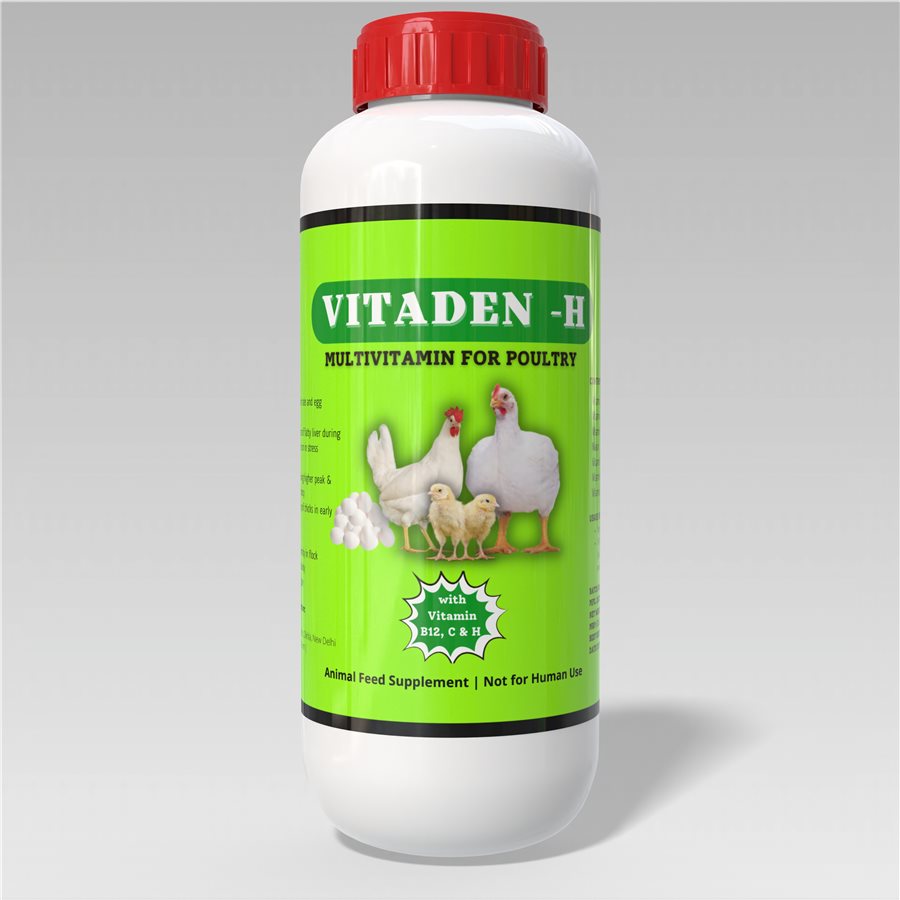
Liquid multivitamin
Vitaden H
Liquid multivitamin with vitamins A, D3, E, B12, C, biotin and niacin, for supportive nutrition.
Dose: Ask on WhatsApp for the dose for your animal.
500 ml ₹550 · 1 L ₹1,070MRP ₹880 / ₹1,950
What not to do
- Do not massage a swollen, painful udder hard, and do not squeeze out clots by force.
- Do not stop milking out the quarter, because retained milk raises infection risk.
- Do not start antibiotics or any injection without your vet.
- Do not sell, drink or use bloody milk, and do not feed it to other animals.
- Do not wait and watch if the cow is sick.
Record keeping
Good notes make your vet’s job easier and help you see patterns. For each case write down:
- Cow number, parity (first calf or later) and calving date.
- Which quarter or quarters, and the colour of the milk each day.
- Udder condition: swelling, heat, hardness, pain.
- Temperature, appetite and general condition.
- Any injury or change in housing or feed in the last week.
- What you did, and the date it cleared.
Take a photo of the strip cup each day. It is the best way to show an advisor what changed.
Prevention checklist for the next calving
- Dry period: a planned dry period of roughly six to eight weeks, with a gradual drying off and a well-balanced dry cow ration, is widely recommended. Ask your vet about dry cow care in your herd.
- Body condition: aim for a moderate, not fat, body condition at calving. Over-conditioned cows and heifers have more oedema and more transition disease.
- Close-up diet: control salt and potassium, provide enough minerals and vitamins including vitamin E and selenium, and consider calcium management.
- Heifer preparation: get heifers used to being handled and touched on the udder before calving.
- Clean calving area: dry, clean, non-slippery and roomy.
- Milking routine: a calm, regular schedule, and correct machine settings.
- Check the udder daily in the last two weeks before calving and the first week after.
- Keep records so you can spot cows that repeat the problem.
- Review with your vet before each calving season.
Myths and facts
| Myth | Fact |
|---|---|
| Blood in milk always means a serious disease. | Often it is oedema or a small leak and passes in days, but it should still be watched. |
| Stop milking the bloody quarter to let it rest. | Not milking raises pressure and infection risk. Milk out gently and regularly. |
| Massage hard to break the swelling. | Hard massage can bruise the tissue and make bleeding worse. |
| Boil the milk and it is safe for the family. | Milk with blood should not be used for human consumption until it is clear and your vet agrees. |
| A tonic or vitamin will stop the bleeding. | Nutrition supports recovery, but it does not cure blood in milk. Find the cause first. |
Call the vet today if
- Blood continues beyond 3 to 4 days or is getting worse.
- There are clots, strings, pus or a blocked teat.
- The quarter is hot, hard, red or painful.
- The cow has fever, is dull or off feed, or has stopped chewing cud.
- Blood is coming from more than one quarter along with weakness.
- The teat or udder has a visible wound or deep bruise.
- The milk yield falls suddenly.
- The udder is very swollen, cold and hard or the skin is cracking.
- You are not sure. A phone call is always fine.
Frequently asked questions
Why is there blood in my cow’s milk after calving? Most often it is udder oedema or leakage from fine blood vessels in a gland that is filling quickly. Injury, high early production and mastitis are the other common reasons. Check each quarter to see where it comes from and note the other signs.
Is blood in milk after calving normal? It is common, especially in first calvers, but it should never be ignored. If the cow is bright, the udder is soft and the milk clears within a few days, it is usually minor. If any warning sign from the list above is present, call the vet.
Will it go away on its own? Often it clears in a few days as the oedema settles and the gland adjusts, but continued milking, hygiene and observation are needed. If it continues or there are clots, fever or swelling, call your vet.
Can the calf drink the milk? Ask your vet. Colostrum matters, so the vet may allow slightly pink milk from a healthy cow, but milk from a quarter with mastitis, clots or pus, or from a sick cow, should not be given. Keep a stored colostrum backup.
Can we use the milk for the family or sell it? No. Do not use or sell milk with blood until it has been clear for several milkings and your vet agrees. Also follow the withdrawal rules if any treatment is given.
Should I stop milking that quarter? No. Milk it out gently and regularly, and milk that cow last with clean hands.
Can massage or hot or cold packs help? Very gentle, light massage may be used on a swollen udder that is not hot or painful. The use of cold or warmth depends on whether the swelling is fresh or old and on pain, so ask your vet. Hard massage can make it worse.
How can I prevent it next time? Manage the dry period and body condition, avoid excess salt and over-feeding before calving, give balanced minerals and vitamins, keep clean and non-slippery housing, practise good milking hygiene and check the udder daily around calving.
Do vitamins or tonics help? Good feeding and vitamins support the cow’s recovery after calving, and a liquid multivitamin like Vitaden H can be used as supportive nutrition. It is not a treatment for blood in milk. Treat the cause with your vet.
What are the prices? See the box above. Prices may change, so confirm on WhatsApp.
Also read: Winter care of dairy cows · Calving plan · IMN product guide
ब्याने के बाद गाय के दूध में खून दिखना किसी भी डेयरी किसान के लिए डरावना पल होता है। बछड़ा होने के कुछ दिन बाद गुलाबी, लाल या जंग जैसा दूध इमरजेंसी लगता है, पर दूध शुरू होने के पहले दिनों में यह आम है, खासकर पहली बार ब्याई गायों और ज़्यादा दूध देने वाली गायों में, और कई गायों में कुछ दिन में अपने आप ठीक हो जाता है। इस गाइड में बताया है कि थन कैसे बना होता है, ब्याने के बाद दूध में खून क्यों आता है, मामूली रिसाव और असली परेशानी में फ़र्क कैसे करें, फ़ार्म पर क्या सुरक्षित रूप से किया जा सकता है और डॉक्टर को उसी दिन कब बुलाएँ। यह डॉ. इब्ने अली की टीम की ओर से सामान्य जानकारी है, गाय की जाँच का विकल्प नहीं।
थन की बनावट: छोटी सी जानकारी
गाय के थन में दूध बनाने वाली चार अलग इकाइयाँ होती हैं, जिन्हें क्वार्टर कहते हैं। हर क्वार्टर का अपना ग्रंथि ऊतक, अपनी दूध नलियाँ, अपना थन और अपनी थन नली होती है। एक क्वार्टर का दूध दूसरे में नहीं मिलता, इसीलिए एक क्वार्टर बुरी तरह प्रभावित हो सकता है और बाकी तीन का दूध सामान्य रहता है।
हर क्वार्टर के अंदर लाखों छोटी थैलियाँ (एल्वियोलाई) दूध बनाती हैं। इनके चारों तरफ बहुत बारीक रक्त नलियों (केशिकाओं) का घना जाल होता है, क्योंकि ग्रंथि को बहुत ज़्यादा खून चाहिए: एक लीटर दूध बनाने के लिए थन से कई सौ लीटर खून गुज़रना पड़ता है। ब्याने के आसपास थन में खून का बहाव तेज़ी से बढ़ता है, गर्भ और ब्याने के हार्मोन नसों से द्रव के आने-जाने का तरीका बदलते हैं, और ग्रंथि पहले खीस और फिर दूध बनाने लगती है।
शुरुआती खून के दो मुख्य कारण समझ आते हैं। पहला, केशिकाओं की दीवार पतली और संख्या बहुत ज़्यादा होती है, इसलिए दबाव बढ़ने पर वे रिस या फट सकती हैं। दूसरा, थन स्नायुओं से टिका होता है और उसकी खाल में फैलने की जगह कम होती है, इसलिए तेज़ भराव से सूजन आती है और नसें और दब जाती हैं।
ब्याने के बाद दूध में खून क्यों आता है
- थन की सूजन (ओडिमा): ब्याने से पहले और बाद में थन के ऊतक और पेट के नीचे की खाल में द्रव जमा हो जाता है। कसे हुए सूजे थन में केशिकाओं पर दबाव पड़ता है और लाल कोशिकाएँ दूध में रिस जाती हैं। सूखे काल में ज़्यादा खिलाई गई या ज़्यादा मोटी गायों और पहली बार ब्याई गायों में ओडिमा ज़्यादा होती है।
- नसों का रिसाव और हार्मोन बदलाव: खून का बहाव अचानक बढ़ने और ब्याने के हार्मोन बदलाव से कुछ समय के लिए नसों की दीवार ज़्यादा रिसने वाली हो जाती है। बिना इन्फ़ेक्शन के भी दूध में थोड़ा खून आ सकता है।
- पहली बार ब्याई गाय: बछिया का थन पहली बार भर रहा होता है, ऊतक कसे होते हैं और ओडिमा ज़्यादा होती है, इसलिए खून मिला दूध उनमें ज़्यादा दिखता है।
- चोट: लात, सख्त फ़र्श, फिसलन भरा बाड़ा, चलते समय भारी थन का झूलना, खुरदुरी या ज़ोर की दुहाई, या बछड़े का ज़ोर से टक्कर मारकर चूसना, इनसे केशिकाएँ फट सकती हैं।
- थनैला: इन्फ़ेक्शन ग्रंथि में सूजन करके खून मिला दूध, थक्के, गर्मी और दर्द पैदा कर सकता है। गंभीर रूप में बुखार और बीमार गाय भी दिखती है।
- शुरुआती दूध का तेज़ बहाव: ब्याते ही बहुत ज़्यादा उत्पादन उस ग्रंथि पर अतिरिक्त दबाव डालता है जो अभी ढल रही होती है।
- कम आम कारण: थन के सिरे का घाव, थन नली की खराबी। इनके लिए डॉक्टर को हाथ से जाँच करनी होगी।
गुलाबी, लाल, थक्के, भूरा या पानी जैसा: दूध क्या बता रहा है
दूध का रंग और गाढ़ापन अहम सुराग देते हैं। हमेशा हर क्वार्टर की पहली कुछ धारें गहरे कप में निकालकर देखें, बाल्टी में मिले दूध को देखकर नहीं।
| क्या दिखता है | संभावित कारण | फ़ार्म पर क्या करें | डॉक्टर को कब बुलाएँ |
|---|---|---|---|
| हल्का गुलाबी दूध, एक या ज़्यादा क्वार्टर में, गाय चुस्त और खा रही, थन सूजा पर गर्म नहीं | थन की ओडिमा, हल्का केशिका रिसाव, पहली बार ब्याई गायों में आम | धीरे और पूरा दुहें, थन साफ़ और सूखा रखें, नरम बिछावन, रोज़ जाँच और नोट | अगर 3 से 4 दिन से ज़्यादा रहे या गहरा हो |
| चटक लाल दूध, खून की धारियाँ, एक क्वार्टर | केशिका फटना या थन में चोट | घाव या नील ढूँढें, ज़ोर से न छुएँ, बाड़ा सुरक्षित रखें, धीरे दुहें | अगर एक-दो दिन में हल्का न हो या थन ज़ख़्मी हो |
| खून के थक्के, मोटी लड़ियाँ, थन बंद हो सकता है | ज़्यादा खून, संभावित थनैला, या थन में थक्का | थक्के को ज़ोर से न निकालें, ज़ोर से न दबाएँ, उस क्वार्टर को अलग रखें | उसी दिन |
| भूरा, जंग जैसा या गहरा दूध | पुराना खून, या ज़्यादा गंभीर इन्फ़ेक्शन | दूध निकालकर देखें, तापमान और भूख जाँचें | उसी दिन, खासकर गाय सुस्त हो तो |
| पतला, पानी जैसा गुलाबी दूध, गर्म, सख्त, दर्द वाला क्वार्टर | तीव्र थनैला, खून और द्रव का रिसाव | गाय को अलग करें, तापमान लें, आराम दें | तुरंत |
| चारों क्वार्टर में खून, गाय कमज़ोर, चारा छोड़ा, बुखार | पूरे शरीर की बीमारी, गंभीर थनैला या अन्य कारण | इंतज़ार न करें | तुरंत |
क्वार्टर दर क्वार्टर दूध जाँचने का तरीका
यह सरल तरीका हर गाय पर दो मिनट लेता है और बाल्टी देखने से कहीं ज़्यादा बताता है।
- हाथ धोएँ और हर गाय के लिए अलग साफ़ कपड़े से थन पोंछकर सुखाएँ।
- गहरे तले वाला कप या स्ट्रिप कप लें। गहरे रंग में खून, थक्के और फुटकियाँ आसानी से दिखती हैं।
- हर थन से दो-तीन धारें निकालें, एक-एक क्वार्टर, और नोट करें कौन सा: बायाँ अगला, दायाँ अगला, बायाँ पिछला या दायाँ पिछला।
- रंग देखें: साफ़ या मलाईदार सामान्य है, गुलाबी या लाल खून है, पीला-पानी जैसा या फुटकियों वाला दूसरी समस्या है।
- थक्के, फुटकियाँ और लड़ियाँ देखें। सिर्फ़ पहली धारों में थक्के कम चिंता की बात है, पूरी दुहाई में थक्के ज़्यादा।
- दुहाई से पहले और बाद में हर क्वार्टर छूकर देखें: बाकियों से गर्मी, सख्ती, दर्द और आकार की तुलना करें। जो क्वार्टर दुहने के बाद भी सख्त रहे उस पर ध्यान दें।
- कई फ़ार्म गाय के पास होने वाली एक आसान जाँच से दूध में कोशिकाओं की बढ़ोतरी देखते हैं, जिससे सिर्फ़ खून आना और इन्फ़ेक्शन अलग पहचाने जाते हैं। अपने डॉक्टर से पूछें कि इसे कैसे करें और कैसे समझें।
- लिख लें: तारीख, क्वार्टर, रंग और बाकी लक्षण।
दुहाई की सफ़ाई और टीट डिपिंग
जब दूध में खून होता है तो थन चिढ़ा हुआ होता है और थन नली थोड़ी खुली हो सकती है, इसलिए कीटाणु आसानी से घुस जाते हैं। इन दिनों सख्त सफ़ाई सबसे अच्छा बचाव है।
- साफ़, सूखे हाथ और छोटे नाखूनों से दुहें, और हो सके तो गायों के बीच हाथ धोएँ।
- मशीन लगाने या हाथ से दुहने से पहले थन साफ़ और सूखे करें। गीले, गंदे थन कीटाणु दूध में ले जाते हैं।
- पहली धारें कप में निकालें, फ़र्श या उस बिछावन पर नहीं जहाँ दूसरी गायें बैठती हैं।
- खून वाले दूध की गाय को आखिर में दुहें, अलग बाल्टी से, ताकि कीटाणु दूसरी गायों तक न जाएँ।
- दुहाई के बाद डॉक्टर की बताई टीट डिप में थन डुबोएँ और उसे त्वचा पर सूखने दें। दुहाई के बाद के 20-30 मिनट में कीटाणु सबसे आसानी से घुसते हैं, इसलिए ताज़ा चारा देकर गाय को खड़ा रखें।
- मशीन से दुहते हैं तो वैक्यूम, लाइनर और पल्सेशन सही रखें, क्योंकि खराब मशीन थन पर चोट, नील और खून कराती है।
- ब्याने की जगह, बिछावन और बाड़ा सूखा और साफ़ रखें।
दूध का क्या करें: इंसानी इस्तेमाल और बछड़ा
खून वाला दूध इंसानों के पीने के लिए इस्तेमाल न करें और न बेचें, जब तक कई दुहाइयों तक दूध साफ़ न रहे और डॉक्टर सहमत न हों। खीस और शुरुआती दूध वैसे भी बछड़े के लिए अलग संभाला जाता है।
कई किसान पूछते हैं कि क्या बछड़ा खून वाला दूध पी सकता है। बछड़े को पहले घंटों में खीस चाहिए और वह कीमती है। अगर खीस हल्की गुलाबी है और गाय स्वस्थ है तो कुछ डॉक्टर इजाज़त देते हैं, पर थनैला का शक, थक्के, पीप या बीमार गाय हो तो न पिलाना बेहतर है। उसी दिन डॉक्टर से पूछें, और किसी दूसरी स्वस्थ गाय की खीस बैकअप के तौर पर जमा रखें। खून वाला या इन्फ़ेक्टेड दूध वहाँ न फेंकें जहाँ दूसरे जानवर या कुत्ते पी सकें।
थन की सूजन (ओडिमा) का प्रबंधन
थन की ओडिमा थन और अक्सर पेट के नीचे द्रव भरने से आती सूजन है। दबाने पर निशान रह जाता है, आमतौर पर दर्द नहीं होता और ब्याने से कुछ दिन पहले-बाद सबसे ज़्यादा होती है। कुछ सामान्य उपाय मदद करते हैं।
- आराम और चलना-फिरना: नरम, सूखा, साफ़ बिछावन और रोज़ हल्की सैर दें, क्योंकि चलने से द्रव निकलने में मदद मिलती है। फिसलन वाला फ़र्श और भीड़ न रखें।
- सूखे काल में ज़्यादा न खिलाएँ, और गाय को ज़्यादा मोटा न होने दें। बहुत मोटी गायों और बछियों में ओडिमा ज़्यादा होती है।
- ब्याने से पहले ज़्यादा नमक और सोडियम-पोटैशियम वाले मिनरल से बचें, क्योंकि वे द्रव रोकते हैं। सही संतुलन के लिए डॉक्टर या पोषण सलाहकार से पूछें।
- बार-बार धीरे दुहना दबाव घटाता है। थन को कसा छोड़ने से नियमित दुहना बेहतर है।
- हल्की मालिश: सिर्फ़ साफ़ हाथों से बहुत हल्के, धीमे स्ट्रोक, और तभी जब थन गर्म या दर्द वाला न हो। ताज़ा, दर्द वाली सूजन में आम तौर पर ठंडा और पुरानी, सख्त सूजन में गुनगुनी सिंकाई की जाती है, पर सही चुनाव केस पर निर्भर है, इसलिए डॉक्टर से पूछें। कभी ज़ोर से मालिश न करें, और गाय बिदके तो रुक जाएँ।
- थन के आधार की खाल में कसाव या दरार देखें, वह दुखने और पक जाने लगती है।
लगातार या बहुत ज़्यादा ओडिमा, सख्त ठंडा थन, कुछ दिन में नरम न होता थन, या बीमार गाय के साथ ओडिमा हो तो डॉक्टर चाहिए। सिर्फ़ घरेलू नुस्खों से इलाज की कोशिश न करें।
थनैला से मिलते-जुलते लक्षण: खून और इन्फ़ेक्शन में फ़र्क
ओडिमा का खून आमतौर पर दर्दरहित होता है, दूध बाकी सामान्य रहता है और गाय चुस्त रहती है। थनैला के लक्षण अलग होते हैं, पर अक्सर मिल जाते हैं, इसलिए ये सब साथ देखें:
- क्वार्टर में गर्मी, सख्ती और दर्द, गाय लात मारे या दुहने न दे।
- थक्के, फुटकियाँ, पीप या पानी जैसा दूध, बदबू।
- बुखार, सुस्ती, भूख कम, धँसी आँखें या झुंड से अलग खड़ी रहना।
- दूध का अचानक घट जाना।
- घंटों में बढ़ती गर्म सूजन।
शुरुआती दुग्ध काल में थनैला का जोखिम भी ज़्यादा होता है क्योंकि ब्याने के आसपास रोग प्रतिरोधक क्षमता गिरती है। ज़्यादा जानकारी के लिए पढ़ें थनैला और इम्यून सपोर्ट। इन्फ़ेक्शन का शक हो तो इंतज़ार न करें: देर से इलाज हुआ इन्फ़ेक्शन पूरा क्वार्टर बर्बाद कर सकता है।
ब्याने के समय का पोषण और तनाव
ब्याना गाय के लिए बड़ा तनाव है। गर्भ के आखिरी हफ़्तों और दुग्ध काल के पहले हफ़्तों में उसकी खुराक अक्सर घटती है, जबकि ज़रूरत तेज़ी से बढ़ती है। यह ऊर्जा की कमी और घटती रोग प्रतिरोधक क्षमता मिलकर थन और दूसरी बीमारियों का जोखिम बढ़ाती हैं।
- ऊर्जा: संतुलित, स्वादिष्ट राशन दें और चारे में अचानक बदलाव न करें। अच्छा चारा, हर समय साफ़ पानी और ब्याने के बाद दाना धीरे-धीरे बढ़ाना मदद करते हैं।
- मिनरल: संतुलित मिनरल और विटामिन ऊतक, इम्यूनिटी और थन को सहारा देते हैं। अंदाज़े से न दें, डॉक्टर या पोषण सलाहकार के साथ तय करें।
- विटामिन E और सेलेनियम: ये साथ मिलकर एंटीऑक्सीडेंट का काम करते हैं और ब्याने के आसपास इम्यूनिटी व थन की सेहत के लिए महत्वपूर्ण माने जाते हैं। आपके इलाके और मिट्टी के हिसाब से कमी जेर रुकने और थनैला का जोखिम बढ़ा सकती है। डॉक्टर से पूछें कि आपके झुंड को ज़्यादा चाहिए या नहीं।
- कैल्शियम: ब्याने के आसपास खून में कैल्शियम कम होने से थन की मांसपेशी और बच्चेदानी कमज़ोर होती है, और यह दुग्ध ज्वर तथा धीमी रिकवरी से जुड़ा है। देखें दुग्ध ज्वर से बचाव और DCAD वाला ब्याने का प्लान।
- तनाव घटाएँ: भीड़, ढुलाई और शोर कम रखें, शांत दिनचर्या रखें, मौसम के अनुसार छाया या गर्मी दें, और देखें सर्दी में डेयरी गाय की देखभाल।
सहारे का पोषण
ब्याने के बाद गाय पर ज़ोर रहता है, और अच्छा चारा-दाना और विटामिन रिकवरी में सहायक हैं। Vitaden H जैसा लिक्विड मल्टीविटामिन संतुलित राशन के साथ सहारे के पोषण के तौर पर दिया जा सकता है। यह दूध में खून का इलाज नहीं है और कारण के इलाज की जगह नहीं लेता, इसलिए पहले डॉक्टर के साथ कारण तय करें।
लिक्विड मल्टीविटामिन
Vitaden H
लिक्विड मल्टीविटामिन: विटामिन A, D3, E, B12, C, बायोटिन और नियासिन। सहारे के तौर पर पोषण देने के लिए।
मात्रा: आपके पशु की मात्रा के लिए WhatsApp पर पूछें।
500 ml ₹550 · 1 L ₹1,070MRP ₹880 / ₹1,950
क्या न करें
- सूजे, दर्द वाले थन की ज़ोर से मालिश न करें और थक्के ज़बरदस्ती न निचोड़ें।
- उस क्वार्टर से दूध निकालना बंद न करें, क्योंकि रुका दूध इन्फ़ेक्शन का जोखिम बढ़ाता है।
- डॉक्टर के बिना एंटीबायोटिक या कोई इंजेक्शन शुरू न करें।
- खून वाला दूध न बेचें, न पिएँ, न दूसरे जानवरों को दें।
- गाय बीमार हो तो रुककर देखते न रहें।
रिकॉर्ड रखना
अच्छे नोट डॉक्टर का काम आसान करते हैं और पैटर्न दिखाते हैं। हर केस में लिखें:
- गाय का नंबर, कौन सा ब्यांत (पहला या बाद का) और ब्याने की तारीख।
- कौन सा क्वार्टर, और हर दिन दूध का रंग।
- थन की हालत: सूजन, गर्मी, सख्ती, दर्द।
- तापमान, भूख और आम हालत।
- पिछले हफ़्ते कोई चोट या रहने-खाने में बदलाव।
- आपने क्या किया, और कब साफ़ हुआ।
रोज़ स्ट्रिप कप की फ़ोटो लें। सलाहकार को बदलाव दिखाने का यह सबसे अच्छा तरीका है।
अगले ब्यांत के लिए बचाव की चेकलिस्ट
- सूखा काल: लगभग छह से आठ हफ़्ते का योजना से किया सूखा काल, धीरे-धीरे दूध सुखाना और संतुलित ड्राई-काऊ राशन आम तौर पर सुझाया जाता है। अपने झुंड के लिए डॉक्टर से पूछें।
- शारीरिक कंडीशन: ब्याते समय मध्यम कंडीशन रखें, मोटापा नहीं। ज़्यादा मोटी गायों और बछियों में ओडिमा और ब्याने की बीमारियाँ ज़्यादा होती हैं।
- ब्याने से पहले का आहार: नमक और पोटैशियम पर नियंत्रण, पर्याप्त मिनरल और विटामिन (विटामिन E और सेलेनियम समेत), और कैल्शियम प्रबंधन।
- बछिया की तैयारी: ब्याने से पहले बछियों को छूने और थन पर हाथ लगाने की आदत डालें।
- साफ़ ब्याने की जगह: सूखी, साफ़, बिना फिसलन और खुली।
- दुहाई की दिनचर्या: शांत, नियमित समय, और मशीन की सही सेटिंग।
- रोज़ थन जाँचें ब्याने से पहले के आखिरी दो हफ़्ते और बाद के पहले हफ़्ते।
- रिकॉर्ड रखें ताकि समस्या दोहराने वाली गायें पहचानें।
- हर ब्याने के मौसम से पहले डॉक्टर के साथ समीक्षा करें।
मिथक और सच
| मिथक | सच |
|---|---|
| दूध में खून हमेशा गंभीर बीमारी होता है। | अक्सर ओडिमा या छोटा रिसाव होता है और कुछ दिन में चला जाता है, पर निगरानी फिर भी ज़रूरी है। |
| खून वाले क्वार्टर को आराम देने के लिए दुहना बंद कर दें। | न दुहने से दबाव और इन्फ़ेक्शन का जोखिम बढ़ता है। धीरे और नियमित दुहें। |
| सूजन तोड़ने के लिए ज़ोर से मालिश करें। | ज़ोर की मालिश से ऊतक में चोट और खून बढ़ सकता है। |
| दूध उबाल लो तो परिवार के लिए सुरक्षित है। | खून वाला दूध साफ़ होने और डॉक्टर की सहमति तक इंसानी इस्तेमाल के लिए न लें। |
| टॉनिक या विटामिन से खून रुक जाएगा। | पोषण रिकवरी में सहारा देता है, दूध के खून का इलाज नहीं। पहले कारण ढूँढें। |
आज ही डॉक्टर को बुलाएँ अगर
- खून 3-4 दिन से ज़्यादा रहे या बढ़ता जाए।
- थक्के, लड़ियाँ, पीप हों या थन बंद हो जाए।
- क्वार्टर गर्म, सख्त, लाल या दर्द वाला हो।
- गाय को बुखार हो, सुस्त हो, चारा छोड़े या जुगाली बंद कर दे।
- एक से ज़्यादा क्वार्टर से खून आए और कमज़ोरी हो।
- थन या चूची पर साफ़ घाव या गहरी नील हो।
- दूध अचानक घट जाए।
- थन बहुत सूजा, ठंडा और सख्त हो या खाल फट रही हो।
- आपको पक्का न पता हो। फ़ोन करना हमेशा ठीक है।
अक्सर पूछे जाने वाले सवाल
ब्याने के बाद दूध में खून क्यों आता है? अक्सर थन की ओडिमा या तेज़ी से भरती ग्रंथि की बारीक नसों का रिसाव। चोट, शुरुआती ज़्यादा उत्पादन और थनैला दूसरे आम कारण हैं। हर क्वार्टर जाँचकर देखें कहाँ से आ रहा है और बाकी लक्षण नोट करें।
क्या ब्याने के बाद दूध में खून आना सामान्य है? आम है, खासकर पहली बार ब्याई गायों में, पर अनदेखा कभी न करें। गाय चुस्त हो, थन नरम हो और कुछ दिन में दूध साफ़ हो जाए तो आमतौर पर मामूली है। ऊपर की सूची का कोई चेतावनी लक्षण हो तो डॉक्टर को बुलाएँ।
क्या अपने आप ठीक हो जाएगा? अक्सर कुछ दिन में ओडिमा बैठने और ग्रंथि के ढलने पर साफ़ हो जाता है, पर नियमित दुहाई, सफ़ाई और निगरानी ज़रूरी है। लगातार रहे, थक्के, बुखार या सूजन हो तो डॉक्टर को बुलाएँ।
क्या बछड़ा वह दूध पी सकता है? डॉक्टर से पूछें। खीस ज़रूरी है, इसलिए स्वस्थ गाय का हल्का गुलाबी दूध डॉक्टर इजाज़त दे सकते हैं, पर थनैला, थक्के या पीप वाले क्वार्टर का या बीमार गाय का दूध न दें। खीस का बैकअप जमा रखें।
क्या दूध घर में इस्तेमाल या बेच सकते हैं? नहीं। जब तक कई दुहाइयों तक साफ़ न हो और डॉक्टर सहमत न हों, खून वाला दूध न इस्तेमाल करें, न बेचें। कोई इलाज हुआ हो तो उसके निषेध-काल के नियम भी मानें।
क्या उस क्वार्टर को दुहना बंद कर दूँ? नहीं। धीरे और नियमित दुहें, और उस गाय को साफ़ हाथों से आखिर में दुहें।
क्या मालिश या गर्म-ठंडी सिंकाई मदद करती है? जो थन सूजा हो पर गर्म या दर्द वाला न हो, उस पर बहुत हल्की मालिश की जा सकती है। ठंडक या गर्मी का इस्तेमाल सूजन नई है या पुरानी और दर्द पर निर्भर है, इसलिए डॉक्टर से पूछें। ज़ोर की मालिश नुकसान कर सकती है।
अगली बार इससे कैसे बचें? सूखे काल और शारीरिक कंडीशन को संभालें, ब्याने से पहले ज़्यादा नमक और अधिक खिलाने से बचें, संतुलित मिनरल-विटामिन दें, साफ़ और बिना फिसलन वाला बाड़ा रखें, दुहाई की सफ़ाई रखें और ब्याने के आसपास रोज़ थन जाँचें।
क्या विटामिन या टॉनिक मदद करते हैं? अच्छा चारा-दाना और विटामिन ब्याने के बाद गाय की रिकवरी में सहारा देते हैं, और Vitaden H जैसा लिक्विड मल्टीविटामिन सहारे के पोषण के तौर पर दिया जा सकता है। यह दूध में खून का इलाज नहीं है। कारण का इलाज डॉक्टर के साथ करें।
कीमत क्या है? ऊपर बॉक्स देखें। कीमत बदल सकती है, WhatsApp पर पक्की कर लें।
यह भी पढ़ें: सर्दी में डेयरी गाय की देखभाल · ब्याने का प्लान · IMN प्रोडक्ट गाइड
Byaane ke baad gaay ke doodh me khoon dikhna kisi bhi dairy kisaan ke liye daraavna pal hota hai. Bachhda hone ke kuch din baad gulabi, laal ya jung jaisa doodh emergency lagta hai, par doodh shuru hone ke pehle dinon me ye aam hai, khaaskar pehli baar byayi gaayon aur zyada doodh dene wali gaayon me, aur kai gaayon me kuch din me apne aap theek ho jata hai. Is guide me bataya hai ki than kaise bana hota hai, byaane ke baad doodh me khoon kyun aata hai, maamuli risaav aur asli pareshaani me fark kaise karein, farm par kya surakshit roop se kiya ja sakta hai aur doctor ko usi din kab bulayein. Ye Dr. Ibne Ali ki team ki taraf se saamanya jaankari hai, gaay ki jaanch ka vikalp nahi.
Than ki banaavat: chhoti si jaankari
Gaay ke than me doodh banane wali chaar alag ikaaiyan hoti hain, jinhe quarter kehte hain. Har quarter ka apna granthi tissue, apni doodh naliyan, apna than aur apni than nali hoti hai. Ek quarter ka doodh doosre me nahi milta, isiliye ek quarter buri tarah prabhaavit ho sakta hai aur baaki teen ka doodh saamanya rehta hai.
Har quarter ke andar laakhon chhoti thailiyan (alveoli) doodh banati hain. Inke chaaron taraf bahut baareek rakt naliyon (capillaries) ka ghana jaal hota hai, kyunki granthi ko bahut zyada khoon chahiye: ek litre doodh banane ke liye than se kai sau litre khoon guzarna padta hai. Byaane ke aaspaas than me khoon ka bahaav tezi se badhta hai, garbh aur byaane ke hormone nason se dravya ke aane-jaane ka tareeka badalte hain, aur granthi pehle kheece aur phir doodh banane lagti hai.
Shuruaati khoon ke do mukhya karan samajh aate hain. Pehla, capillaries ki deewar patli aur sankhya bahut zyada hoti hai, isliye dabaav badhne par ve ris ya phat sakti hain. Doosra, than snaayuon se tika hota hai aur uski khaal me failne ki jagah kam hoti hai, isliye tez bharaav se sujan aati hai aur nasein aur dab jaati hain.
Byaane ke baad doodh me khoon kyun aata hai
- Than ki sujan (oedema): byaane se pehle aur baad me than ke tissue aur pet ke neeche ki khaal me dravya jama ho jata hai. Kase hue suje than me capillaries par dabaav padta hai aur laal koshikayein doodh me ris jaati hain. Sookhe kaal me zyada khilayi gayi ya zyada moti gaayon aur pehli baar byayi gaayon me oedema zyada hota hai.
- Nason ka risaav aur hormone badlaav: khoon ka bahaav achanak badhne aur byaane ke hormone badlaav se kuch samay ke liye nason ki deewar zyada risne wali ho jaati hai. Bina infection ke bhi doodh me thoda khoon aa sakta hai.
- Pehli baar byayi gaay: bachhiya ka than pehli baar bhar raha hota hai, tissue kase hote hain aur oedema zyada hota hai, isliye khoon mila doodh unme zyada dikhta hai.
- Chot: laat, sakht farsh, phislan bhara baada, chalte samay bhaari than ka jhoolna, khurduri ya zor ki duhai, ya bachhde ka zor se takkar maarkar choosna, inse capillaries phat sakti hain.
- Thanela: infection granthi me sujan karke khoon mila doodh, thakke, garmi aur dard paida kar sakta hai. Gambheer roop me bukhar aur beemar gaay bhi dikhti hai.
- Shuruaati doodh ka tez bahaav: byaate hi bahut zyada utpaadan us granthi par atirikt dabaav daalta hai jo abhi dhal rahi hoti hai.
- Kam aam karan: than ke sire ka ghaav, than nali ki kharaabi. Inke liye doctor ko haath se jaanch karni hogi.
Gulabi, laal, thakke, bhoora ya paani jaisa: doodh kya bata raha hai
Doodh ka rang aur gaadhapan ahem suraag dete hain. Hamesha har quarter ki pehli kuch dhaaren gehre cup me nikalkar dekhein, baalti me mile doodh ko dekhkar nahi.
| Kya dikhta hai | Sambhaavit karan | Farm par kya karein | Doctor ko kab bulayein |
|---|---|---|---|
| Halka gulabi doodh, ek ya zyada quarter me, gaay chust aur kha rahi, than suja par garm nahi | Than ki oedema, halka capillary risaav, pehli baar byayi gaayon me aam | Dheere aur poora duhein, than saaf aur sookha rakhein, naram bichhaavan, roz jaanch aur note | Agar 3 se 4 din se zyada rahe ya gehra ho |
| Chatak laal doodh, khoon ki dhaariyan, ek quarter | Capillary phatna ya than me chot | Ghaav ya neel dhoondhein, zor se na chhuein, baada surakshit rakhein, dheere duhein | Agar ek-do din me halka na ho ya than zakhmi ho |
| Khoon ke thakke, moti ladiyan, than band ho sakta hai | Zyada khoon, sambhaavit thanela, ya than me thakka | Thakke ko zor se na nikalein, zor se na dabayein, us quarter ko alag rakhein | Usi din |
| Bhoora, jung jaisa ya gehra doodh | Purana khoon, ya zyada gambheer infection | Doodh nikalkar dekhein, taapmaan aur bhookh jaanchein | Usi din, khaaskar gaay sust ho to |
| Patla, paani jaisa gulabi doodh, garm, sakht, dard wala quarter | Teevra thanela, khoon aur dravya ka risaav | Gaay ko alag karein, taapmaan lein, aaraam dein | Turant |
| Chaaron quarter me khoon, gaay kamzor, chaara chhoda, bukhar | Poore sharir ki beemari, gambheer thanela ya anya karan | Intezaar na karein | Turant |
Quarter dar quarter doodh jaanchne ka tareeka
Ye saral tareeka har gaay par do minute leta hai aur baalti dekhne se kahin zyada batata hai.
- Haath dhoyein aur har gaay ke liye alag saaf kapde se than ponchhkar sukhayein.
- Gehre tale wala cup ya strip cup lein. Gehre rang me khoon, thakke aur phutkiyan aasaani se dikhti hain.
- Har than se do-teen dhaaren nikalein, ek-ek quarter, aur note karein kaun sa: baayan agla, daayan agla, baayan pichhla ya daayan pichhla.
- Rang dekhein: saaf ya malaaidaar saamanya hai, gulabi ya laal khoon hai, peela-paani jaisa ya phutkiyon wala doosri samasya hai.
- Thakke, phutkiyan aur ladiyan dekhein. Sirf pehli dhaaron me thakke kam chinta ki baat hai, poori duhai me thakke zyada.
- Duhai se pehle aur baad me har quarter chhookar dekhein: baakiyon se garmi, sakhti, dard aur aakaar ki tulna karein. Jo quarter duhne ke baad bhi sakht rahe us par dhyaan dein.
- Kai farm gaay ke paas hone wali ek aasaan jaanch se doodh me koshikaon ki badhottari dekhte hain, jisse sirf khoon aana aur infection alag pehchaane jaate hain. Apne doctor se poochhein ki ise kaise karein aur kaise samjhein.
- Likh lein: tareekh, quarter, rang aur baaki lakshan.
Duhai ki safai aur teat dipping
Jab doodh me khoon hota hai to than chidha hua hota hai aur than nali thodi khuli ho sakti hai, isliye keetanu aasaani se ghus jaate hain. In dinon sakht safai sabse achha bachaav hai.
- Saaf, sookhe haath aur chhote nakhoonon se duhein, aur ho sake to gaayon ke beech haath dhoyein.
- Machine lagane ya haath se duhne se pehle than saaf aur sookhe karein. Geele, gande than keetanu doodh me le jaate hain.
- Pehli dhaaren cup me nikalein, farsh ya us bichhaavan par nahi jahan doosri gaayein baithti hain.
- Khoon wale doodh ki gaay ko aakhir me duhein, alag baalti se, taaki keetanu doosri gaayon tak na jayein.
- Duhai ke baad doctor ki batayi teat dip me than dubayein aur use twacha par sookhne dein. Duhai ke baad ke 20-30 minute me keetanu sabse aasaani se ghusate hain, isliye taaza chaara dekar gaay ko khada rakhein.
- Machine se duhte hain to vacuum, liner aur pulsation sahi rakhein, kyunki kharaab machine than par chot, neel aur khoon karati hai.
- Byaane ki jagah, bichhaavan aur baada sookha aur saaf rakhein.
Doodh ka kya karein: insaani istemal aur bachhda
Khoon wala doodh insaanon ke peene ke liye istemal na karein aur na bechein, jab tak kai duhaiyon tak doodh saaf na rahe aur doctor sahmat na hon. Kheece aur shuruaati doodh waise bhi bachhde ke liye alag sambhala jata hai.
Kai kisaan poochhte hain ki kya bachhda khoon wala doodh pee sakta hai. Bachhde ko pehle ghanton me kheece chahiye aur wo keemti hai. Agar kheece halki gulabi hai aur gaay swasth hai to kuch doctor ijaazat dete hain, par thanela ka shak, thakke, peep ya beemar gaay ho to na pilana behtar hai. Usi din doctor se poochhein, aur kisi doosri swasth gaay ki kheece backup ke taur par jama rakhein. Khoon wala ya infected doodh wahan na phenkein jahan doosre jaanwar ya kutte pee sakein.
Than ki sujan (oedema) ka prabandhan
Than ki oedema than aur aksar pet ke neeche dravya bharne se aati sujan hai. Dabaane par nishaan reh jata hai, aamtaur par dard nahi hota aur byaane se kuch din pehle-baad sabse zyada hoti hai. Kuch saamanya upaay madad karte hain.
- Aaraam aur chalna-phirna: naram, sookha, saaf bichhaavan aur roz halki sair dein, kyunki chalne se dravya nikalne me madad milti hai. Phislan wala farsh aur bheed na rakhein.
- Sookhe kaal me zyada na khilayein, aur gaay ko zyada moti na hone dein. Bahut moti gaayon aur bachhiyon me oedema zyada hoti hai.
- Byaane se pehle zyada namak aur sodium-potassium wale mineral se bachein, kyunki ve dravya rokte hain. Sahi santulan ke liye doctor ya poshan salaahkaar se poochhein.
- Baar-baar dheere duhna dabaav ghatata hai. Than ko kasa chhodne se niyamit duhna behtar hai.
- Halki maalish: sirf saaf haathon se bahut halke, dheeme stroke, aur tabhi jab than garm ya dard wala na ho. Taaza, dard wali sujan me aam taur par thanda aur purani, sakht sujan me gunguni sinkai ki jaati hai, par sahi chunaav case par nirbhar hai, isliye doctor se poochhein. Kabhi zor se maalish na karein, aur gaay bidke to ruk jayein.
- Than ke aadhaar ki khaal me kasaav ya daraar dekhein, wo dukhne aur pak jaane lagti hai.
Lagaatar ya bahut zyada oedema, sakht thanda than, kuch din me naram na hota than, ya beemar gaay ke saath oedema ho to doctor chahiye. Sirf gharelu nuskhon se ilaaj ki koshish na karein.
Thanela se milte-julte lakshan: khoon aur infection me fark
Oedema ka khoon aamtaur par dardrahit hota hai, doodh baaki saamanya rehta hai aur gaay chust rehti hai. Thanela ke lakshan alag hote hain, par aksar mil jaate hain, isliye ye sab saath dekhein:
- Quarter me garmi, sakhti aur dard, gaay laat maare ya duhne na de.
- Thakke, phutkiyan, peep ya paani jaisa doodh, badboo.
- Bukhar, sustee, bhookh kam, dhansi aankhein ya jhund se alag khadi rehna.
- Doodh ka achanak ghat jaana.
- Ghanton me badhti garm sujan.
Shuruaati dugdh kaal me thanela ka jokhim bhi zyada hota hai kyunki byaane ke aaspaas rog pratirodhak kshamta girti hai. Zyada jaankari ke liye padhein thanela aur immune support. Infection ka shak ho to intezaar na karein: der se ilaaj hua infection poora quarter barbaad kar sakta hai.
Byaane ke samay ka poshan aur tanaav
Byaana gaay ke liye bada tanaav hai. Garbh ke aakhiri hafton aur dugdh kaal ke pehle hafton me uski khuraak aksar ghatati hai, jabki zaroorat tezi se badhti hai. Ye urja ki kami aur ghatti rog pratirodhak kshamta milkar than aur doosri beemariyon ka jokhim badhati hain.
- Urja: santulit, swaadisht ration dein aur chaare me achanak badlaav na karein. Achha chaara, har samay saaf paani aur byaane ke baad daana dheere-dheere badhana madad karte hain.
- Mineral: santulit mineral aur vitamin tissue, immunity aur than ko sahara dete hain. Andaaze se na dein, doctor ya poshan salaahkaar ke saath tay karein.
- Vitamin E aur selenium: ye saath milkar antioxidant ka kaam karte hain aur byaane ke aaspaas immunity va than ki sehat ke liye mahatvapoorn maane jaate hain. Aapke ilaake aur mitti ke hisaab se kami jer rukne aur thanela ka jokhim badha sakti hai. Doctor se poochhein ki aapke jhund ko zyada chahiye ya nahi.
- Calcium: byaane ke aaspaas khoon me calcium kam hone se than ki maansapeshi aur bachhedani kamzor hoti hai, aur ye dugdh jwar tatha dheemi recovery se juda hai. Dekhein dugdh jwar se bachaav aur DCAD wala byaane ka plan.
- Tanaav ghatayein: bheed, dhulaai aur shor kam rakhein, shaant dincharya rakhein, mausam ke anusaar chhaaya ya garmi dein, aur dekhein sardi me dairy gaay ki dekhbhaal.
Sahare ka poshan
Byaane ke baad gaay par zor rehta hai, aur achha chaara-daana aur vitamin recovery me sahayak hain. Vitaden H jaisa liquid multivitamin santulit ration ke saath sahare ke poshan ke taur par diya ja sakta hai. Ye doodh me khoon ka ilaaj nahi hai aur karan ke ilaaj ki jagah nahi leta, isliye pehle doctor ke saath karan tay karein.
Liquid multivitamin
Vitaden H
Liquid multivitamin: vitamin A, D3, E, B12, C, biotin aur niacin. Sahare ke taur par poshan dene ke liye.
Matra: Aapke pashu ki matra ke liye WhatsApp par poochhein.
500 ml ₹550 · 1 L ₹1,070MRP ₹880 / ₹1,950
Kya na karein
- Suje, dard wale than ki zor se maalish na karein aur thakke zabardasti na nichodein.
- Us quarter se doodh nikalna band na karein, kyunki ruka doodh infection ka jokhim badhata hai.
- Doctor ke bina antibiotic ya koi injection shuru na karein.
- Khoon wala doodh na bechein, na piyein, na doosre jaanwaron ko dein.
- Gaay beemar ho to rukkar dekhte na rahein.
Record rakhna
Achhe note doctor ka kaam aasaan karte hain aur pattern dikhate hain. Har case me likhein:
- Gaay ka number, kaun sa byaant (pehla ya baad ka) aur byaane ki tareekh.
- Kaun sa quarter, aur har din doodh ka rang.
- Than ki haalat: sujan, garmi, sakhti, dard.
- Taapmaan, bhookh aur aam haalat.
- Pichhle hafte koi chot ya rehne-khaane me badlaav.
- Aapne kya kiya, aur kab saaf hua.
Roz strip cup ki photo lein. Salaahkaar ko badlaav dikhane ka ye sabse achha tareeka hai.
Agle byaant ke liye bachaav ki checklist
- Sookha kaal: lagbhag chhah se aath hafte ka yojana se kiya sookha kaal, dheere-dheere doodh sukhana aur santulit dry-cow ration aam taur par sujhaya jata hai. Apne jhund ke liye doctor se poochhein.
- Sharirik condition: byaate samay madhyam condition rakhein, motapa nahi. Zyada moti gaayon aur bachhiyon me oedema aur byaane ki beemariyan zyada hoti hain.
- Byaane se pehle ka aahaar: namak aur potassium par niyantran, paryapt mineral aur vitamin (vitamin E aur selenium samet), aur calcium prabandhan.
- Bachhiya ki taiyaari: byaane se pehle bachhiyon ko chhune aur than par haath lagane ki aadat daalein.
- Saaf byaane ki jagah: sookhi, saaf, bina phislan aur khuli.
- Duhai ki dincharya: shaant, niyamit samay, aur machine ki sahi setting.
- Roz than jaanchein byaane se pehle ke aakhiri do hafte aur baad ke pehle hafte.
- Record rakhein taaki samasya dohrane wali gaayein pehchanein.
- Har byaane ke mausam se pehle doctor ke saath sameeksha karein.
Mithak aur sach
| Mithak | Sach |
|---|---|
| Doodh me khoon hamesha gambheer beemari hota hai. | Aksar oedema ya chhota risaav hota hai aur kuch din me chala jata hai, par nigraani phir bhi zaroori hai. |
| Khoon wale quarter ko aaraam dene ke liye duhna band kar dein. | Na duhne se dabaav aur infection ka jokhim badhta hai. Dheere aur niyamit duhein. |
| Sujan todne ke liye zor se maalish karein. | Zor ki maalish se tissue me chot aur khoon badh sakta hai. |
| Doodh ubaal lo to parivaar ke liye surakshit hai. | Khoon wala doodh saaf hone aur doctor ki sahmati tak insaani istemal ke liye na lein. |
| Tonic ya vitamin se khoon ruk jayega. | Poshan recovery me sahara deta hai, doodh ke khoon ka ilaaj nahi. Pehle karan dhoondhein. |
Aaj hi doctor ko bulayein agar
- Khoon 3-4 din se zyada rahe ya badhta jaye.
- Thakke, ladiyan, peep hon ya than band ho jaye.
- Quarter garm, sakht, laal ya dard wala ho.
- Gaay ko bukhar ho, sust ho, chaara chhode ya jugaali band kar de.
- Ek se zyada quarter se khoon aaye aur kamzori ho.
- Than ya chhoochi par saaf ghaav ya gehri neel ho.
- Doodh achanak ghat jaye.
- Than bahut suja, thanda aur sakht ho ya khaal phat rahi ho.
- Aapko pakka na pata ho. Phone karna hamesha theek hai.
Aksar puche jaane wale sawal
Byaane ke baad doodh me khoon kyun aata hai? Aksar than ki oedema ya tezi se bharti granthi ki baareek nason ka risaav. Chot, shuruaati zyada utpaadan aur thanela doosre aam karan hain. Har quarter jaanchkar dekhein kahan se aa raha hai aur baaki lakshan note karein.
Kya byaane ke baad doodh me khoon aana saamanya hai? Aam hai, khaaskar pehli baar byayi gaayon me, par anadekha kabhi na karein. Gaay chust ho, than naram ho aur kuch din me doodh saaf ho jaye to aamtaur par maamuli hai. Upar ki soochi ka koi chetavni lakshan ho to doctor ko bulayein.
Kya apne aap theek ho jayega? Aksar kuch din me oedema baithne aur granthi ke dhalne par saaf ho jata hai, par niyamit duhai, safai aur nigraani zaroori hai. Lagaatar rahe, thakke, bukhar ya sujan ho to doctor ko bulayein.
Kya bachhda wo doodh pee sakta hai? Doctor se poochhein. Kheece zaroori hai, isliye swasth gaay ka halka gulabi doodh doctor ijaazat de sakte hain, par thanela, thakke ya peep wale quarter ka ya beemar gaay ka doodh na dein. Kheece ka backup jama rakhein.
Kya doodh ghar me istemal ya bech sakte hain? Nahi. Jab tak kai duhaiyon tak saaf na ho aur doctor sahmat na hon, khoon wala doodh na istemal karein, na bechein. Koi ilaaj hua ho to uske nishedh-kaal ke niyam bhi maanein.
Kya us quarter ko duhna band kar dun? Nahi. Dheere aur niyamit duhein, aur us gaay ko saaf haathon se aakhir me duhein.
Kya maalish ya garm-thandi sinkai madad karti hai? Jo than suja ho par garm ya dard wala na ho, us par bahut halki maalish ki ja sakti hai. Thandak ya garmi ka istemal sujan nayi hai ya purani aur dard par nirbhar hai, isliye doctor se poochhein. Zor ki maalish nuksaan kar sakti hai.
Agli baar isse kaise bachein? Sookhe kaal aur sharirik condition ko sambhalein, byaane se pehle zyada namak aur adhik khilane se bachein, santulit mineral-vitamin dein, saaf aur bina phislan wala baada rakhein, duhai ki safai rakhein aur byaane ke aaspaas roz than jaanchein.
Kya vitamin ya tonic madad karte hain? Achha chaara-daana aur vitamin byaane ke baad gaay ki recovery me sahara dete hain, aur Vitaden H jaisa liquid multivitamin sahare ke poshan ke taur par diya ja sakta hai. Ye doodh me khoon ka ilaaj nahi hai. Karan ka ilaaj doctor ke saath karein.
Keemat kya hai? Upar box dekhein. Keemat badal sakti hai, WhatsApp par pakki kar lein.
Ye bhi padhein: Sardi me dairy gaay ki dekhbhaal · Byaane ka plan · IMN product guide