Vijaya Dairy, the milk brand of the Telangana State Dairy Development Cooperative Federation Limited, has raised the price of its standardised and whole milk by ₹2 per litre. The increase was announced on 15 October 2026, the new rates applied from midnight of 16 October, and shops sold milk at the revised price from 17 October. The company points to higher running costs across the chain. For dairy farmers the key question is a different one: does a higher shelf price reach the farm gate? The report does not say so.
Key facts
| Item | Detail |
|---|---|
| Company | Vijaya Dairy (Telangana State Dairy Development Cooperative Federation Ltd) |
| Increase | ₹2 per litre on standardised and whole milk |
| Announced | 15 October 2026 |
| New rates effective | Midnight of 16 October 2026; retail at new rates from 17 October |
| 500 ml standardised milk (4.5% fat) | ₹34 to ₹35 |
| 500 ml whole milk (6% fat) | ₹39 to ₹40 |
| Per litre equivalent (our calculation) | Standardised ₹68 to ₹70; whole ₹78 to ₹80 |
| Who is covered | Consumers, vendors, distributors, institutions, modern retail and e-commerce |
| Reason given | Rising operating costs across the chain |
| Farmer procurement price | Not mentioned in the report |
The per litre figures are simply the 500 ml pack prices doubled. By the same arithmetic the rise is roughly 2.6 to 2.9 percent, again our own calculation and not a figure from the report.
Why the price went up
The cost cited is the general rise in operating expenses along the dairy chain: buying milk, moving it, packing it and distributing it. The report does not break these costs down or say how much each one has risen, so we cannot tell which part drove this decision. In general, a dairy that collects milk from thousands of villages, chills it, packs it in sachets and runs refrigerated vans carries costs that rise with fuel, packaging material and wages. A cooperative federation also has to keep its own accounts balanced while keeping milk affordable, which is why revisions tend to come in small steps like this one.
What it means for dairy farmers
A higher selling price is not the same as a higher price paid to farmers. The report says nothing about any change in the price Vijaya pays farmers for milk, so we do not claim that farmers will get any part of this ₹2. Procurement prices are usually set separately, based on the fat and SNF of the milk delivered, and are revised on their own schedule.
Still, there are real points for farmers:
- Costs keep climbing on the farm too. Fodder, feed and labour have become more expensive in many regions, and a farmer’s margin depends on the gap between these costs and the milk rate received.
- Better milk earns better rates. Where payment is linked to fat and SNF, every improvement in quality shows up in the milk cheque.
- Cheaper alternatives may lose ground. If packet milk becomes dearer, some households may buy more from local sellers, which can help farmers who sell directly. This is a possibility, not something the report states.
- Transparency matters. Farmers who supply through a society or union have the right to know how their rate is calculated.
What farmers should do now
- Ask your society or union directly whether the procurement price is being revised, from when, and on what basis.
- Check your fat and SNF readings on the slip each time and compare them over weeks, so you know where you stand.
- Feed for milk quality: balanced ration, enough clean water, good green fodder and a daily mineral mixture, rather than only increasing the quantity of feed.
- Keep milk clean and cool: clean udder and utensils, prompt delivery, so that milk is not rejected or downgraded.
- Watch udder health. Mastitis lowers both yield and quality, so catch it early and treat it with your vet.
- Track your cost per litre (feed, fodder, labour, medicine) in a notebook. Without it you cannot judge whether any rate is fair.
- Talk to other farmers in your society and raise questions together at the next meeting.
Rumen health
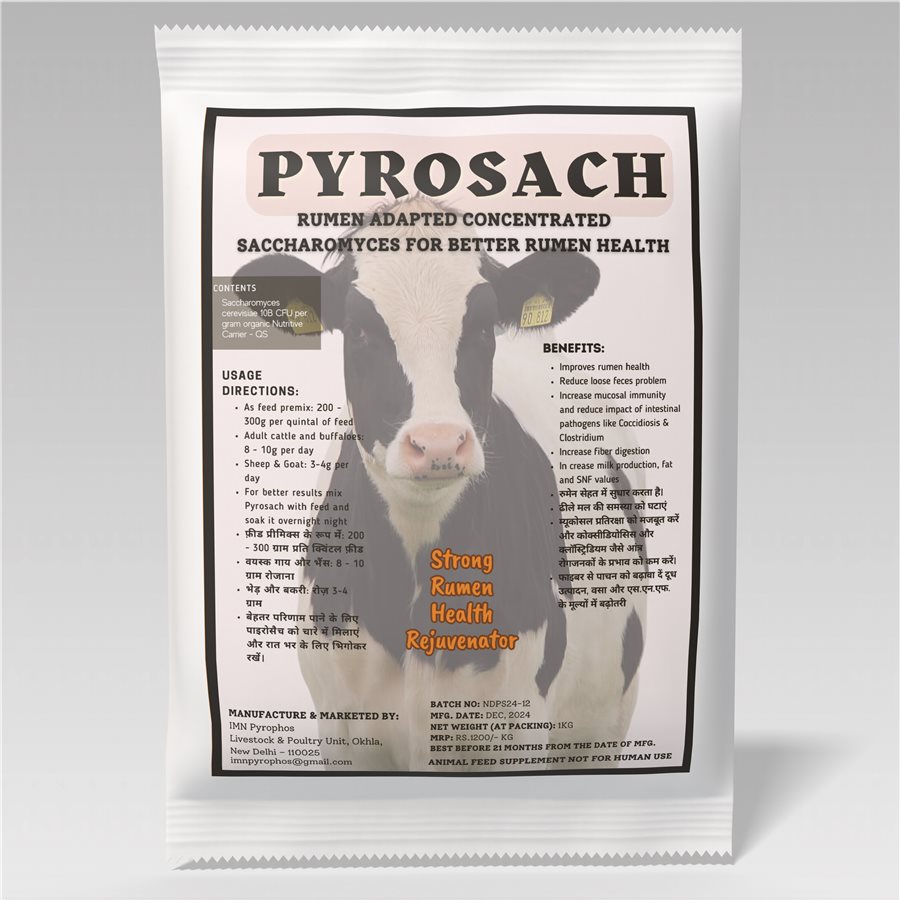
Pyrosach
Rumen-friendly Saccharomyces cerevisiae (1000 crore CFU per gram). Improves fibre digestion and rumen health, reduces loose dung, and supports milk, fat and SNF.
Dose: 8–10 g per adult cow or buffalo per day, or 200–300 g per quintal of feed. For best results, mix into the feed and soak overnight.
1 kg ₹700MRP ₹1,200
FAQ
How much has Vijaya milk become costlier?
By ₹2 per litre. A 500 ml pack of standardised milk went from ₹34 to ₹35 and whole milk from ₹39 to ₹40, in effect from 17 October 2026 at retail.
Will Telangana farmers get ₹2 more per litre?
The report does not say so. It mentions no change in procurement price. Ask your society or union about the current rate.
How can I earn a better rate for my milk?
Where payment depends on fat and SNF, improve feeding, mineral supply, udder health and hygiene, and deliver fresh, cool milk.
Source: DairyNews7x7, citing Hyderabad Mail, 17 Oct 2026. Written by the IMN Pyrophos team in our own words.
विजया डेयरी ने तेलंगाना में दूध ₹2 प्रति लीटर महंगा किया: डेयरी किसानों के लिए क्या मतलब (अक्टूबर 2026)
तेलंगाना स्टेट डेयरी डेवलपमेंट कोऑपरेटिव फेडरेशन लिमिटेड के ब्रांड विजया डेयरी (Vijaya Dairy) ने अपने स्टैंडर्डाइज़्ड और होल मिल्क का दाम ₹2 प्रति लीटर बढ़ा दिया है। बढ़ोतरी का ऐलान 15 अक्टूबर 2026 को हुआ, नए रेट 16 अक्टूबर की आधी रात से लागू हुए और दुकानों पर 17 अक्टूबर से नए दाम पर दूध बिका। कंपनी ने पूरी चेन में बढ़ते संचालन खर्च को वजह बताया है। किसानों के लिए असली सवाल दूसरा है: क्या दुकान का बढ़ा दाम किसान तक पहुँचेगा? रिपोर्ट में ऐसा कुछ नहीं कहा गया।
मुख्य तथ्य
| बात | विवरण |
|---|---|
| कंपनी | विजया डेयरी (तेलंगाना स्टेट डेयरी डेवलपमेंट कोऑपरेटिव फेडरेशन लिमिटेड) |
| बढ़ोतरी | स्टैंडर्डाइज़्ड और होल मिल्क पर ₹2 प्रति लीटर |
| ऐलान | 15 अक्टूबर 2026 |
| नए रेट लागू | 16 अक्टूबर 2026 की आधी रात से; रिटेल में 17 अक्टूबर से |
| 500 ml स्टैंडर्डाइज़्ड मिल्क (4.5% फैट) | ₹34 से ₹35 |
| 500 ml होल मिल्क (6% फैट) | ₹39 से ₹40 |
| प्रति लीटर के हिसाब से (हमारी गणना) | स्टैंडर्डाइज़्ड ₹68 से ₹70; होल ₹78 से ₹80 |
| किन पर लागू | उपभोक्ता, वेंडर, डिस्ट्रीब्यूटर, संस्थान, मॉडर्न रिटेल और ई-कॉमर्स |
| बताई गई वजह | पूरी चेन में बढ़ता संचालन खर्च |
| किसानों का procurement price | रिपोर्ट में ज़िक्र नहीं |
प्रति लीटर के आँकड़े 500 ml पैक के दाम को दोगुना करके निकाले गए हैं। इसी हिसाब से बढ़ोतरी लगभग 2.6 से 2.9 प्रतिशत बैठती है। यह भी हमारी अपनी गणना है, रिपोर्ट का आँकड़ा नहीं।
दाम क्यों बढ़ा
बताई गई वजह डेयरी चेन में संचालन खर्च का आम तौर पर बढ़ना है: दूध की खरीद, ढुलाई, पैकिंग और वितरण। रिपोर्ट इन खर्चों का ब्योरा नहीं देती कि किसमें कितनी बढ़त हुई, इसलिए हम नहीं कह सकते कि फैसले के पीछे सबसे बड़ा कारण कौन सा था। आम तौर पर, जो डेयरी हज़ारों गाँवों से दूध जुटाती है, उसे चिल करती है, पाउच में पैक करती है और रेफ्रिजरेटेड गाड़ियाँ चलाती है, उसका खर्च ईंधन, पैकिंग सामग्री और मज़दूरी के साथ बढ़ता है। कोऑपरेटिव फेडरेशन को दूध सस्ता भी रखना होता है और अपना हिसाब भी संतुलित, इसलिए ऐसे बदलाव अक्सर छोटे कदमों में आते हैं।
डेयरी किसानों के लिए इसका मतलब
बिक्री का दाम बढ़ना और किसान को मिलने वाला दाम बढ़ना एक बात नहीं है। रिपोर्ट में विजया द्वारा किसानों को दिए जाने वाले दूध के दाम में किसी बदलाव का ज़िक्र नहीं है, इसलिए हम यह दावा नहीं करते कि किसानों को इस ₹2 का कोई हिस्सा मिलेगा। Procurement price आम तौर पर अलग से तय होता है, दिए गए दूध के फैट और SNF के आधार पर, और अपने समय पर बदला जाता है।
फिर भी किसानों के लिए कुछ ज़रूरी बातें हैं:
- खेत और बाड़े का खर्च भी बढ़ रहा है। कई इलाकों में चारा, दाना और मज़दूरी महंगी हुई है, और किसान का मुनाफ़ा इस खर्च और मिलने वाले दूध के रेट के अंतर पर टिका है।
- बेहतर दूध पर बेहतर रेट। जहाँ भुगतान फैट और SNF से जुड़ा है, वहाँ क्वालिटी का हर सुधार दूध की पर्ची में दिखता है।
- सस्ते विकल्प शायद आगे आएँ। पैकेट का दूध महंगा होने पर कुछ परिवार स्थानीय विक्रेताओं से ज़्यादा खरीद सकते हैं, जिससे सीधे बेचने वाले किसानों को मदद मिल सकती है। यह एक संभावना है, रिपोर्ट की बात नहीं।
- पारदर्शिता ज़रूरी है। जो किसान सोसाइटी या यूनियन को दूध देते हैं, उन्हें जानने का हक़ है कि उनका रेट कैसे बनता है।
किसान अभी क्या करें
- अपनी सोसाइटी या यूनियन से सीधे पूछें कि procurement price बदल रहा है या नहीं, कब से और किस आधार पर।
- हर बार पर्ची पर फैट और SNF देखें और हफ्तों तक तुलना करें, ताकि आपको अपनी स्थिति पता रहे।
- दूध की क्वालिटी के लिए खिलाएँ: संतुलित राशन, भरपूर साफ पानी, अच्छा हरा चारा और रोज़ मिनरल मिक्सचर, सिर्फ़ दाना बढ़ाने के बजाय।
- दूध साफ और ठंडा रखें: साफ थन और बर्तन, समय पर सप्लाई, ताकि दूध रिजेक्ट या कम ग्रेड का न हो।
- थन की सेहत पर नज़र रखें। थनैला से उत्पादन और क्वालिटी दोनों गिरते हैं, इसलिए जल्दी पकड़ें और डॉक्टर के साथ इलाज करें।
- प्रति लीटर लागत लिखकर रखें (दाना, चारा, मज़दूरी, दवा)। इसके बिना कोई भी रेट सही है या नहीं, यह नहीं परखा जा सकता।
- सोसाइटी के दूसरे किसानों से बात करें और अगली बैठक में मिलकर सवाल उठाएँ।
रुमेन की सेहत
Pyrosach
रुमेन के अनुकूल Saccharomyces cerevisiae (1000 करोड़ CFU प्रति ग्राम)। रेशे का पाचन और रुमेन की सेहत सुधारता है, पतला गोबर घटाता है, दूध, फैट और SNF में सहायक।
मात्रा: 8–10 ग्राम प्रति वयस्क गाय या भैंस प्रति दिन, या 200–300 ग्राम प्रति क्विंटल दाना। अच्छे नतीजे के लिए दाने में मिलाकर रात भर भिगोएँ।
1 kg ₹700MRP ₹1,200
अक्सर पूछे जाने वाले सवाल
विजया का दूध कितना महंगा हुआ है?
₹2 प्रति लीटर। 500 ml स्टैंडर्डाइज़्ड मिल्क ₹34 से ₹35 और होल मिल्क ₹39 से ₹40 हो गया, जो रिटेल में 17 अक्टूबर 2026 से लागू है।
क्या तेलंगाना के किसानों को ₹2 प्रति लीटर ज़्यादा मिलेंगे?
रिपोर्ट में ऐसा नहीं कहा गया। उसमें procurement price में किसी बदलाव का ज़िक्र नहीं है। मौजूदा रेट के लिए अपनी सोसाइटी या यूनियन से पूछें।
अपने दूध का बेहतर रेट कैसे पाएँ?
जहाँ भुगतान फैट और SNF पर निर्भर है, वहाँ खुराक, मिनरल, थन की सेहत और सफाई सुधारें, और ताज़ा, ठंडा दूध पहुँचाएँ।
स्रोत: DairyNews7x7, Hyderabad Mail के हवाले से, 17 अक्टूबर 2026। IMN Pyrophos टीम ने अपने शब्दों में लिखा।
Vijaya Dairy ne Telangana me doodh ₹2 prati litre mehenga kiya: dairy kisanon ke liye kya matlab (October 2026)
Telangana State Dairy Development Cooperative Federation Limited ke brand Vijaya Dairy ne apne standardised aur whole milk ka daam ₹2 prati litre badha diya hai. Badhotri ka elaan 15 October 2026 ko hua, naye rate 16 October ki aadhi raat se lagu hue aur dukanon par 17 October se naye daam par doodh bika. Company ne poori chain me badhte sanchalan kharch ko wajah bataya hai. Kisanon ke liye asli sawal doosra hai: kya dukan ka badha daam kisan tak pahunchega? Report me aisa kuch nahi kaha gaya.
Mukhya tathya
| Baat | Vivaran |
|---|---|
| Company | Vijaya Dairy (Telangana State Dairy Development Cooperative Federation Ltd) |
| Badhotri | Standardised aur whole milk par ₹2 prati litre |
| Elaan | 15 October 2026 |
| Naye rate lagu | 16 October 2026 ki aadhi raat se; retail me 17 October se |
| 500 ml standardised milk (4.5% fat) | ₹34 se ₹35 |
| 500 ml whole milk (6% fat) | ₹39 se ₹40 |
| Prati litre ke hisab se (hamari ganana) | Standardised ₹68 se ₹70; whole ₹78 se ₹80 |
| Kin par lagu | Upbhokta, vendor, distributor, sansthan, modern retail aur e-commerce |
| Batayi gayi wajah | Poori chain me badhta sanchalan kharch |
| Kisanon ka procurement price | Report me zikr nahi |
Prati litre ke aankde 500 ml pack ke daam ko double karke nikaale gaye hain. Isi hisab se badhotri lagbhag 2.6 se 2.9 pratishat baithti hai. Yeh bhi hamari apni ganana hai, report ka aankda nahi.
Daam kyon badha
Batayi gayi wajah dairy chain me sanchalan kharch ka aam taur par badhna hai: doodh ki kharid, dhulayi, packing aur vitran. Report in kharchon ka byora nahi deti ki kisme kitni badhat hui, isliye hum nahi keh sakte ki faisle ke peeche sabse bada karan kaunsa tha. Aam taur par, jo dairy hazaaron gaon se doodh jutati hai, use chill karti hai, pouch me pack karti hai aur refrigerated gaadiyan chalati hai, uska kharch eendhan, packing samagri aur majdoori ke saath badhta hai. Cooperative federation ko doodh sasta bhi rakhna hota hai aur apna hisab bhi santulit, isliye aise badlav aksar chhote kadmon me aate hain.
Dairy kisanon ke liye iska matlab
Bikri ka daam badhna aur kisan ko milne wala daam badhna ek baat nahi hai. Report me Vijaya dwara kisanon ko diye jaane wale doodh ke daam me kisi badlav ka zikr nahi hai, isliye hum yeh dava nahi karte ki kisanon ko is ₹2 ka koi hissa milega. Procurement price aam taur par alag se tay hota hai, diye gaye doodh ke fat aur SNF ke aadhar par, aur apne samay par badla jata hai.
Phir bhi kisanon ke liye kuch zaroori baatein hain:
- Khet aur baade ka kharch bhi badh raha hai. Kai ilakon me chaara, daana aur majdoori mehengi hui hai, aur kisan ka munafa is kharch aur milne wale doodh ke rate ke antar par tika hai.
- Behtar doodh par behtar rate. Jahan bhugtan fat aur SNF se juda hai, wahan quality ka har sudhar doodh ki parchi me dikhta hai.
- Saste vikalp shayad aage aayein. Packet ka doodh mehenga hone par kuch parivar sthaniya vikretaon se zyada kharid sakte hain, jisse seedhe bechne wale kisanon ko madad mil sakti hai. Yeh ek sambhavna hai, report ki baat nahi.
- Paradarshita zaroori hai. Jo kisan society ya union ko doodh dete hain, unhe jaanne ka haq hai ki unka rate kaise banta hai.
Kisan abhi kya karein
- Apni society ya union se seedhe poochiye ki procurement price badal raha hai ya nahi, kab se aur kis aadhar par.
- Har baar parchi par fat aur SNF dekhiye aur hafton tak tulna kijiye, taaki aapko apni sthiti pata rahe.
- Doodh ki quality ke liye khilaiye: santulit ration, bharpoor saaf paani, achha hara chaara aur roz mineral mixture, sirf daana badhane ke bajay.
- Doodh saaf aur thanda rakhiye: saaf than aur bartan, samay par supply, taaki doodh reject ya kam grade ka na ho.
- Than ki sehat par nazar rakhiye. Thanela se utpadan aur quality dono girte hain, isliye jaldi pakdiye aur doctor ke saath ilaj kijiye.
- Prati litre lagat likhkar rakhiye (daana, chaara, majdoori, dawa). Iske bina koi bhi rate sahi hai ya nahi, yeh nahi parkha ja sakta.
- Society ke doosre kisanon se baat kijiye aur agli baithak me milkar sawal uthaiye.
Rumen ki sehat
Pyrosach
Rumen ke anukool Saccharomyces cerevisiae (1000 crore CFU prati gram). Reshe ka pachan aur rumen ki sehat sudharta hai, patla gobar ghatata hai, doodh, fat aur SNF me sahayak.
Matra: 8–10 g prati vayask gaay ya bhains prati din, ya 200–300 g prati quintal daana. Achhe natije ke liye daane me mila kar raat bhar bhigoiye.
1 kg ₹700MRP ₹1,200
Aksar puchhe jaane wale sawal
Vijaya ka doodh kitna mehenga hua hai?
₹2 prati litre. 500 ml standardised milk ₹34 se ₹35 aur whole milk ₹39 se ₹40 ho gaya, jo retail me 17 October 2026 se lagu hai.
Kya Telangana ke kisanon ko ₹2 prati litre zyada milenge?
Report me aisa nahi kaha gaya. Usme procurement price me kisi badlav ka zikr nahi hai. Maujooda rate ke liye apni society ya union se poochiye.
Apne doodh ka behtar rate kaise paayein?
Jahan bhugtan fat aur SNF par nirbhar hai, wahan khurak, mineral, than ki sehat aur safai sudhariye, aur taaza, thanda doodh pahunchaiye.
Source: DairyNews7x7, Hyderabad Mail ke hawale se, 17 October 2026. IMN Pyrophos team ne apne shabdon me likha.