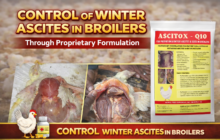

Ascites in Broilers: Core Physiology, Causes, and Scientific Treatment Approach

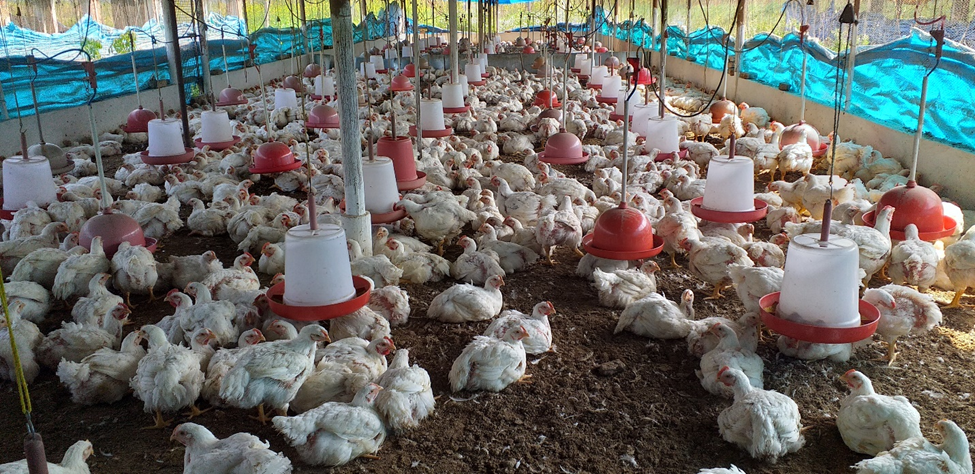
Ascites in broilers, often referred to by farmers as water belly in broiler chickens, is one of the most economically damaging metabolic syndromes in modern poultry production. Despite decades of research, ascites continues to challenge broiler farmers, integrators, and poultry consultants, particularly in fast-growing commercial strains.
Many farmers search online for ascites in broiler treatment or broiler ascites treatment, expecting a single medicine or quick fix. However, ascites is not a conventional disease that can be cured with antibiotics or symptomatic drugs. It is a systemic physiological failure, rooted in the imbalance between growth demand and the bird’s cardiopulmonary and metabolic capacity.
To understand why ascites occurs—and why only a physiology-based solution can control it—we must first understand the biological pressure under which modern broilers are raised.
What Is Ascites in Broilers? (Water Belly Explained Scientifically)
Ascites syndrome in broilers is characterized by the accumulation of fluid in the abdominal cavity. This fluid buildup gives the bird a distended abdomen, reduced activity, labored breathing, and eventually leads to mortality if the condition progresses.
However, it is important to understand that ascites is not a fluid disease. The fluid is merely the final visible outcome of a long chain of physiological events.
In simple terms, ascites develops when:
- Oxygen demand exceeds oxygen supply
- The heart and lungs fail to compensate
- Blood circulation becomes inefficient
- Pressure builds up in the pulmonary system
- Fluid leaks into the abdominal cavity
This is why ascites is more accurately described as a cardiopulmonary-metabolic syndrome, not a digestive or infectious problem.
Why Ascites in Broilers Is Increasing in Modern Poultry Farming
The incidence of broiler ascites has increased primarily due to genetic progress. Modern broilers are genetically selected for:
- Extremely rapid muscle growth
- High feed efficiency
- Short market age
While muscle tissue has responded dramatically to genetic selection, support systems such as lungs, heart size, blood buffering capacity, and vascular adaptability have biological limits.
This mismatch creates what can be called physiological overload.
In earlier poultry systems, birds grew slower, giving internal organs time to adapt. Today, growth happens so rapidly that the bird’s internal systems operate near their maximum capacity throughout the production cycle.
Core Physiology of Ascites in Broilers
1. Oxygen Demand vs Oxygen Supply
The fundamental cause of ascites in broiler chickens is a mismatch between oxygen demand and oxygen availability.
As muscle mass increases:
- Oxygen consumption increases
- Cardiac output must rise
- Pulmonary circulation must expand
However, broiler lungs are rigid structures with limited capacity for expansion. Unlike mammals, birds do not have elastic lungs; instead, they rely on air sacs and unidirectional airflow. This system is efficient but not designed for extreme metabolic acceleration.
When oxygen supply cannot meet demand, tissues shift toward anaerobic metabolism, setting the stage for ascites.
2. Metabolic Acidosis and Acid Load
Anaerobic metabolism leads to the accumulation of acidic metabolic by-products. Over time, this creates a condition of chronic metabolic acidosis.
This acidic load:
- Reduces cardiac efficiency
- Alters vascular tone
- Increases pulmonary resistance
The bird’s natural buffering systems attempt to neutralize this acidity, but under continuous growth pressure, these systems become overwhelmed.
This is a critical point often ignored in conventional discussions on broiler ascites treatment.
3. Pulmonary Hypertension and Right Heart Failure
As metabolic stress and hypoxia persist:
- Pulmonary blood vessels constrict
- Resistance in lung circulation increases
- The right ventricle must pump harder
Initially, the heart compensates by enlarging. Over time, this compensation fails, leading to right-sided heart failure.
When venous pressure rises, fluid leaks from blood vessels into the abdominal cavity, producing the classic signs of ascites or water belly in broiler chickens.
Why Ascites Is a Progressive Syndrome (Not Sudden Like SDS)
Unlike Sudden Death Syndrome (SDS), which represents an acute metabolic collapse, ascites develops gradually. Birds may show subtle signs days or weeks before death:
- Reduced activity
- Slight respiratory distress
- Poor uniformity
- Increased feed conversion ratio
This slow progression often misleads farmers into ignoring early warning signs until losses become severe.
Why Conventional Treatments Fail in Ascites
Many farmers attempt broiler ascites treatment using:
- Antibiotics
- Liver tonics
- Diuretics
- Electrolyte powders
While these may offer temporary relief, they do not address the root cause.
Ascites is not caused by bacteria.
It is not caused by liver infection.
It is not caused by water quality alone.
Therefore, treatment strategies that ignore acid-base balance, oxygen utilization, blood viscosity, and cardiovascular stress are inherently limited.
The Correct Treatment Philosophy for Ascites in Broilers
Effective ascites management requires a system-level correction, not symptomatic suppression.
The core objectives of ascites control are:
- Stabilizing acid-base balance
- Supporting blood buffering capacity
- Improving oxygen utilization
- Reducing pulmonary and cardiac load
- Controlling oxidative stress
- Preventing blood viscosity increase
- Modulating stress response
This is where a scientifically designed metabolic stabilizer like Ascitox fits into the treatment framework.
Ascitox: A Physiology-Driven Approach to Broiler Ascites Treatment
Ascitox is not positioned as a “medicine” in the traditional sense. Instead, it is designed as a metabolic correction and stabilization tool, aimed at the physiological culprits that drive ascites in broilers.
To understand how Ascitox works, it is important to break its action into functional systems, rather than focusing on individual ingredients.
1. DCAD Support System (Electrolyte Direction Control)
Dietary Cation–Anion Difference (DCAD) plays a crucial role in regulating blood pH and electrolyte balance.
In ascites-prone birds:
- Acid load pushes the system toward metabolic acidosis
- Cardiac and vascular efficiency declines
Ascitox provides DCAD-supportive components that help shift electrolyte balance in a direction that favors:
- pH stability
- Cardiac electrical stability
- Improved vascular tone
This does not artificially alkalize the bird but supports the bird’s natural buffering mechanisms.
2. Acid–Base Buffering Support
One of the most critical aspects of ascites in broilers treatment is buffering excess acid produced during high metabolic activity.
Ascitox supports:
- Neutralization of excess hydrogen ions
- Stabilization of blood pH within a functional range
- Protection of enzyme systems sensitive to pH fluctuations
In practical terms, this buffering support helps prevent the slow metabolic drift toward failure that characterizes ascites syndrome in broilers.
3. Antioxidant Defense System
High metabolic rate inevitably increases oxidative stress. Free radicals damage:
- Cardiac muscle cells
- Pulmonary blood vessels
- Red blood cell membranes
Ascitox incorporates a strong antioxidant support system that:
- Neutralizes free radicals
- Protects vascular endothelium
- Preserves cardiac tissue integrity
By reducing oxidative stress, Ascitox indirectly lowers pulmonary resistance and cardiac workload.
4. Blood Viscosity and Microcirculation Management
One often overlooked factor in broiler ascites is blood viscosity.
Stress, dehydration, and metabolic imbalance can thicken blood, reducing microcirculation and oxygen delivery.
Ascitox supports:
- Smoother blood flow
- Improved microcirculation
- Better oxygen transport to tissues
This reduces pressure on the pulmonary system and improves overall cardiovascular efficiency.
5. Neural and Stress Response Modulation
Stress hormones such as catecholamines increase heart rate, blood pressure, and metabolic demand. Chronic stress worsens both SDS and ascites.
Ascitox includes neuro-metabolic modulators that:
- Reduce excessive stress response
- Stabilize autonomic nervous system activity
- Prevent panic-driven metabolic overload
This is especially important during environmental stress, vaccination, feed changes, or sudden climatic fluctuations.
6. Cardiovascular and Pulmonary Support
Ascites is fundamentally a cardiovascular problem.
Ascitox supports:
- Pulmonary blood flow efficiency
- Reduced right ventricular strain
- Improved oxygen utilization
This does not force the heart to work harder. Instead, it reduces resistance, allowing the heart to function within safer physiological limits.
7. Herbal Adaptogenic Support
Herbal adaptogens in Ascitox play a supportive role by:
- Enhancing stress tolerance
- Supporting liver and metabolic recovery
- Improving systemic resilience
These components do not act as drugs but help the bird adapt to unavoidable production stress.
Why Ascitox Is Not a Daily Growth Product
Ascitox is not designed for continuous daily use like vitamins or growth promoters. It is intended as:
- A strategic intervention
- An emergency metabolic stabilizer
- A preventive support during high-risk periods
These include:
- Rapid growth phases
- Cold stress
- Poor ventilation conditions
- High altitude farming
- Sudden feed or management changes
Why Every Serious Broiler Farm Should Keep Ascitox Available
One of the most dangerous aspects of ascites in broilers is its irreversibility in advanced stages. Once severe fluid accumulation occurs, recovery is unlikely.
Therefore, proactive farms focus on:
- Early physiological correction
- System stabilization
- Preventing progression rather than chasing cure
Ascitox serves as a first-response metabolic tool, allowing farmers to act before irreversible damage occurs.
Conclusion: Rethinking Ascites in Broiler Chickens
Ascites in broilers is not a random event, nor is it a simple disease. It is a biological consequence of pushing growth beyond physiological comfort zones.
Effective broiler ascites treatment requires:
- Understanding core physiology
- Respecting metabolic limits
- Supporting natural buffering and cardiovascular systems
Ascitox aligns with this modern, science-based approach by addressing the true culprits behind ascites syndrome in broilers, rather than masking symptoms.
In modern poultry farming, survival does not depend on maximum growth alone—it depends on metabolic balance.
ब्रॉयलर में Ascites (Water Belly) – अक्सर पूछे जाने वाले सवाल (FAQs)
FAQ 1: ब्रॉयलर में Ascites क्या होता है?
ब्रॉयलर में Ascites एक ऐसी स्थिति है जिसमें पेट के अंदर पानी भर जाता है, इसी वजह से इसे आम भाषा में Water Belly भी कहा जाता है।
लेकिन यह समझना बहुत जरूरी है कि Ascites कोई साधारण बीमारी नहीं है।
असल में Ascites तब होता है जब ब्रॉयलर का दिल और फेफड़े, तेज़ी से बढ़ते शरीर की ऑक्सीजन की ज़रूरत पूरी नहीं कर पाते। धीरे-धीरे दिल पर ज़्यादा दबाव पड़ता है, खून का बहाव बिगड़ता है और आखिर में पेट में पानी भरना शुरू हो जाता है।
सीधे शब्दों में कहें तो
👉 Ascites पानी की बीमारी नहीं है, पानी तो इसका आखिरी लक्षण है।
FAQ 2: क्या Ascites कोई बीमारी है या मैनेजमेंट की गलती?
Ascites न तो इंफेक्शन है और न ही सिर्फ मैनेजमेंट की गलती।
यह एक फिज़ियोलॉजिकल और मेटाबॉलिक सिस्टम फेल्योर है।
तेज़ ग्रोथ, ठंडा मौसम, कम वेंटिलेशन, ज्यादा ऊँचाई पर फार्म, या अचानक स्ट्रेस – ये सब Ascites को ट्रिगर कर सकते हैं, लेकिन असली समस्या होती है:
- ऑक्सीजन की कमी
- एसिड-बेस बैलेंस बिगड़ना
- दिल और फेफड़ों पर ज़्यादा लोड
FAQ 3: ब्रॉयलर में Ascites होने के मुख्य कारण क्या हैं?
Ascites किसी एक कारण से नहीं होता, बल्कि कई फैक्टर मिलकर इसे पैदा करते हैं, जैसे:
- बहुत तेज़ ग्रोथ रेट
- शरीर की ज़रूरत से कम ऑक्सीजन मिलना
- लगातार एसिड बनने की स्थिति (Metabolic Acidosis)
- फेफड़ों में प्रेशर बढ़ना
- दिल के दाहिने हिस्से पर ज़्यादा दबाव
- खून का गाढ़ा होना
- ऑक्सीडेटिव स्ट्रेस
इसीलिए इसे Ascites Syndrome कहा जाता है, न कि एक साधारण बीमारी।
FAQ 4: तेज़ी से बढ़ने वाले ब्रॉयलर में Ascites ज्यादा क्यों होता है?
आज का ब्रॉयलर बहुत तेज़ी से मसल बनाता है।
मसल ग्रोथ तो बहुत आगे निकल गई है, लेकिन दिल, फेफड़े और खून को बैलेंस करने वाला सिस्टम उतनी तेज़ी से नहीं बढ़ पाया।
इस असंतुलन की वजह से:
- ऑक्सीजन की डिमांड बहुत बढ़ जाती है
- सप्लाई पीछे रह जाती है
- और सिस्टम पर ज़्यादा प्रेशर पड़ता है
यही वजह है कि फास्ट-ग्रोइंग ब्रॉयलर में Ascites का रिस्क ज्यादा होता है।
FAQ 5: ब्रॉयलर में Ascites आमतौर पर किस उम्र में दिखता है?
Ascites ज़्यादातर 3–4 हफ्ते की उम्र के बाद दिखाई देता है, जब ग्रोथ और मेटाबॉलिक लोड तेज़ हो जाता है।
लेकिन ध्यान रखने वाली बात यह है कि:
👉 Ascites की शुरुआत अक्सर पहले हो चुकी होती है, लक्षण बाद में दिखते हैं।
FAQ 6: Ascites के शुरुआती लक्षण क्या होते हैं?
Ascites के शुरुआती लक्षण अक्सर हल्के होते हैं, जैसे:
- पक्षी सुस्त लगना
- हल्की सांस की परेशानी
- फ्लॉक में यूनिफॉर्मिटी कम होना
- FCR बिगड़ना
- पक्षियों का ज़्यादा बैठना
पेट में पानी तब दिखता है जब समस्या काफी आगे बढ़ चुकी होती है।
FAQ 7: क्या पेट में पानी ही Ascites की असली समस्या है?
नहीं। पेट में पानी भरना सिर्फ आखिरी नतीजा है।
असली समस्या होती है:
- दिल और फेफड़ों का ठीक से काम न कर पाना
- खून के बहाव में रुकावट
- ऑक्सीजन की कमी
अगर सिर्फ पानी पर ध्यान दिया जाए और सिस्टम को न सुधारा जाए, तो समस्या बार-बार लौटती है।
FAQ 8: क्या Ascites पूरी तरह ठीक हो सकता है?
एडवांस स्टेज Ascites पूरी तरह ठीक नहीं होता।
जब दिल और फेफड़े बहुत ज़्यादा कमजोर हो जाते हैं और पेट में बहुत पानी भर जाता है, तो रिकवरी मुश्किल हो जाती है।
इसीलिए Ascites में सबसे जरूरी है:
👉 Early correction और prevention, न कि late treatment।
FAQ 9: Ascites में एंटीबायोटिक क्यों काम नहीं करते?
क्योंकि Ascites बैक्टीरिया से नहीं होता।
एंटीबायोटिक:
- ऑक्सीजन की कमी ठीक नहीं करते
- एसिड-बेस बैलेंस नहीं सुधारते
- दिल और फेफड़ों का लोड कम नहीं करते
इसलिए एंटीबायोटिक देने से खर्च बढ़ता है, फायदा नहीं।
FAQ 10: ब्रॉयलर Ascites का सही इलाज क्या है?
Ascites का सही इलाज लक्षणों पर नहीं, कारणों पर काम करना है।
सही अप्रोच में शामिल है:
- एसिड-बेस बैलेंस को ठीक करना
- शरीर की buffering capacity को सपोर्ट देना
- ऑक्सीजन उपयोग बेहतर बनाना
- दिल और फेफड़ों पर दबाव कम करना
- ऑक्सीडेटिव स्ट्रेस कंट्रोल करना
FAQ 11: Ascitox क्या है?
Ascitox कोई एंटीबायोटिक या टॉनिक नहीं है।
यह एक metabolic stabilizer है, जो Ascites और SDS के दौरान बिगड़ते सिस्टम को संभालने में मदद करता है।
Ascitox बीमारी को नहीं,
👉 बायोलॉजिकल फेल्योर को टारगेट करता है।
FAQ 12: Ascitox Ascites में कैसे काम करता है?
Ascitox शरीर में:
- एसिड-बेस बैलेंस को सपोर्ट करता है
- Natural buffering system को मजबूत करता है
- ऑक्सीडेटिव स्ट्रेस कम करता है
- खून के बहाव और ऑक्सीजन सप्लाई को बेहतर बनाता है
- दिल और फेफड़ों पर मेटाबॉलिक लोड घटाता है
यानी Ascitox root cause पर काम करता है, न कि सिर्फ symptom पर।
FAQ 13: क्या Ascitox पेट का पानी निकाल देता है?
नहीं। Ascitox सीधे पानी नहीं निकालता।
यह उस प्रक्रिया को रोकने या धीमा करने की कोशिश करता है,
जिसकी वजह से पानी बनता है।
यही Ascites को कंट्रोल करने का सही वैज्ञानिक तरीका है।
FAQ 14: क्या Ascitox SDS और Ascites दोनों में उपयोगी है?
हाँ। SDS और Ascites दोनों के पीछे:
- एसिडिटी
- ऑक्सीडेटिव स्ट्रेस
- दिल पर दबाव
जैसे common कारण होते हैं।
Ascitox इन common factors को टारगेट करता है।
FAQ 15: क्या Ascitox रोज़ाना देना चाहिए?
नहीं। Ascitox रोज़ देने वाला प्रोडक्ट नहीं है।
यह:
- Strategic use
- Emergency support
- High-risk phase में उपयोग
के लिए बनाया गया है।
FAQ 16: क्या Ascitox मैनेजमेंट और वेंटिलेशन का विकल्प है?
बिल्कुल नहीं।
Ascitox एक support tool है, replacement नहीं।
अच्छा वेंटिलेशन, सही तापमान और मैनेजमेंट हमेशा जरूरी रहेगा।
FAQ 17: हर फार्म पर Ascitox होना क्यों जरूरी है?
क्योंकि SDS और Ascites अक्सर बिना warning के आते हैं।
अगर समय पर support नहीं मिला, तो नुकसान बहुत बढ़ सकता है।
Ascitox होने से early intervention संभव होता है।
FAQ 18: क्या Ascitox वजन बढ़ाता है?
नहीं। Ascitox growth promoter नहीं है।
यह सिस्टम को stable रखता है,
जिससे survival और uniformity बेहतर होती है।
FAQ 19: क्या Ascitox दूसरे supplements के साथ दिया जा सकता है?
हाँ। Ascitox को सामान्य feed और water program के साथ safely इस्तेमाल किया जा सकता है।
FAQ 20: Ascites कंट्रोल में किसान सबसे बड़ी गलती क्या करते हैं?
सबसे बड़ी गलती है Ascites को:
👉 साधारण बीमारी समझ लेना
जब तक इसे system failure की तरह नहीं समझा जाएगा,
तब तक permanent control संभव नहीं है।
✅ अंतिम बात (Farmer ke liye)
Ascites डरने की चीज़ नहीं है,
अगर उसे सही समय पर सही तरीके से समझा जाए।