
Milk has become costlier in Guwahati. From 16 November 2026, retail milk in the Assam city sells at ₹71.80 a litre, up ₹2.60 from ₹69.20, after the Greater Guwahati Dairy Farmers’ Association announced the new rate. It is the city’s first milk price adjustment in a year, and it follows an earlier ₹2 a litre rise in raw-milk charges by farmers who say feed, fodder, veterinary and labour costs have gone up. For dairy farmers everywhere, the message is clear: input costs are driving the milk price, so cost per litre is the number to watch.
Key facts
| Item | Detail |
|---|---|
| Retail milk price | ₹69.20 to ₹71.80 per litre (up ₹2.60) |
| Wholesale price (tea stalls, institutions) | ₹66.60 to ₹69.20 per litre |
| Effective from | 16 November 2026 |
| Announced by | Greater Guwahati Dairy Farmers’ Association |
| Earlier raw-milk rise | ₹2 per litre on 1 November 2026 |
| Reasons given | Costlier feed, green fodder, veterinary services and labour |
| Last adjustment | About a year ago |
Why the price went up
The association says the increase was finalised in early November, right after farmers raised their raw-milk charges by ₹2 a litre on 1 November. Farmers pointed to more expensive concentrated feed, green fodder, veterinary care and farm labour. Traders and collection unions had been absorbing lower distribution margins in the meantime. The leaders chose to start the new rates only on 16 November, to ease the pressure on household budgets during the festive period.
Guwahati is not alone. Amul and Mother Dairy raised packaged milk prices by ₹2 to ₹4 a litre in major metro markets on 12 November, also citing higher fodder, packaging and refrigerated transport costs. Much of Guwahati’s milk comes from nearby villages such as Chandrapur, Amsing Jorabat, Khanapara and Azara, so small farmers in these belts feel feed and fodder inflation first.
What it means for dairy farmers
A higher selling price does not automatically mean a higher profit. Feed is usually the biggest cost of producing milk, so when concentrate and fodder rates rise, much of the extra income can disappear before it reaches the farmer. Several points matter in practice:
- Margin squeeze: if feed, vet and labour costs rise as fast as the milk price, the margin per litre stays the same or shrinks.
- Weak animals suffer most: a low-yielding animal eating the same expensive feed costs more per litre than a good one.
- Buyers may resist: households and tea stalls watch every rupee, so volumes can soften if prices keep climbing.
- Costs hit unevenly: farmers who buy all their fodder feel the rise far more than those who grow their own.
What farmers should do now: cut cost per litre
- Know your real cost per litre. Write down daily feed, fodder, medicine and labour spending and divide by total milk. You cannot cut what you do not measure.
- Grow or secure green fodder early. Home-grown or locally contracted fodder is usually cheaper than buying in a shortage. Plan the next sowing now.
- Feed by milk yield, not by habit. Give concentrate in proportion to what each animal actually produces, and do not overfeed low yielders.
- Reduce waste. Chop fodder, keep feed dry and covered, use clean mangers so animals do not trample or spoil it.
- Improve feed use with minerals. A balanced daily mineral mixture helps the animal convert feed into milk and keeps fertility on track. Follow the pack dose.
- Cull or fix the poor performers. Animals that repeatedly fail to conceive or give very little milk eat as much as the best ones. Get them examined by a vet.
- Prevent disease. Deworming, vaccination and clean sheds are cheaper than treating mastitis or fever, and sick animals lose milk.
Chelated mineral · small daily dose
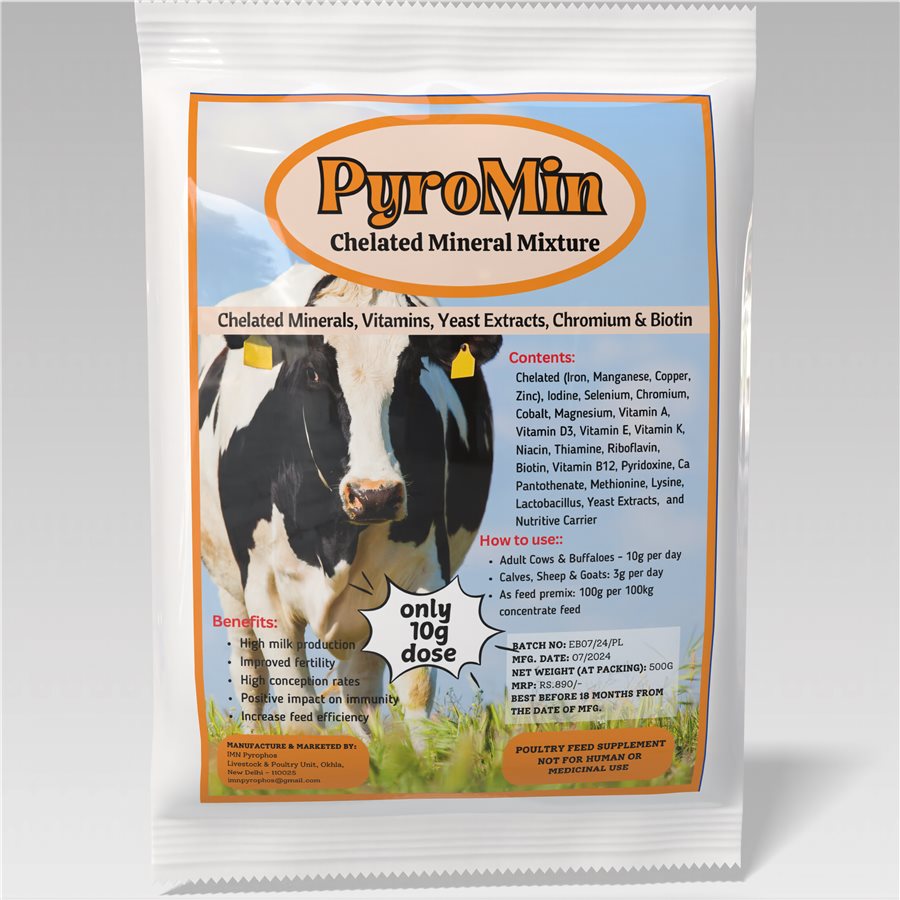
Pyromin
Chelated iron, manganese, copper, zinc, iodine, selenium, chromium, cobalt and magnesium, with vitamins A, D3, E, K and B vitamins, biotin, methionine, lysine, lactobacillus and yeast extract. Supports milk production, fertility, conception, immunity and feed efficiency.
Dose: adult cow or buffalo 10 g per day; calves, sheep and goats 3 g per day. As a premix: 100 g per 100 kg concentrate.
1 kg ₹655MRP ₹1,190
FAQ
How much did milk prices rise in Guwahati?
Retail milk rose ₹2.60 a litre, from ₹69.20 to ₹71.80. Wholesale milk for tea stalls and institutions rose from ₹66.60 to ₹69.20 a litre.
When do the new Guwahati milk rates apply?
From 16 November 2026. The increase was finalised earlier but delayed to ease festive-season household spending.
Will farmers earn more because of this?
Not necessarily. Farmers had already faced higher feed, fodder, veterinary and labour costs, so the benefit depends on how well they control cost per litre.
Source: Dairy News Today, 17 Nov 2026. Written by the IMN Pyrophos team in our own words.
गुवाहाटी में दूध ₹2.60 महंगा, ₹71.80 प्रति लीटर: चारा-दाना महंगा होने का डेयरी किसानों पर असर
गुवाहाटी में दूध महंगा हो गया है। 16 नवंबर 2026 से असम के इस शहर में खुला दूध ₹71.80 प्रति लीटर बिकेगा, यानी ₹69.20 से ₹2.60 ज़्यादा। नया रेट ग्रेटर गुवाहाटी डेयरी फार्मर्स एसोसिएशन ने घोषित किया। शहर में एक साल में यह पहला बदलाव है, और इससे पहले किसानों ने कच्चे दूध का रेट ₹2 प्रति लीटर बढ़ाया था, क्योंकि दाना, चारा, पशु-चिकित्सा और मज़दूरी का खर्च बढ़ गया है। हर डेयरी किसान के लिए सीख साफ़ है: दूध का भाव लागत से चलता है, इसलिए प्रति लीटर लागत पर नज़र रखें।
मुख्य तथ्य
| बिंदु | विवरण |
|---|---|
| खुदरा दूध का भाव | ₹69.20 से ₹71.80 प्रति लीटर (₹2.60 की बढ़त) |
| थोक भाव (चाय की दुकानें, संस्थान) | ₹66.60 से ₹69.20 प्रति लीटर |
| लागू होने की तारीख | 16 नवंबर 2026 |
| घोषणा किसने की | ग्रेटर गुवाहाटी डेयरी फार्मर्स एसोसिएशन |
| इससे पहले कच्चे दूध में बढ़त | 1 नवंबर 2026 को ₹2 प्रति लीटर |
| बताए गए कारण | महंगा दाना, हरा चारा, पशु-चिकित्सा और मज़दूरी |
| पिछला बदलाव | लगभग एक साल पहले |
भाव क्यों बढ़ा
एसोसिएशन के अनुसार बढ़ोतरी नवंबर की शुरुआत में तय हुई, जब किसानों ने 1 नवंबर को कच्चे दूध का रेट ₹2 प्रति लीटर बढ़ाया। किसानों ने महंगे दाने, हरे चारे, पशु-चिकित्सा और खेत की मज़दूरी का हवाला दिया। इस बीच व्यापारी और संग्रह यूनियनें कम वितरण मार्जिन खुद सह रही थीं। नेताओं ने नए रेट 16 नवंबर से लागू करने का फ़ैसला किया, ताकि त्योहारों के समय घरों के बजट पर बोझ कम रहे।
यह सिर्फ़ गुवाहाटी की बात नहीं है। अमूल और मदर डेयरी ने 12 नवंबर को बड़े महानगरों में पैकेट दूध ₹2 से ₹4 प्रति लीटर महंगा किया, और कारण बताया ज़्यादा चारे, पैकेजिंग और ठंडे परिवहन का खर्च। गुवाहाटी का काफ़ी दूध चंद्रपुर, अमसिंग जोरबाट, खानापाड़ा और अज़ारा जैसे आसपास के गाँवों से आता है, इसलिए इन इलाकों के छोटे किसानों पर चारे-दाने की महंगाई का असर सबसे पहले पड़ता है।
डेयरी किसानों के लिए इसका मतलब
दूध का भाव बढ़ने का मतलब अपने आप ज़्यादा मुनाफ़ा नहीं है। दूध बनाने में सबसे बड़ा खर्च आम तौर पर खुराक का होता है, इसलिए दाना-चारा महंगा होने पर बढ़ी कमाई का बड़ा हिस्सा किसान तक पहुँचने से पहले ही निकल जाता है। व्यवहार में ये बातें मायने रखती हैं:
- मार्जिन पर दबाव: अगर दाना, दवा और मज़दूरी उतनी ही तेज़ी से बढ़ें जितना दूध का भाव, तो प्रति लीटर मुनाफ़ा वहीं रहता है या घट जाता है।
- कमज़ोर पशु पर सबसे भारी: कम दूध देने वाला पशु वही महंगा दाना खाकर अच्छे पशु से ज़्यादा लागत प्रति लीटर लाता है।
- ग्राहक पीछे हट सकते हैं: घर और चाय की दुकानें हर रुपये का हिसाब रखती हैं, भाव बढ़ते रहे तो बिक्री ढीली पड़ सकती है।
- असर सब पर बराबर नहीं: जो किसान सारा चारा खरीदते हैं, उन पर असर अपना चारा उगाने वालों से कहीं ज़्यादा है।
किसान अभी क्या करें: प्रति लीटर लागत घटाएँ
- अपनी असली लागत प्रति लीटर जानें। रोज़ का दाना, चारा, दवा और मज़दूरी लिखें और कुल दूध से भाग दें। जो नापा नहीं, वो घटाया नहीं जा सकता।
- हरा चारा पहले से पक्का करें। अपना उगाया या स्थानीय अनुबंध वाला चारा कमी के समय खरीदने से आम तौर पर सस्ता पड़ता है। अगली बुआई की योजना अभी बनाएँ।
- आदत से नहीं, दूध के हिसाब से खिलाएँ। हर पशु जितना दूध देता है उसी अनुपात में दाना दें, कम दूध वाले को ज़्यादा न खिलाएँ।
- बर्बादी रोकें। चारा काटकर दें, दाना सूखा और ढका रखें, साफ़ नाँद रखें ताकि पशु उसे रौंदे या बिगाड़े नहीं।
- मिनरल से खुराक का फ़ायदा बढ़ाएँ। रोज़ दिया गया संतुलित मिनरल मिक्सचर पशु को चारे को दूध में बदलने में मदद करता है और प्रजनन ठीक रखता है। पैकेट की मात्रा मानें।
- कमज़ोर पशुओं को ठीक करें या हटाएँ। जो पशु बार-बार गाभिन नहीं होते या बहुत कम दूध देते हैं, वे सबसे अच्छे पशु जितना ही खाते हैं। डॉक्टर से जाँच कराएँ।
- बीमारी से बचाव करें। कीड़ों की दवा, टीकाकरण और साफ़ बाड़ा थनैला या बुखार के इलाज से सस्ता है, और बीमार पशु दूध घटा देता है।
चिलेटेड मिनरल · रोज़ थोड़ी मात्रा
Pyromin
चिलेटेड आयरन, मैंगनीज़, कॉपर, ज़िंक, आयोडीन, सेलेनियम, क्रोमियम, कोबाल्ट और मैग्नीशियम, साथ में विटामिन A, D3, E, K और B विटामिन, बायोटिन, मेथियोनीन, लाइसीन, लैक्टोबैसिलस और यीस्ट एक्सट्रैक्ट। दूध उत्पादन, प्रजनन, गाभिन ठहरने, रोग प्रतिरोधक क्षमता और चारे के बेहतर उपयोग में सहायक।
मात्रा: वयस्क गाय या भैंस को 10 ग्राम प्रति दिन; बछड़े, भेड़ और बकरी को 3 ग्राम प्रति दिन। प्रीमिक्स के रूप में 100 ग्राम प्रति 100 किलो दाना।
1 kg ₹655MRP ₹1,190
अक्सर पूछे जाने वाले सवाल
गुवाहाटी में दूध कितना महंगा हुआ?
खुदरा दूध ₹2.60 प्रति लीटर बढ़कर ₹69.20 से ₹71.80 हो गया। चाय की दुकानों और संस्थानों के लिए थोक दूध ₹66.60 से ₹69.20 प्रति लीटर हो गया।
नए रेट कब से लागू हैं?
16 नवंबर 2026 से। बढ़ोतरी पहले तय हो चुकी थी, पर त्योहारों में घरों का खर्च हल्का रखने के लिए इसे टाला गया।
क्या इससे किसानों की कमाई बढ़ेगी?
ज़रूरी नहीं। किसानों पर पहले से दाना, चारा, पशु-चिकित्सा और मज़दूरी का बोझ बढ़ा था, इसलिए फ़ायदा इस पर निर्भर है कि वे प्रति लीटर लागत कितनी काबू में रखते हैं।
स्रोत: Dairy News Today, 17 नवंबर 2026। IMN Pyrophos टीम ने अपने शब्दों में लिखा।
Guwahati me doodh ₹2.60 mehnga, ₹71.80 prati litre: chaara-daana mehnga hone ka dairy kisanon par asar
Guwahati me doodh mehnga ho gaya hai. 16 November 2026 se Assam ke is shehar me khula doodh ₹71.80 prati litre bikega, yaani ₹69.20 se ₹2.60 zyada. Naya rate Greater Guwahati Dairy Farmers’ Association ne ghoshit kiya. Shehar me ek saal me ye pehla badlaav hai, aur isse pehle kisanon ne kachche doodh ka rate ₹2 prati litre badhaya tha, kyonki daana, chaara, pashu-chikitsa aur mazdoori ka kharch badh gaya hai. Har dairy kisan ke liye seekh saaf hai: doodh ka bhaav laagat se chalta hai, isliye prati litre laagat par nazar rakhein.
Mukhya tathya
| Bindu | Vivaran |
|---|---|
| Khudra doodh ka bhaav | ₹69.20 se ₹71.80 prati litre (₹2.60 ki badhat) |
| Thok bhaav (chai ki dukaane, sansthan) | ₹66.60 se ₹69.20 prati litre |
| Laagu hone ki tareekh | 16 November 2026 |
| Ghoshna kisne ki | Greater Guwahati Dairy Farmers’ Association |
| Isse pehle kachche doodh me badhat | 1 November 2026 ko ₹2 prati litre |
| Bataaye gaye kaaran | Mehnga daana, hara chaara, pashu-chikitsa aur mazdoori |
| Pichhla badlaav | Lagbhag ek saal pehle |
Bhaav kyon badha
Association ke anusaar badhotri November ki shuruaat me tay hui, jab kisanon ne 1 November ko kachche doodh ka rate ₹2 prati litre badhaya. Kisanon ne mehnge daane, hare chaare, pashu-chikitsa aur khet ki mazdoori ka hawala diya. Is beech vyapari aur sangrah unions kam vitran margin khud seh rahi thi. Netaon ne naye rate 16 November se laagu karne ka faisla kiya, taaki tyohaaron ke samay gharon ke budget par bojh kam rahe.
Ye sirf Guwahati ki baat nahi hai. Amul aur Mother Dairy ne 12 November ko bade metro shehron me packet doodh ₹2 se ₹4 prati litre mehnga kiya, aur kaaran bataya zyada chaare, packaging aur thande parivahan ka kharch. Guwahati ka kaafi doodh Chandrapur, Amsing Jorabat, Khanapara aur Azara jaise aaspaas ke gaanvon se aata hai, isliye in ilaakon ke chhote kisanon par chaare-daane ki mehngaai ka asar sabse pehle padta hai.
Dairy kisanon ke liye iska matlab
Doodh ka bhaav badhne ka matlab apne aap zyada munaafa nahi hai. Doodh banane me sabse bada kharch aam taur par khuraak ka hota hai, isliye daana-chaara mehnga hone par badhi kamaai ka bada hissa kisan tak pahunchne se pehle hi nikal jaata hai. Vyavhaar me ye baatein maayne rakhti hain:
- Margin par dabaav: agar daana, dawa aur mazdoori utni hi tezi se badhein jitna doodh ka bhaav, to prati litre munaafa wahin rehta hai ya ghat jaata hai.
- Kamzor pashu par sabse bhaari: kam doodh dene wala pashu wahi mehnga daana kha kar achhe pashu se zyada laagat prati litre laata hai.
- Grahak peechhe hat sakte hain: ghar aur chai ki dukaane har rupaye ka hisaab rakhti hain, bhaav badhte rahe to bikri dheeli pad sakti hai.
- Asar sab par barabar nahi: jo kisan saara chaara kharidte hain, un par asar apna chaara ugaane walon se kahin zyada hai.
Kisan abhi kya karein: prati litre laagat ghatayein
- Apni asli laagat prati litre jaanein. Roz ka daana, chaara, dawa aur mazdoori likhein aur kul doodh se bhaag dein. Jo naapa nahi, wo ghataya nahi ja sakta.
- Hara chaara pehle se pakka karein. Apna ugaaya ya sthaaniya anubandh wala chaara kami ke samay kharidne se aam taur par sasta padta hai. Agli buaai ki yojana abhi banayein.
- Aadat se nahi, doodh ke hisaab se khilayein. Har pashu jitna doodh deta hai usi anupaat me daana dein, kam doodh wale ko zyada na khilayein.
- Barbaadi rokein. Chaara kaat kar dein, daana sookha aur dhaka rakhein, saaf naand rakhein taaki pashu use raunde ya bigaade nahi.
- Mineral se khuraak ka fayda badhayein. Roz diya gaya santulit mineral mixture pashu ko chaare ko doodh me badalne me madad karta hai aur prajanan theek rakhta hai. Packet ki matra maanein.
- Kamzor pashuon ko theek karein ya hatayein. Jo pashu baar-baar gaabhin nahi hote ya bahut kam doodh dete hain, ve sabse achhe pashu jitna hi khaate hain. Doctor se jaanch karayein.
- Beemari se bachav karein. Keede ki dawa, teekakaran aur saaf baada thanaila ya bukhaar ke ilaaj se sasta hai, aur beemar pashu doodh ghata deta hai.
Chelated mineral · roz thodi matra
Pyromin
Chelated iron, manganese, copper, zinc, iodine, selenium, chromium, cobalt aur magnesium, saath me vitamin A, D3, E, K aur B vitamin, biotin, methionine, lysine, lactobacillus aur yeast extract. Doodh utpadan, prajanan, gaabhin theharne, immunity aur chaare ke behtar upyog me sahayak.
Matra: Vayask gaay ya bhains ko 10 g prati din; bachhde, bhed aur bakri ko 3 g prati din. Premix ke roop me 100 g prati 100 kg daana.
1 kg ₹655MRP ₹1,190
Aksar poochhe jaane wale sawaal
Guwahati me doodh kitna mehnga hua?
Khudra doodh ₹2.60 prati litre badh kar ₹69.20 se ₹71.80 ho gaya. Chai ki dukaanon aur sansthanon ke liye thok doodh ₹66.60 se ₹69.20 prati litre ho gaya.
Naye rate kab se laagu hain?
16 November 2026 se. Badhotri pehle tay ho chuki thi, par tyohaaron me gharon ka kharch halka rakhne ke liye ise taala gaya.
Kya isse kisanon ki kamaai badhegi?
Zaroori nahi. Kisanon par pehle se daana, chaara, pashu-chikitsa aur mazdoori ka bojh badha tha, isliye fayda is par nirbhar hai ki ve prati litre laagat kitni kaabu me rakhte hain.
Source: Dairy News Today, 17 Nov 2026. IMN Pyrophos team ne apne shabdon me likha.