
India’s Soybean Meal Crisis 2026: Why Rising Soydoc Prices Are Creating Pressure on Poultry, Dairy and Feed Industry
Edible Oil Import in India is Not New
India’s annual edible oil requirement is currently estimated at around 25–26 million tonnes, but domestic production contributes only about 40% of total demand, which is roughly 9.5–10 million tonnes. The remaining 15–16 million tonnes edible oil requirement is fulfilled through imports every year. Out of total edible oil imports, nearly 50% is palm oil, around 35% is soybean oil and approximately 15% is sunflower oil. Because of this heavy dependence on imports, India spends nearly ₹1.5–1.6 lakh crore in foreign exchange annually on edible oil imports. Soydoc Prices Surge in India 2026 is associated with soybean production in India in year 2025-26.
Role of Soybean in India’s Edible Oil and Feed Economy
Domestic soybean production plays an important role in India’s edible oil system because it contributes nearly 2–2.5 million tonnes edible oil to the country’s overall edible oil basket. This contribution is close to 10% of India’s total edible oil requirement. Due to this reason, any significant decline in soybean production directly impacts both edible oil prices and soybean meal availability in the domestic market.
Soybean is also critically important for the livestock sector because soybean meal remains the most widely used protein source in poultry, dairy and aquaculture feed. The Indian feed industry heavily depends on soybean meal because of its amino acid profile, digestibility, consistency and reliable formulation value.
Decline in Soybean Production During 2025–26
During the last 10 years, India’s soybean production largely remained above 11 million tonnes. Even during difficult years like 2016 and 2019, when soybean meal prices had crossed ₹100 per kg, production remained relatively stable compared to current concerns.
In recent years between 2021 and 2025, soybean production mostly stayed between 12.5 and 13 million tonnes, which helped maintain comfortable soybean meal availability for the feed industry.
However, current estimates from SOPA and USDA indicate a much weaker soybean crop for 2025–26. Production is now expected to remain around 10.5–11 million tonnes, which is significantly lower than the previous few years.
How Lower Soybean Production Created a Soydoc Supply Gap
A decline of nearly 2–2.5 million tonnes may appear moderate initially, but for the poultry and dairy feed industry this reduction is large enough to create serious pressure on soybean meal availability.
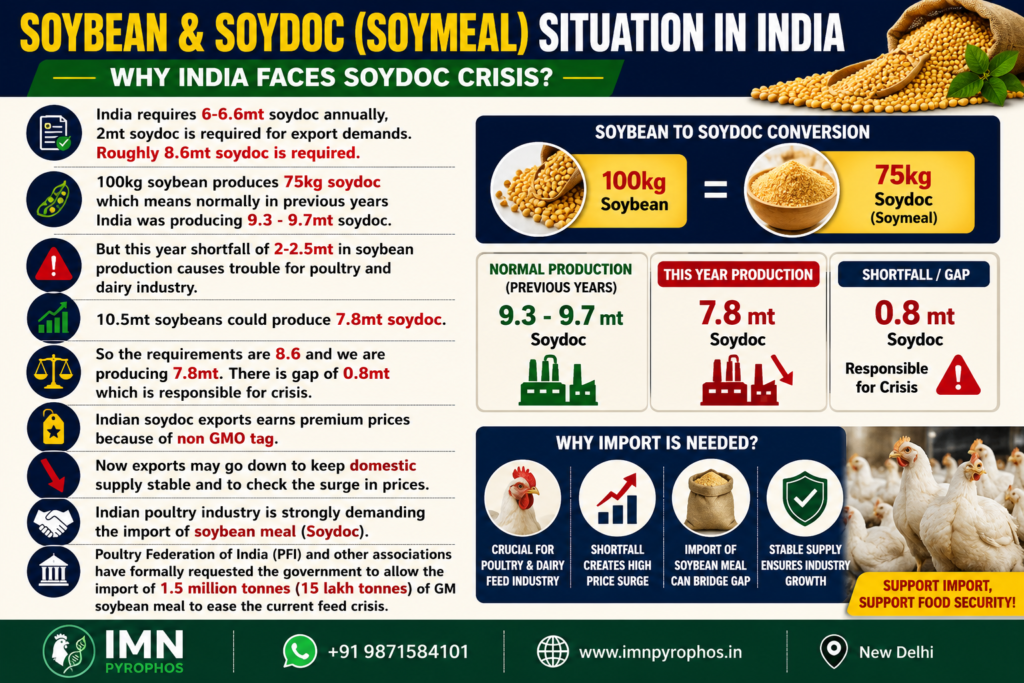
India requires nearly 6–6.6 million tonnes soybean meal annually for domestic feed demand, while another 2 million tonnes soybean meal is required for export demand. This takes total soybean meal requirement close to 8.5–8.6 million tonnes annually.
Normally, every 100 kg soybean produces around 75 kg soybean meal. During previous years, soybean production of 12.5–13 million tonnes allowed India to produce nearly 9.3–9.7 million tonnes soybean meal.
But with current soybean production estimates near 10.5 million tonnes, soybean meal production may decline close to 7.8 million tonnes. This creates a supply gap of nearly 0.8 million tonnes, which is one of the biggest reasons behind the current soydoc crisis.
Why Soybean Meal Remains Critical for Poultry and Dairy Feed
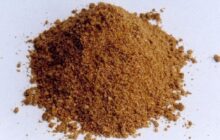
Soybean meal remains the most important protein source for livestock feed in India. Its importance is not limited only to crude protein percentage. Better amino acid profile, high digestibility, stable quality and predictable formulation value make soybean meal difficult to replace completely in poultry and dairy feed.
This is why feed manufacturers are finding it difficult to reduce soybean meal dependency despite rising prices.
Rising Dependence on Alternative Protein Ingredients
Many feed manufacturers have already started increasing the use of alternative protein ingredients such as DDGS, DORB, rapeseed meal and guar meal in order to reduce soybean meal inclusion levels.
However, these ingredients cannot fully replace soybean meal nutritionally. At the same time, rising soybean meal prices have increased demand for these alternatives as well, resulting in higher prices across the entire protein feed market.
As a result, feed manufacturers are now being forced toward aggressive ration reformulation and tighter least-cost feed formulations.
Increasing Pressure on Poultry and Dairy Feed Economics
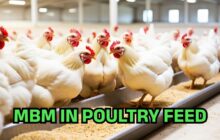
The poultry industry is currently facing much greater pressure because feed contributes nearly 65–70% of broiler production cost. Even small increases in feed prices immediately impact poultry economics and profitability.
Dairy systems generally respond more slowly because milk production does not collapse immediately, but prolonged high feed costs eventually affect milk prices, feeding practices and profitability there as well.
If soybean meal prices remain elevated for a longer period, pressure across poultry, dairy and livestock feed economics is likely to increase further.
India’s Non-GM Soybean Meal Advantage
One important aspect of the current soybean meal crisis is India’s non-GM soybean advantage. Indian soybean meal earns premium prices in international markets because of its non-GM status.
This has become one of the major reasons why soybean processors are strongly opposing large-scale imports of GM soybean meal.
Poultry Industry Demand for GM Soybean Meal Imports
The Poultry Federation of India (PFI) and several other poultry industry associations have formally requested the government to allow imports of nearly 1.5 million tonnes GM soybean meal to reduce feed costs and stabilize the market.
Globally, soybean meal prices are currently softer because of strong soybean production in Brazil and Argentina, making imported GM soybean meal significantly cheaper compared to current Indian domestic prices of nearly ₹68–72 per kg.
Industry experts believe imports of around 8–12 lakh tonnes soybean meal may be sufficient to bring prices closer to the earlier range of ₹50–55 per kg in the short term.
Why SOPA is Opposing Soybean Meal Imports
SOPA and soybean processors are strongly opposing imports because they fear cheap imported soybean meal may reduce domestic soybean and soybean meal prices, negatively affecting crushers and soybean farmers.
Another major concern is that India’s non-GM soybean meal currently enjoys premium positioning in export markets, and allowing large-scale GM imports could weaken this advantage.
Challenges in Allowing GM Soybean Meal Imports
India currently follows a strict non-GM policy for soybean cultivation, and domestic cultivation of GM soybean is not permitted. Large-scale imports of GM soybean meal are also heavily restricted.
There are also concerns regarding digestibility variation, amino acid consistency, aflatoxin risk and pesticide residues in imported soybean meal compared to Indian non-GM soybean meal.
The government is therefore trying to balance poultry industry pressure, farmer interests, domestic crusher concerns and food inflation risks simultaneously.
Impact of Rising Soydoc Prices on Food Inflation
If feed costs continue rising, broiler chicken prices may increase further, egg prices may remain under pressure and dairy feed costs may also continue rising.
This may eventually contribute to higher protein food inflation and increase pressure on overall Consumer Price Index (CPI) numbers.
Because poultry and dairy are major protein sources in India, prolonged feed inflation can directly impact consumer food prices.
Lessons from India’s 2021–22 Soybean Meal Crisis
India had faced a similar situation during 2021–22 when the government allowed imports of nearly 1.2 million tonnes GM soybean meal.
Following imports, domestic soybean meal prices softened within a few weeks and poultry feed costs stabilized considerably. The poultry industry received major relief during that period, although domestic soybean prices also came under temporary pressure.
This previous experience is now shaping expectations in the current market as well.
Expected Timeline if Imports Are Approved
If imports are eventually approved, first consignments may start arriving within 30–45 days after tendering, shipping and port clearance procedures begin.
Complete import volumes of 8–12 lakh tonnes may take nearly 3–5 months to enter the Indian market fully.
However, market sentiment may soften even before physical cargo arrival if traders anticipate additional supply entering the market.
Current Government Position on Soybean Meal Imports
As of May 2026, the Government of India has not yet approved large-scale GM soybean meal imports.
The government is currently trying to balance farmer interests, domestic crushing industry concerns, poultry sector pressure and food inflation risks before taking a final decision.
Feed Industry Response Through Ration Reformulation
Until policy clarity emerges, feed manufacturers are expected to continue ration reformulation and increased use of alternative protein ingredients in order to manage rising feed costs.
Many feed mills are already operating with tighter formulations and higher dependence on alternative proteins due to the current soybean meal shortage.
Conclusion: What Lies Ahead for Poultry, Dairy and Feed Industry
India’s current soybean meal crisis is primarily being driven by lower domestic soybean production during 2025–26 combined with tight supply and strong feed demand.
The poultry industry is strongly demanding imports to reduce feed costs, while soybean processors and farmer groups are opposing imports to protect domestic soybean prices and India’s non-GM export advantage.
Unless soybean meal availability improves significantly in the coming months, pressure on poultry, dairy and livestock feed economics is likely to continue.
For poultry and dairy feeding related advice whatsapp or call 9871584101