
Poultry Vaccination and Disease Protection
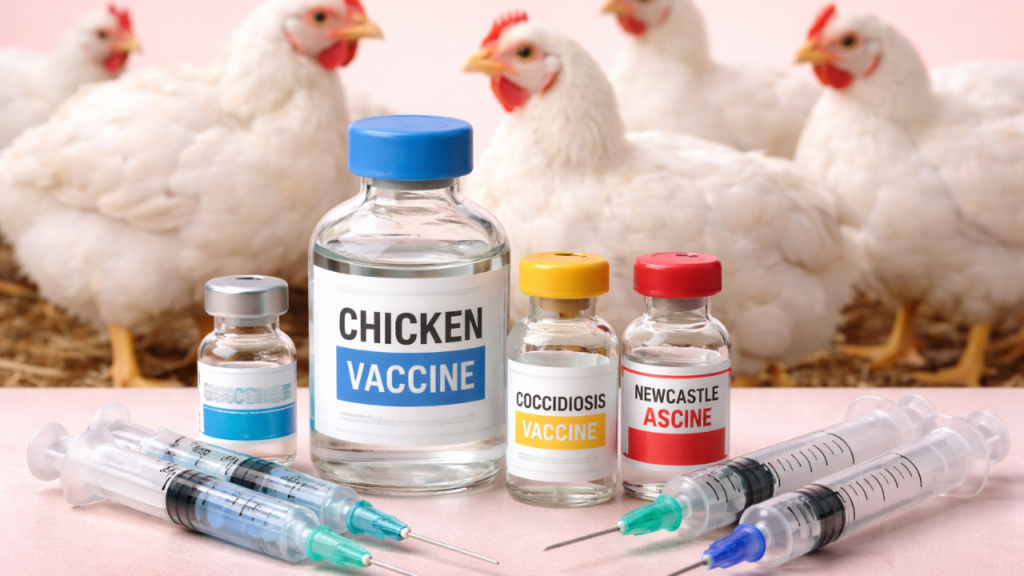
In Indian poultry farms, disease outbreaks often occur due to poor hygiene, improper vaccination timing, contaminated water, overcrowding, and weak immunity caused by nutritional deficiencies. A well-structured vaccination schedule ensures that birds develop strong resistance at the right age before they are exposed to disease-causing organisms. Vaccination should always begin at the hatchery stage or within the first few days of chick arrival and must strictly follow age-specific protocols. Maintaining cold-chain storage of vaccines during transportation and on-farm storage is equally important, as improper temperature can reduce vaccine effectiveness and lead to vaccination failure. Disease protection in poultry farming does not depend on vaccination alone. It requires a complete biosecurity system that includes strict control of visitors, mandatory disinfection of footwear and equipment, separate entry and exit pathways, proper litter management, and safe disposal of dead birds. Indian poultry farms located near villages, markets, or water bodies face higher disease risks, making biosecurity protocols even more essential. Regular sanitation of sheds, drinkers, feeders, and vehicles significantly reduces the spread of pathogenic organisms.
Seasonal disease patterns also strongly affect Indian poultry farms. During monsoon, coccidiosis, respiratory infections, and bacterial outbreaks increase due to moisture and unhygienic litter conditions. In winter, respiratory diseases such as CRD, IB, and AIR SAC infections become common due to poor ventilation and cold stress. During summer, heat stress weakens bird immunity, increasing susceptibility to viral infections. Therefore, vaccination programs and disease prevention strategies must always be customized according to seasonal risk factors and local environmental conditions.
Early detection plays a vital role in disease control. Symptoms such as reduced feed intake, sudden mortality, watery droppings, respiratory distress, drop in egg production, or abnormal behavior should never be ignored. Immediate isolation of sick birds and consultation with a qualified poultry veterinarian can prevent massive losses. Self-medication without proper diagnosis often worsens disease resistance and increases financial loss.
In Indian commercial poultry farming, antibiotic misuse has become a serious concern, leading to drug resistance and reduced treatment effectiveness. Modern disease management now focuses more on preventive healthcare, probiotics, immune boosters, herbal supplements, and stress management techniques rather than excessive antibiotic use. Clean drinking water, balanced feed nutrition, proper ventilation, and stress-free handling significantly strengthen bird immunity and reduce disease incidence. At Ali Veterinary Wisdom, we design region-specific poultry vaccination and disease protection programs based on flock size, breed type, seasonal threats, and local disease history. Our scientifically planned strategies help poultry farmers achieve lower mortality, better feed conversion ratio (FCR), improved growth rate, higher egg production, and long-term farm sustainability. A disease-free flock is not only healthier but also far more profitable in the competitive Indian poultry market. We provides insightful guidance which helps in taking decisions in the times of crisis. Fo new batches we give full medicine schedule and management tips.
Season-Wise Poultry Disease Risk Chart (Indian Climate Based)
India’s diverse climate plays a major role in the occurrence and spread of poultry diseases. Temperature, humidity, rainfall, and ventilation conditions change significantly across seasons, and these changes directly affect bird immunity, feed intake, growth rate, and susceptibility to infections. For this reason, successful poultry farming in India depends heavily on season-wise disease prevention planning rather than a single routine management system throughout the year.
Understanding seasonal disease trends allows farmers to prepare in advance, reduce mortality, and maintain stable production even during high-risk periods.
Monsoon Season (July to September): Peak Period for Infectious Diseases
The monsoon season in India brings very high humidity and frequent wet litter conditions. This environment strongly favors bacterial, protozoal, and water-borne infections. Poor drainage, contaminated drinking water, and rapid multiplication of disease-causing organisms become major challenges during this period.
During monsoon, poultry farms commonly face outbreaks of coccidiosis, E. coli infection, fowl cholera, Newcastle disease (Ranikhet), and chronic respiratory disease. Wet litter damages intestinal health, weakens immunity, and increases ammonia production, which further stresses the birds.
To control disease during the monsoon, farmers must maintain perfectly dry litter, ensure uninterrupted supply of clean and sanitized drinking water, and follow a strict disinfection schedule. Preventive anti-coccidial programs, proper vaccination timing, and strong biosecurity protocols are absolutely essential in this season to prevent heavy losses.
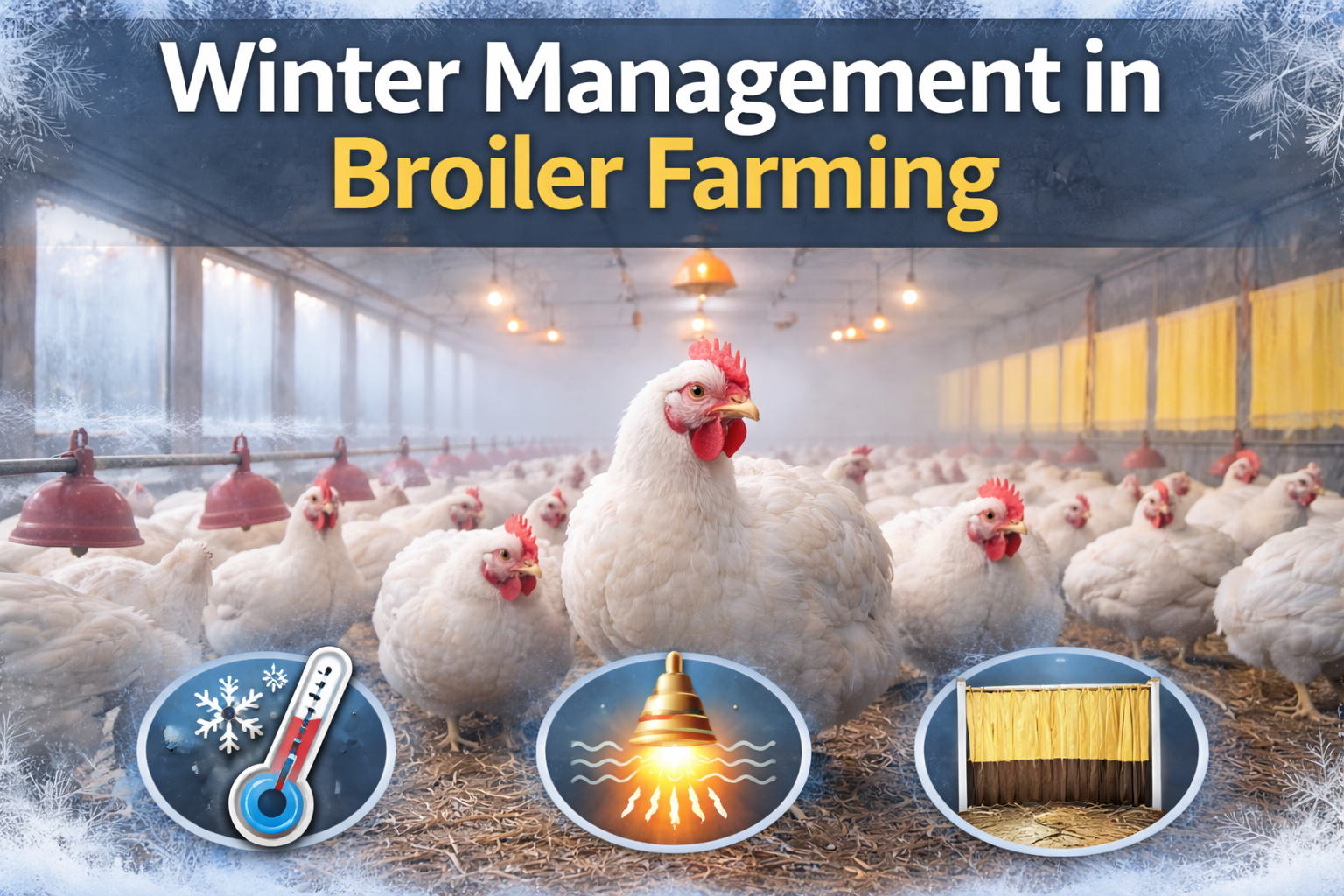
Winter Season (November to February): High Risk of Respiratory Disorders
In winter, poultry sheds are often kept closed to protect birds from cold air. While this helps in temperature control, it reduces ventilation and causes ammonia gas levels to rise rapidly. Cold stress, overcrowding, and poor oxygen circulation weaken the respiratory system of birds and create ideal conditions for airborne infections.
During this season, diseases such as chronic respiratory disease (CRD), infectious bronchitis, air sac infection, Mycoplasma infection, and the respiratory form of Newcastle disease are most commonly reported across Indian poultry farms.
Effective winter disease control depends on maintaining proper air circulation without exposing birds to direct cold wind. Ammonia levels must be strictly controlled by using Ammobond in closed farms, brooding temperatures should be accurately maintained, and Easy Brood and Nexamune should be used regularly in early days. Winter booster vaccinations of ND, LPAI and IB play a critical role in preventing respiratory outbreaks and maintaining steady growth performance.
Summer Season (March to June): Heat Stress and Immunity Suppression
The Indian summer creates extreme heat stress conditions for poultry birds. High temperatures reduce feed intake, disturb electrolyte balance, increase water consumption, and significantly suppress the immune system. As a result, birds become highly vulnerable to viral infections, dehydration-related complications, and sudden mortality.
During summer, heat stress, Newcastle disease, salmonellosis, dehydration-related weakness, and secondary bacterial infections are frequently observed. Reduced feed intake also leads to slower weight gain in broilers and sharp drops in egg production in layers.
Summer disease prevention focuses on efficient cooling and hydration management. Continuous availability of clean, cool drinking water is mandatory. Coolant and Nexamune must be given daily to protect birds from heat stress. Proper shed density, foggers or cooling systems, and avoidance of heavy feeding during peak afternoon heat help greatly in reducing summer mortality and maintaining performance.
Transition Seasons (October and March): High Risk Due to Sudden Weather Change
The transition months between seasons create unpredictable environmental stress on poultry birds. Sudden changes in temperature and humidity disturb the immune balance and often trigger mixed viral and bacterial infections. Production drops, respiratory symptoms, and uneven growth are commonly seen during these periods.
During transition seasons, poultry farms often experience combined infections such as respiratory-digestive co-infections, stress-related immune suppression, and production instability. These months demand extra attention to nutrition, stress management, and hygiene.
Farmers should use immune boosters like Nexamune and liver tonics like Hepasol, avoid sudden feed changes, and strictly maintain biosecurity during seasonal transitions. Even minor negligence at this stage can lead to major outbreaks in the following peak season.
Importance of Season-Wise Disease Management in Indian Poultry Farming
In India, poultry diseases do not follow a uniform pattern throughout the year. Each season brings its unique challenges and risk factors. Farmers who plan vaccination schedules, nutrition programs, ventilation systems, and hygiene protocols according to seasonal demands are able to reduce disease losses by 30–40% annually.
Season-wise disease planning not only prevents sudden outbreaks but also stabilizes production, improves feed conversion ratio, reduces medicine costs, and increases overall farm profitability. This scientific approach transforms poultry farming from a risky activity into a predictable and sustainable business.
At Ali Veterinary Wisdom, we design region-specific and season-based vaccination schedules, disease control strategies, nutrition programs, and biosecurity models customized for Indian poultry farms. Our goal is to help farmers achieve maximum production with minimum disease risk throughout the year.
Get Personalized Poultry Health Management Advice
-
If your farm is facing repeated disease outbreaks, vaccine failure, or unexplained mortality, our veterinary team can evaluate your farm conditions and provide a customized disease prevention plan.
Get expert guidance directly from our veterinary team.
WhatsApp / Call: +91-9871584101
Email: ibnester@gmail.com