
Livestock Health Management: Practical Disease Prevention & Control Guide for Poultry, Dairy, Goat & Sheep Farms
INTRODUCTION
Livestock health management is one of the most critical factors deciding the success or failure of poultry, dairy, goat, and sheep farming in India. Most farmers face losses not because of lack of animals, but due to poor disease prevention, delayed diagnosis, improper medicine use, and weak farm management practices. In Indian farming conditions, mixed farming systems, variable climate, and limited veterinary access make livestock health management even more challenging.
Effective livestock health management focuses on prevention rather than treatment. Scientific feeding, vaccination, biosecurity, hygiene, and early disease detection help reduce mortality, improve productivity, and control unnecessary expenses on medicines. Whether it is broiler mortality, drop in milk production, goat kid losses, or repeated disease outbreaks, most problems are linked to gaps in basic health management practices.
This guide explains practical livestock health management strategies suitable for Indian farms. It covers disease prevention, vaccination planning, medicine use, biosecurity protocols, and emergency outbreak management across poultry, dairy animals, goats, and sheep.
Understanding Livestock Health Challenges in Indian Farming
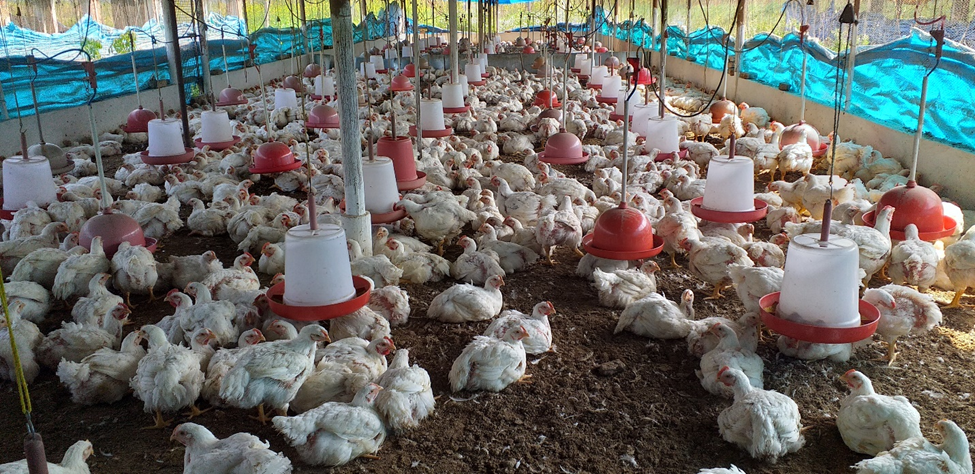
Indian livestock farms commonly deal with high disease pressure due to dense animal populations, warm climate, poor ventilation, and limited biosecurity. Poultry farms face viral diseases like Newcastle disease, IBD, IB, and bacterial infections such as E. coli. Dairy farms commonly struggle with mastitis, metabolic disorders, reproductive issues, and parasitic infestations. Goat and sheep farms face high kid mortality due to enterotoxemia, pneumonia, PPR, and parasitic load.
Another major challenge is blind use of antibiotics without diagnosis. This increases treatment costs, drug resistance, and long-term productivity losses. Poor record keeping, lack of SOPs, and irregular vaccination further weaken farm health systems.
A structured livestock health management plan helps farmers reduce these risks and maintain consistent production.
Preventive Health Care: The Foundation of Livestock Health Management
Preventive health care is the most cost-effective approach to livestock health management. It includes vaccination programs, regular deworming, mineral supplementation, and routine health monitoring. Preventive practices help reduce disease outbreaks rather than reacting after losses occur.
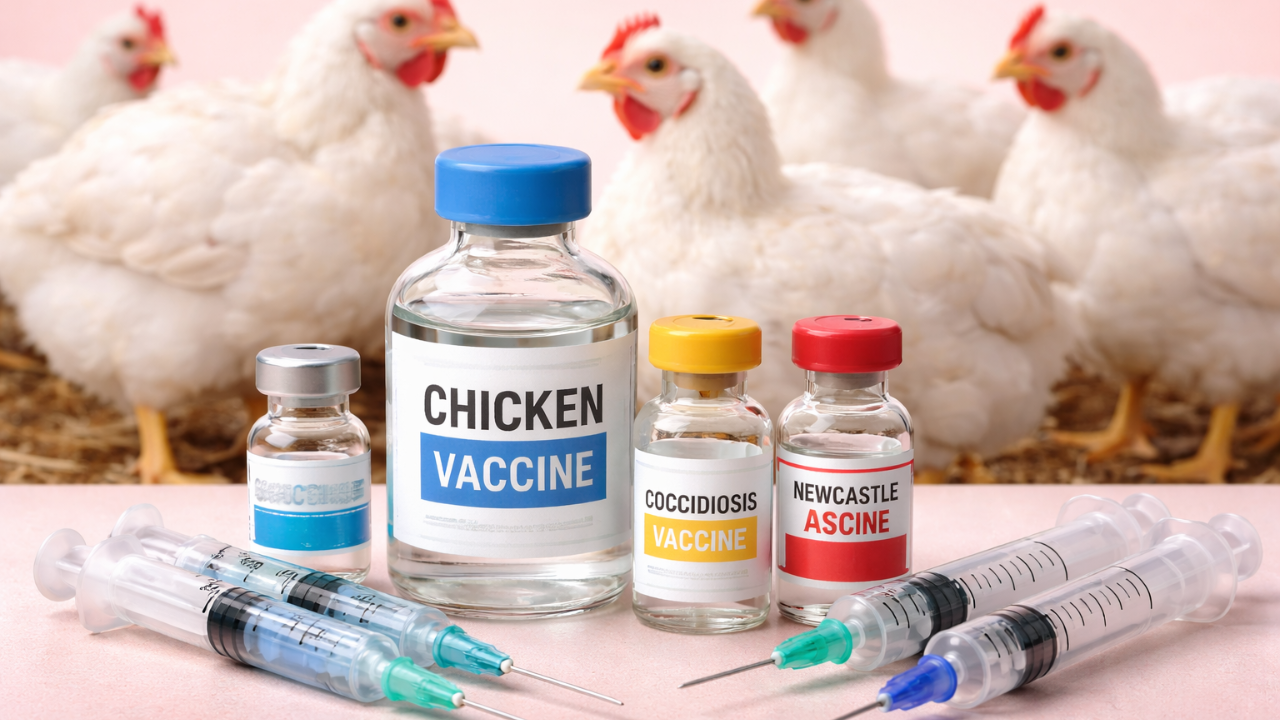
Vaccination schedules must be species-specific and farm-condition based. Poultry farms require strict vaccination timing, while dairy and goat farms need seasonal vaccination planning. Deworming schedules should be based on local parasite load and grazing practices.
Preventive health care also includes proper nutrition, stress reduction, and maintaining animal immunity through balanced feeding and mineral supplementation.
Role of Nutrition in Livestock Health
Nutrition plays a direct role in disease resistance and recovery. Nutritional deficiencies weaken immunity and increase susceptibility to infections. Poultry with poor feed quality show higher mortality and poor FCR. Dairy animals with imbalanced rations suffer from metabolic disorders, reproductive failure, and low milk yield. Goats and sheep fed low-protein diets show slow growth and high kid mortality.
Balanced feed formulation, proper mineral mixture use, and clean water availability are essential for livestock health management. Nutrition must be adjusted according to age, production stage, and environmental stress.
Poor nutrition cannot be corrected by medicines alone.
Biosecurity & SOPs for Disease Prevention
Biosecurity is often ignored on Indian farms but plays a major role in disease control. Simple practices like restricted entry, footbaths, equipment sanitation, visitor control, and proper disposal of dead animals can drastically reduce disease introduction.
Standard Operating Procedures (SOPs) help farmers maintain consistency in daily operations. SOPs include cleaning schedules, vaccination protocols, feeding routines, and emergency response plans. Farms following SOPs experience lower disease incidence and better productivity.
Biosecurity and SOPs act as insurance against major disease outbreaks.
Rational Use of Veterinary Medicines
Improper and excessive use of antibiotics is a growing concern in livestock farming. Blind medicine use leads to drug resistance, residue problems, and economic losses. Medicines should be used only after understanding symptoms, disease patterns, and farm history.
Correct dosage, duration, and withdrawal periods must be followed strictly. Supportive therapy, nutrition correction, and management improvements should accompany medication.
Rational medicine use improves long-term farm sustainability.
Emergency & Outbreak Management
Despite preventive measures, emergencies may occur. Sudden mortality in poultry, milk production drop in dairy, or rapid disease spread in goats requires immediate action. Isolation, stopping movement, basic supportive care, and veterinary consultation are crucial in the first 24–48 hours.
Farmers should have an emergency response plan ready before outbreaks occur.
Emergency & Outbreak Management
Despite preventive measures, emergencies may occur. Sudden mortality in poultry, milk production drop in dairy, or rapid disease spread in goats requires immediate action. Isolation, stopping movement, basic supportive care, and veterinary consultation are crucial in the first 24–48 hours.
Farmers should have an emergency response plan ready before outbreaks occur.
CONCLUSION
Livestock health management is a continuous process that combines prevention, nutrition, biosecurity, rational medicine use, and timely response to emergencies. Indian farmers who focus on structured health management reduce losses, improve productivity, and build sustainable farming systems. Long-term success depends on planning, discipline, and scientific decision-making rather than emergency treatments.