Poultry Farm Setup

Poultry Farm Setup

Poultry Farm Setup Guide—Step-by-Step Complete Process

Poultry Farm Setup—Step-by-Step Complete Guide for Beginners & Commercial Farmers

Starting a poultry farm is a profitable business when the farm is designed scientifically. Proper land selection, shed design, ventilation, temperature management, biosecurity, and hygiene directly affect bird health, growth rate, feed conversion ratio (FCR), and overall profit. This guide is created to help beginners, medium farmers, and commercial investors build a successful poultry farm with minimum risk and maximum productivity.

1. Types of Poultry Farm Setup

Small-Scale Poultry Farm
(100–500 Birds)

Ideal for beginners who want to start poultry farming with low investment.
This setup is easy to manage and suitable for backyard or small land areas.
It is perfect for learning basic poultry management, feeding, and disease control with minimal risk.

Medium-Scale Poultry Farm
(1000–5000 Birds)

Best for farmers who have some basic experience and want to earn stable monthly income. This scale requires moderate investment, better housing systems, and proper vaccination planning.
It offers good profit potential with controlled management.

Commercial Poultry Farm (10,000+ Birds)

Designed for large investors and professional farmers. This setup uses automated feeding, watering, ventilation, and waste management systems.
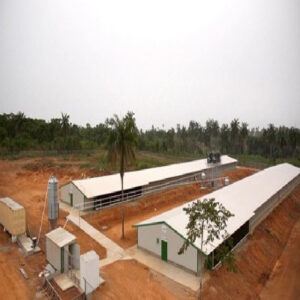
It delivers maximum production, higher efficiency, and long-term profitable returns. Here guidance for EC farms will be given.

2. Land & Location Selection for Poultry Farm

Choosing the right location is the foundation of a successful poultry business.

  • Land should be slightly elevated with proper drainage

  • Away from residential colonies

  • Easy access to road, feed suppliers, chicks & market

  • Continuous clean water supply

  • Reliable electricity & power backup

  • Low risk of flooding and pollution

  • Should have NOC from local authorities

Poor location increases disease outbreaks, mortality, and production loss.

Land & Location Selection for Poultry Farm

3. Poultry Shed Design & Layout

A scientifically designed shed improves bird health and reduces operational losses.

Shed Direction

  • Prefer East–West direction to reduce heat stress

Shed Type

  • Open system shed

  • Semi-controlled shed

  • Environment-controlled shed (commercial farms)

Space Requirement

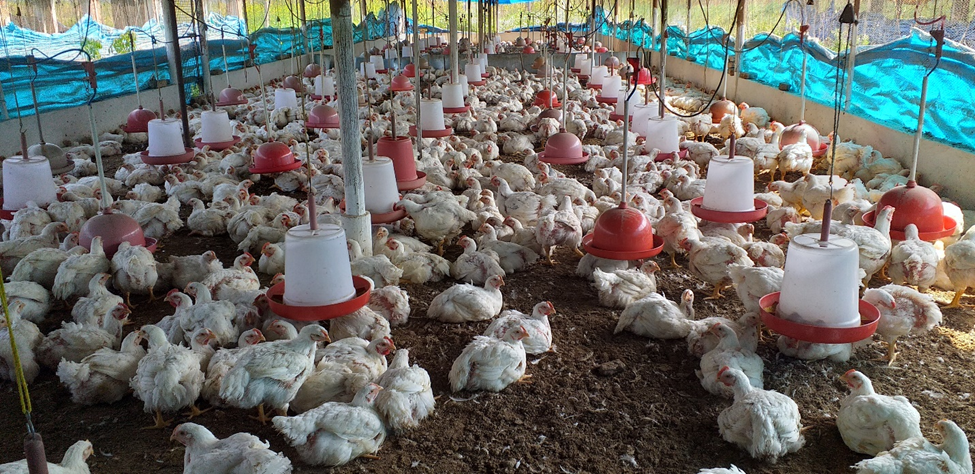
  • Broiler: 1 sq. ft per bird

  • Layer: 1.5–2 sq. ft per bird (in cages less space is required)

  • Free range: 4-5 sq. ft per bird

Flooring & Litter

  • A cement floor is best

  • Use rice husk, wood shavings, or sawdust as litter

  • Litter must remain dry and loose at all times

Poultry Shed Design & Layout

4. Ventilation and Temperature Control

Good ventilation removes harmful gases and maintains oxygen supply.

Ventilation Types:

  • Natural airflow (open sheds)

  • Exhaust fan system

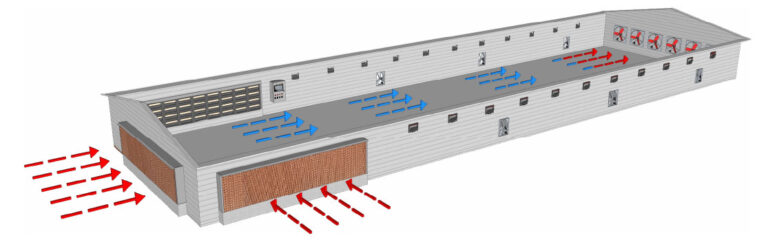
  • Tunnel ventilation (large commercial farms)

Chick Brooding Temperature:

  • Day 1: 32–34°C

  • Week 1: 30–32°C

  • Week 2: 28–30°C

  • Week 3: 26–28°C

  • Week 4 onward: 24–26°C

Correct temperature ensures:

  • Lower chick mortality

  • Higher feed intake

  • Faster weight gain

5. Lighting and Power Backup

Water is the most important nutrient for poultry birds.

  • Always provide clean and cool water

  • Use automatic nipple drinkers for hygiene

  • Cover water tanks properly

  • Ideal water pH: 6.5–7.5

  • Regularly clean pipelines and tanks

Poor water quality causes:

  • Slow growth

  • Digestive problems

  • Increased mortality

6. Water Supply & Drinking System

Water is the most important nutrient for poultry birds.

  • Always provide clean and cool water

  • Use automatic nipple drinkers for hygiene

  • Cover water tanks properly

  • Ideal water pH: 6.5–7.5

  • Regularly clean pipelines and tanks

Poor water quality causes:

  • Slow growth

  • Digestive problems

  • Increased mortality

commercial poultry farming

7. Biosecurity & Farm Hygiene

Biosecurity prevents deadly poultry diseases.

  • Footbath with disinfectant at entry gate

  • Visitor restriction

  • Separate footwear for farm

  • Regular fogging & disinfection

  • Dead bird disposal by deep burial or incineration

  • Vehicle & equipment disinfection

Strong biosecurity can reduce disease risk by more than 70%.

8. Common Mistakes in Poultry Farm Setup

Avoid these mistakes to protect your investment:

  • Overcrowding birds

  • Poor ventilation

  • Wet litter condition

  • No temperature monitoring

  • No vaccination plan

  • Irregular water cleaning

  • No power backup

Most poultry losses occur due to management errors, not disease alone.

9. Expert Guidance from Ali Veterinary Wisdom

At Ali Veterinary Wisdom, we provide complete expert veterinary support and technical guidance for poultry farmers at every stage of their journey—from farm planning to successful production and marketing. Our mission is to help farmers achieve maximum profit with minimum risk through scientific poultry management practices.

Our expert services include:

Poultry Farm Planning & Scientific Layout

We design poultry farm layouts based on bird capacity, climate conditions, ventilation, and biosecurity zoning to ensure healthy growth and efficient management.

Accurate Investment & Cost Estimation

We provide a detailed cost analysis for small, medium, and commercial poultry farms, including:

  • Shed construction cost

  • Chick cost

  • Feed & medicine expenses

  • Electricity, labor & maintenance

This helps farmers calculate exact capital requirements and expected returns before starting.

Advanced Disease Prevention Strategy

Our experts create a custom disease prevention plan based on farm size, region, and season to reduce:

  • Mortality rate

  • Medicine cost

  • Production loss

Complete Vaccination Planning

We prepare a scientific vaccination schedule according to:

  • Bird age

  • Breed type

  • Seasonal disease risk

This ensures strong immunity and consistent productivity.

Biosecurity & Hygiene Protocols

We implement international-standard biosecurity measures, including:

  • Entry control systems

  • Disinfection protocols

  • Visitor & vehicle management

  • Litter and waste disposal systems

This significantly reduces the risk of viral and bacterial outbreaks.

With Ali Veterinary Wisdom, farmers don’t just get information — they receive practical, field-tested solutions that improve flock health, reduce losses, and increase long-term profitability.

Expert Guidance from Ali Veterinary Wisdom

10. Get Personalized Poultry Farm Setup Support

If you are planning to:

  • Start a new poultry farm, or

  • Upgrade your existing farm,

Get expert guidance directly from our veterinary team.

WhatsApp / Call: +91-9871584101
Email: ibnester@gmail.com

Scroll to Top