

US corn, soybean and wheat futures slid to fresh lows on Tuesday, 3 November 2026, as harvest selling and technical selling pushed prices down. December corn fell to a four-month low and January soybeans and December soybean meal to 2.5-month lows. Cheaper world grain and meal does not automatically cut feed prices in India, but it shapes the mood of the market and the import-parity price that feed buyers watch.
Key facts
| Item | Detail (3 Nov 2026, Chicago futures) |
|---|---|
| December corn | $4.42 1/2 per bushel, down 5 3/4 cents, a four-month low |
| January soybeans | $12.14, down 2 3/4 cents, a 2.5-month low |
| December soybean meal | $318.00 per short ton, down $1.60, a 2.5-month low |
| December HRW wheat | $6.36 1/4, down 9 3/4 cents, a four-month low |
| December SRW wheat | $5.99 3/4, down 6 3/4 cents |
| Brazil 2026/27 soybean forecast | Record 181.6 million tonnes (Conab) |
| China bookings of Brazil soybeans | 9.04 million tonnes for 2026/27 |
Prices are as reported intraday by Pro Farmer on 3 November, so closing settlements may differ slightly. We could not open the original shared headline link, so we confirmed the same market move from Pro Farmer and Rio Times.
Why prices are falling
Pro Farmer names technical selling, spillover from losses in soybeans and wheat, and commercial hedge selling as the US harvest enters its final stages. Wheat also faced chart-based selling by speculators. Rio Times adds the supply picture: the US corn and soybean harvest is nearly finished, Brazil is expected to grow a record soybean crop, and Chinese buyers have already booked 9.04 million tonnes of Brazilian beans while US purchases are held back by large stocks and thin crushing margins. Funds tracking corn, soybeans and wheat are down about 10.9%, 7.1% and 14.0% over 20 sessions respectively, which shows how steady the slide has been. These are fund prices, not grain prices, so read them as a trend signal only.
What it means for Indian poultry and dairy farmers
Maize and soybean meal together make up the bulk of a typical broiler or layer ration, and soy cake or meal is also a key protein source in dairy concentrate. So any fall in world prices is worth watching. But India sets its own price for these inputs. Local maize depends on our harvest, ethanol demand and mandi arrivals, and soybean meal depends on the domestic crush and crop size. India also restricts imports of genetically modified grain and meal, so Chicago does not pass straight through to a feed mill in India.
What the fall can do is reduce upward pressure. If world meal stays cheap, domestic soybean meal has less room to rise, and export demand for Indian meal can weaken when our prices are uncompetitive. This is our reading of the market, not a forecast. A farmer should not assume a cheaper ration next month. The safer view is: the risk of a sharp rise has eased a little, but local mandi rates still decide your cost.
What farmers should do now
- Do not delay feed purchase on hope alone. Compare local maize and soybean meal rates every week and buy in steps, not all at once.
- Ask your feed supplier or mill how much stock they hold and at what rate, and whether their price formula follows local mandi or import parity.
- Calculate cost per kg of live weight or per dozen eggs from your actual feed bill, so you can see whether a price fall reaches you.
- Weigh feed and cut wastage. Spillage and wet feed lose more money than a small price move gains.
- Dairy farmers: check the protein cake rate in your area before booking a month of concentrate.
- Store feed dry. Cheap grain stored badly gets mould and toxin problems that cost far more than the saving.
- Keep gut health steady in winter, since feed changes can upset digestion.
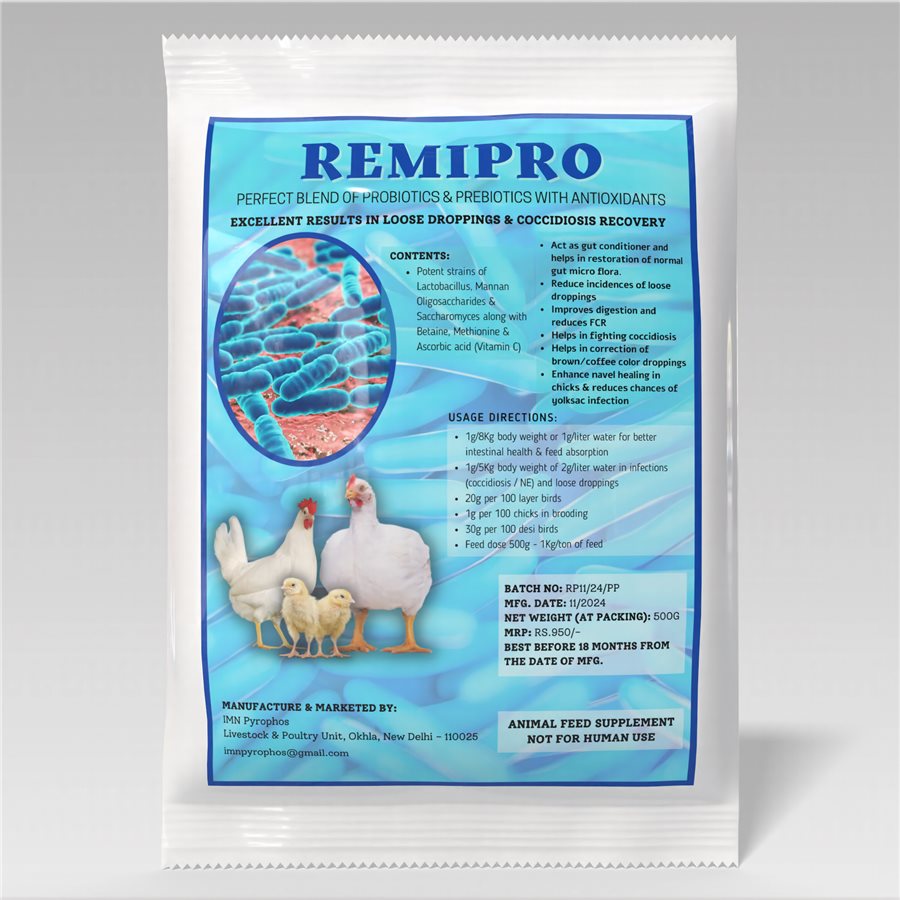
Gut health · bestseller
Remipro
Probiotics, prebiotics (MOS) and Saccharomyces with betaine, methionine and vitamin C. Restores normal gut flora, reduces loose droppings, improves digestion and FCR, helps in coccidiosis recovery and corrects brown/coffee coloured droppings.
Dose: 1 g per 8 kg body weight or 1 g per litre of water for routine gut health; 1 g per 5 kg body weight or 2 g per litre during loose droppings and infections; 1 g per 100 chicks in brooding.
500 g ₹626MRP ₹950
Frequently asked questions
Will poultry feed become cheaper in India after this fall?
Not automatically. Indian maize and soybean meal rates depend mainly on local crop, ethanol demand and mandi arrivals, so the pass-through from Chicago is partial at best.
Why did corn, soybeans and wheat fall together?
Pro Farmer cites technical selling, hedge selling during harvest and spillover between the three markets, while Rio Times points to large harvests and heavy Brazilian supply.
Is the price move final?
No. These are futures prices from one day and can change quickly with weather, demand and policy news.
Source: Pro Farmer, After the Bell, 3 Nov 2026, with supply details from Rio Times. Written by the IMN Pyrophos team in our own words.
मंगलवार, 3 नवंबर 2026 को अमेरिकी corn, soybean और wheat futures नए निचले स्तर पर आ गए, क्योंकि harvest की बिकवाली और technical selling ने दाम नीचे धकेले। December corn चार महीने के निचले स्तर पर गया, और January soybean व December soybean meal ढाई महीने के निचले स्तर पर। दुनिया में अनाज और meal सस्ता होने से भारत में feed अपने-आप सस्ता नहीं होता, पर इससे बाज़ार का मिज़ाज बदलता है और import-parity दाम पर असर पड़ता है, जिस पर feed खरीदार नज़र रखते हैं।
मुख्य तथ्य
| बात | विवरण (3 नवंबर 2026, Chicago futures) |
|---|---|
| December corn | $4.42 1/2 प्रति bushel, 5 3/4 cent नीचे, चार महीने का निचला स्तर |
| January soybean | $12.14, 2 3/4 cent नीचे, ढाई महीने का निचला स्तर |
| December soybean meal | $318.00 प्रति short ton, $1.60 नीचे, ढाई महीने का निचला स्तर |
| December HRW wheat | $6.36 1/4, 9 3/4 cent नीचे, चार महीने का निचला स्तर |
| December SRW wheat | $5.99 3/4, 6 3/4 cent नीचे |
| ब्राज़ील 2026/27 soybean अनुमान | रिकॉर्ड 181.6 मिलियन टन (Conab) |
| ब्राज़ीली soybean की चीनी बुकिंग | 2026/27 के लिए 9.04 मिलियन टन |
दाम Pro Farmer ने 3 नवंबर को दिन के दौरान रिपोर्ट किए हैं, इसलिए closing settlement थोड़ा अलग हो सकता है। शेयर किया गया मूल लिंक हम खोल नहीं पाए, इसलिए यही बाज़ार चाल हमने Pro Farmer और Rio Times से पक्की की।
दाम क्यों गिर रहे हैं
Pro Farmer के मुताबिक technical selling, soybean और wheat की गिरावट का असर, और अमेरिकी harvest के आख़िरी दौर में commercial hedge selling वजहें हैं। Wheat में speculators की chart आधारित बिकवाली भी रही। Rio Times सप्लाई की तस्वीर जोड़ता है: अमेरिका में corn और soybean की कटाई लगभग पूरी है, ब्राज़ील में रिकॉर्ड soybean फ़सल की उम्मीद है, और चीनी खरीदार 9.04 मिलियन टन ब्राज़ीली soybean पहले ही बुक कर चुके हैं, जबकि अमेरिकी खरीद बड़े stock और कमज़ोर crushing margin से रुकी है। Corn, soybean और wheat को ट्रैक करने वाले funds 20 सत्रों में करीब 10.9%, 7.1% और 14.0% नीचे हैं, यानी गिरावट लगातार रही है। ये fund के दाम हैं, अनाज के नहीं, इसलिए सिर्फ़ रुझान का संकेत मानें।
भारत के पोल्ट्री और डेयरी किसानों के लिए मतलब
ब्रॉयलर या लेयर की ration का बड़ा हिस्सा मक्का और soybean meal से बनता है, और डेयरी के concentrate में भी soy cake या meal मुख्य प्रोटीन स्रोत है। इसलिए दुनिया के दामों की गिरावट पर नज़र रखना ठीक है। पर भारत इन चीज़ों का दाम अपने यहाँ तय करता है। देसी मक्का हमारी फ़सल, ethanol की माँग और मंडी की आवक पर टिका है, और soybean meal घरेलू crush व फ़सल पर। भारत में genetically modified अनाज और meal के आयात पर रोक भी है, इसलिए Chicago का असर सीधे हमारे feed mill तक नहीं पहुँचता।
गिरावट इतना कर सकती है कि ऊपर का दबाव घटे। अगर दुनिया में meal सस्ता रहा तो देसी soybean meal के पास बढ़ने की गुंजाइश कम रहेगी, और हमारे दाम महँगे हुए तो भारतीय meal की निर्यात माँग भी कमज़ोर पड़ सकती है। यह हमारा आकलन है, पूर्वानुमान नहीं। किसान यह मानकर न चलें कि अगले महीने ration सस्ती होगी। सुरक्षित सोच यह है कि तेज़ उछाल का खतरा थोड़ा घटा है, पर आपकी लागत अब भी स्थानीय मंडी भाव तय करेंगे।
किसान अभी क्या करें
- सिर्फ़ उम्मीद पर feed खरीद न टालें। स्थानीय मक्का और soybean meal के भाव हर हफ़्ते मिलाएँ और एक साथ नहीं, किस्तों में खरीदें।
- अपने feed supplier या mill से पूछें कि stock कितना है, किस भाव पर है, और उनका दाम फ़ॉर्मूला स्थानीय मंडी पर चलता है या import parity पर।
- असली feed बिल से प्रति किलो live weight या प्रति दर्जन अंडे की लागत निकालें, ताकि दिखे कि दाम की गिरावट आप तक पहुँची या नहीं।
- Feed तौलकर दें और बर्बादी घटाएँ। गिरा या गीला दाना छोटे दाम-अंतर से ज़्यादा नुकसान करता है।
- डेयरी किसान: महीने भर का concentrate बुक करने से पहले अपने इलाके का खली का भाव देखें।
- Feed सूखा रखें। सस्ता अनाज खराब ढंग से रखा तो फफूँद और टॉक्सिन की दिक्कत बचत से कहीं महँगी पड़ती है।
- सर्दी में आँत की सेहत स्थिर रखें, क्योंकि feed बदलने से पाचन बिगड़ सकता है।
आँत की सेहत · बेस्टसेलर
Remipro
प्रोबायोटिक, प्रीबायोटिक (MOS) और Saccharomyces, साथ में बीटेन, मेथियोनीन और विटामिन C। आँत के अच्छे बैक्टीरिया लौटाता है, loose droppings घटाता है, पाचन और FCR सुधारता है, कॉक्सीडियोसिस से उबरने में मदद करता है और भूरी/कॉफी रंग की बीट ठीक करता है।
मात्रा: रोज़ की आँत सेहत के लिए 1 ग्राम प्रति 8 किलो वज़न या 1 ग्राम प्रति लीटर पानी; loose droppings और इन्फेक्शन में 1 ग्राम प्रति 5 किलो वज़न या 2 ग्राम प्रति लीटर; ब्रूडिंग में 1 ग्राम प्रति 100 चूज़े।
500 g ₹626MRP ₹950
अक्सर पूछे जाने वाले सवाल
क्या इस गिरावट के बाद भारत में पोल्ट्री feed सस्ता होगा?
अपने-आप नहीं। भारत में मक्का और soybean meal के भाव मुख्यतः देसी फ़सल, ethanol माँग और मंडी आवक पर निर्भर हैं, इसलिए Chicago का असर आंशिक ही पहुँचता है।
Corn, soybean और wheat एक साथ क्यों गिरे?
Pro Farmer technical selling, harvest के दौरान hedge selling और तीनों बाज़ारों के आपसी असर को वजह बताता है, जबकि Rio Times बड़ी फ़सल और ब्राज़ील की भारी सप्लाई की ओर इशारा करता है।
क्या यह दाम अंतिम है?
नहीं। ये एक दिन के futures दाम हैं और मौसम, माँग व नीति की खबरों से तेज़ी से बदल सकते हैं।
Source: Pro Farmer, After the Bell, 3 नवंबर 2026; सप्लाई का ब्योरा Rio Times से। IMN Pyrophos टीम ने अपने शब्दों में लिखा।
Mangalvar, 3 November 2026 ko American corn, soybean aur wheat futures naye nichle star par aa gaye, kyonki harvest ki bikwali aur technical selling ne daam neeche dhakele. December corn chaar mahine ke nichle star par gaya, aur January soybean va December soybean meal dhai mahine ke nichle star par. Duniya me anaaj aur meal sasta hone se Bharat me feed apne-aap sasta nahi hota, par isse bazaar ka mizaaj badalta hai aur import-parity daam par asar padta hai, jis par feed kharidaar nazar rakhte hain.
Mukhya tathya
| Baat | Vivaran (3 November 2026, Chicago futures) |
|---|---|
| December corn | $4.42 1/2 prati bushel, 5 3/4 cent neeche, chaar mahine ka nichla star |
| January soybean | $12.14, 2 3/4 cent neeche, dhai mahine ka nichla star |
| December soybean meal | $318.00 prati short ton, $1.60 neeche, dhai mahine ka nichla star |
| December HRW wheat | $6.36 1/4, 9 3/4 cent neeche, chaar mahine ka nichla star |
| December SRW wheat | $5.99 3/4, 6 3/4 cent neeche |
| Brazil 2026/27 soybean anumaan | Record 181.6 million ton (Conab) |
| Brazili soybean ki Chini booking | 2026/27 ke liye 9.04 million ton |
Daam Pro Farmer ne 3 November ko din ke dauran report kiye hain, isliye closing settlement thoda alag ho sakta hai. Share kiya gaya asli link hum khol nahi paaye, isliye yahi bazaar chaal humne Pro Farmer aur Rio Times se pakki ki.
Daam kyon gir rahe hain
Pro Farmer ke mutabik technical selling, soybean aur wheat ki giraavat ka asar, aur American harvest ke aakhri daur me commercial hedge selling wajah hain. Wheat me speculators ki chart aadharit bikwali bhi rahi. Rio Times supply ki tasveer jodta hai: America me corn aur soybean ki katai lagbhag poori hai, Brazil me record soybean fasal ki ummeed hai, aur Chini kharidaar 9.04 million ton Brazili soybean pehle hi book kar chuke hain, jabki American kharid bade stock aur kamzor crushing margin se ruki hai. Corn, soybean aur wheat ko track karne wale funds 20 satron me lagbhag 10.9%, 7.1% aur 14.0% neeche hain, yaani giraavat lagatar rahi hai. Ye fund ke daam hain, anaaj ke nahi, isliye sirf rujhan ka sanket maanein.
Bharat ke poultry aur dairy kisanon ke liye matlab
Broiler ya layer ki ration ka bada hissa makka aur soybean meal se banta hai, aur dairy ke concentrate me bhi soy cake ya meal mukhya protein srot hai. Isliye duniya ke daamon ki giraavat par nazar rakhna theek hai. Par Bharat in cheezon ka daam apne yahan tay karta hai. Desi makka hamari fasal, ethanol ki maang aur mandi ki aawak par tika hai, aur soybean meal gharelu crush va fasal par. Bharat me genetically modified anaaj aur meal ke aayat par rok bhi hai, isliye Chicago ka asar seedha hamare feed mill tak nahi pahunchta.
Giraavat itna kar sakti hai ki upar ka dabav ghate. Agar duniya me meal sasta raha to desi soybean meal ke paas badhne ki gunjaish kam rahegi, aur hamare daam mehnge hue to Bharatiya meal ki niryat maang bhi kamzor pad sakti hai. Yeh hamara aakalan hai, poorvanumaan nahi. Kisan yeh maankar na chalein ki agle mahine ration sasti hogi. Surakshit soch yeh hai ki tez uchhaal ka khatra thoda ghata hai, par aapki laagat ab bhi sthaniya mandi bhaav tay karenge.
Kisan abhi kya karein
- Sirf ummeed par feed kharid na taalein. Sthaniya makka aur soybean meal ke bhaav har hafte milayein aur ek saath nahi, kiston me kharidein.
- Apne feed supplier ya mill se poochhein ki stock kitna hai, kis bhaav par hai, aur unka daam formula sthaniya mandi par chalta hai ya import parity par.
- Asli feed bill se prati kilo live weight ya prati darjan ande ki laagat nikaalein, taaki dikhe ki daam ki giraavat aap tak pahunchi ya nahi.
- Feed taulkar dein aur barbaadi ghatayein. Gira ya geela daana chhote daam-antar se zyada nuksan karta hai.
- Dairy kisan: mahine bhar ka concentrate book karne se pehle apne ilaake ka khali ka bhaav dekhein.
- Feed sookha rakhein. Sasta anaaj kharab dhang se rakha to phaphoond aur toxin ki dikkat bachat se kahin mehngi padti hai.
- Sardi me aant ki sehat sthir rakhein, kyonki feed badalne se pachan bigad sakta hai.
Aant ki sehat · bestseller
Remipro
Probiotic, prebiotic (MOS) aur Saccharomyces, saath me betaine, methionine aur vitamin C. Aant ke achhe bacteria lautata hai, loose droppings ghatata hai, pachan aur FCR sudharta hai, coccidiosis se ubharne me madad karta hai aur bhoori/coffee rang ki beet theek karta hai.
Matra: Roz ki aant sehat ke liye 1 g prati 8 kg wazan ya 1 g prati litre paani; loose droppings aur infection me 1 g prati 5 kg wazan ya 2 g prati litre; brooding me 1 g prati 100 chooze.
500 g ₹626MRP ₹950
Aksar poochhe jaane wale sawal
Kya is giraavat ke baad Bharat me poultry feed sasta hoga?
Apne-aap nahi. Bharat me makka aur soybean meal ke bhaav mukhyatah desi fasal, ethanol maang aur mandi aawak par nirbhar hain, isliye Chicago ka asar aanshik hi pahunchta hai.
Corn, soybean aur wheat ek saath kyon gire?
Pro Farmer technical selling, harvest ke dauran hedge selling aur teeno bazaaron ke aapsi asar ko wajah batata hai, jabki Rio Times badi fasal aur Brazil ki bhaari supply ki or ishara karta hai.
Kya yeh daam antim hai?
Nahi. Ye ek din ke futures daam hain aur mausam, maang va neeti ki khabron se tezi se badal sakte hain.
Source: Pro Farmer, After the Bell, 3 November 2026; supply ka byora Rio Times se. IMN Pyrophos team ne apne shabdon me likha.